Recent underwater excavations in Abu Qir Bay, Egypt, have unearthed a colossal quartzite sphinx inscribed with the cartouche of Ramses II. This find, reported on August 26, 2025, has ignited renewed discussion among researchers and the public alike regarding the historical veracity of Moses and the biblical Exodus narrative. Officials suggest the submerged site may have been part of the ancient seaport of Canopus, a significant trade and religious hub during Egypt's Ptolemaic and Roman periods.
The discovery of the Ramses II sphinx offers a tangible link to a pharaoh potentially connected to the biblical Exodus, a narrative centered around Moses's leadership of the Israelites out of Egyptian bondage.
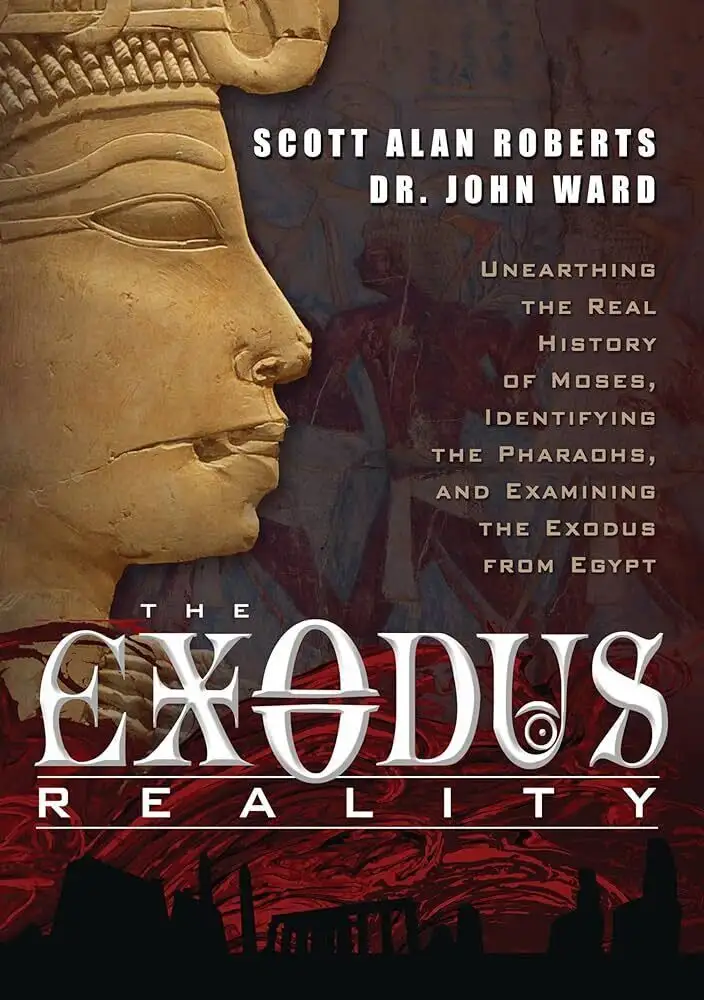
Echoes of Moses in Egyptian Sands
Further complicating the historical record, recent findings point to possible inscriptions referencing Moses himself. In July 2025, archaeologymag.com reported on a theory suggesting ancient Egyptian mine inscriptions might contain Moses's name. While this research, by Bar-Ron, has yet to undergo peer review, his academic advisor, Dr. Pieter van der Veen, reportedly supports the work. Bar-Ron’s hypothesis posits that these inscriptions, written in Proto-Sinaitic script, could represent religious and personal messages encoded by a single scribe familiar with hieroglyphs. This theory, if substantiated, would push the earliest textual references to Moses back by millennia.
Read More: St. Augustine's ideas on justice help explain US politics
Separately, a 3,000-year-old fortress unearthed in North Sinai, Egypt, has also drawn attention. Identified as lying directly on the ancient Horus Military Road, this route aligns with the path described in the Book of Exodus, which the Israelites are said to have avoided under Moses's guidance. This find, reported on October 27, 2025, is being presented by some as new evidence supporting the biblical account of Moses leading his people out of Egypt.
Read More: 5,900-Year-Old Child Skull Found in Norway Cave
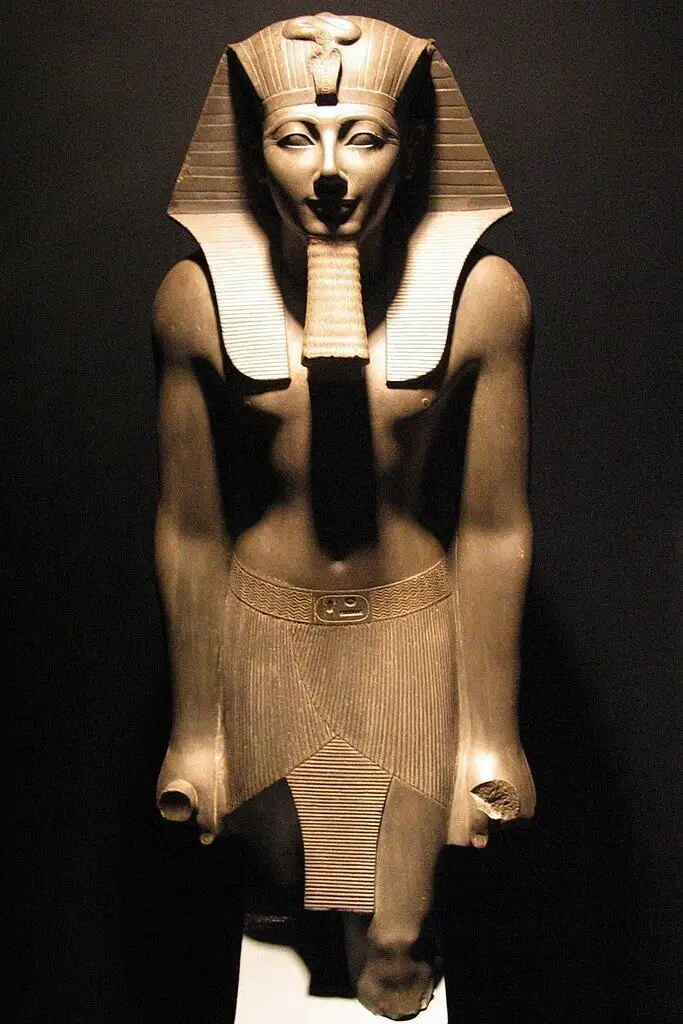
Figurines and Foundational Narratives
Beyond monumental discoveries, smaller finds and artistic interpretations continue to shape the discourse. A figurine from Egypt depicting a "semitic slave" offers a visual representation that some link to the enslaved Israelites. Meanwhile, artistic renderings like Nicolas Poussin's 17th-century paintings—The Finding of Moses, Moses Rescued from the Waters, and another The Finding of Moses— illustrate the enduring power of the biblical narrative, presenting Moses's rescue from the Nile as a pivotal moment in salvation history, even drawing parallels to Christ.
Chronological Puzzles and Potential Connections
The historical placement of Moses also remains a point of contention and scholarly exploration. Acts 7:23 suggests Moses fled Egypt at age 40, a timeline that places his birth within the 18th Dynasty. If adopted by Hatshepsut, he would have been educated in the royal harem of that era. Other research proposes Amenhotep II as the Pharaoh of the Exodus, noting that he was not his father's firstborn son, a detail that may hold significance for some interpretations of the biblical account.
Read More: The Plot Against America Miniseries Discussed in April 2026
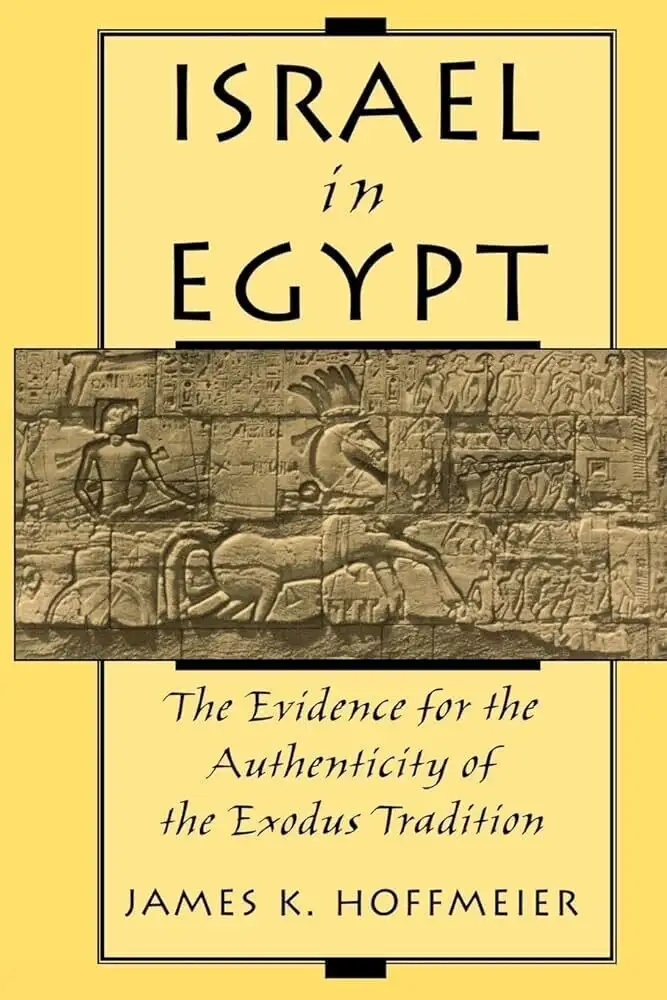
The Mose Stele, for instance, describes a soldier named Mose who was victorious and received gifts from Ramesses. This has led to speculation about whether this figure could be connected to the biblical Moses, particularly given his description as a soldier.
The "Promised Land" and Ongoing Excavations
Evidence also emerges from regions beyond Egypt, in areas identified as the biblical "Promised Land." In July 2024, archaeologists uncovered remnants in Zanoah, an Old Testament city, including stone walls and pottery dating back over 3,200 years. Among the findings was a broken jar handle inscribed with a king's name mentioned in the Bible, which some see as further corroboration of the Exodus narrative.
Read More: Erode Aqueduct Stable: ASI Finds Minor Seepage, Recommends Repairs
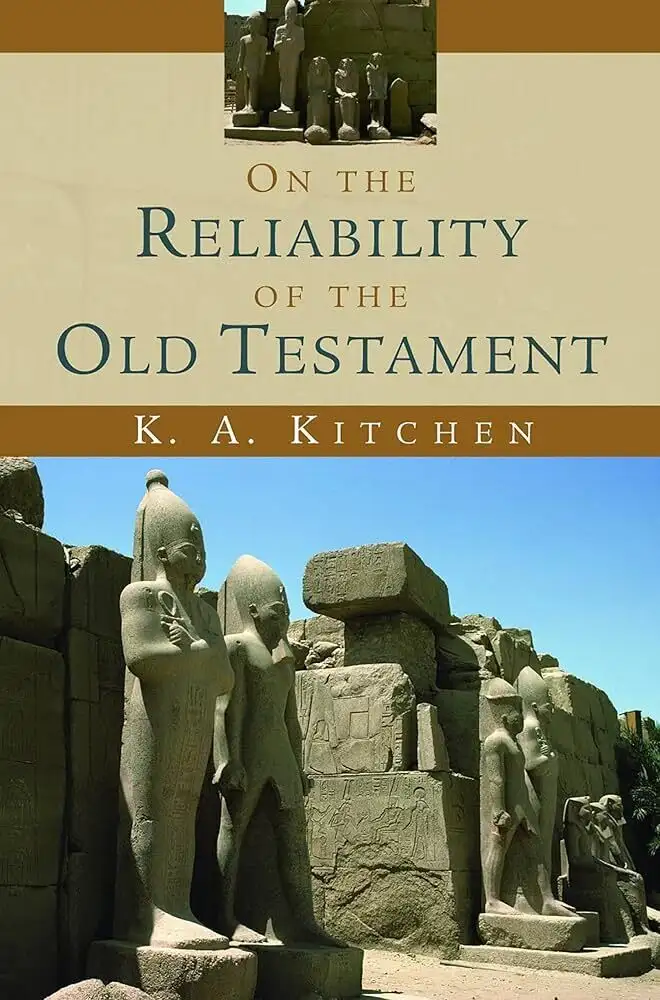
The biblical account of Moses includes his upbringing by Pharaoh's daughter, who drew him from the Nile. Midrashic traditions offer further details, including the daughter of Pharaoh bestowing upon him the name Bithiah, meaning "daughter of God," as a reward for her actions.
Historical Context and Persistent Questions
The figure of Moses remains complex, with extrabiblical sources offering few clear confirmations. While the narrative of Moses leading the Israelites out of Egypt is central to Judaism and Christianity, concrete historical evidence directly naming Moses outside of biblical texts has been scarce until recent speculative interpretations. The ongoing archaeological work and scholarly debates highlight the persistent effort to reconcile ancient texts with physical discoveries, leaving the historicity of Moses a subject of ongoing inquiry.