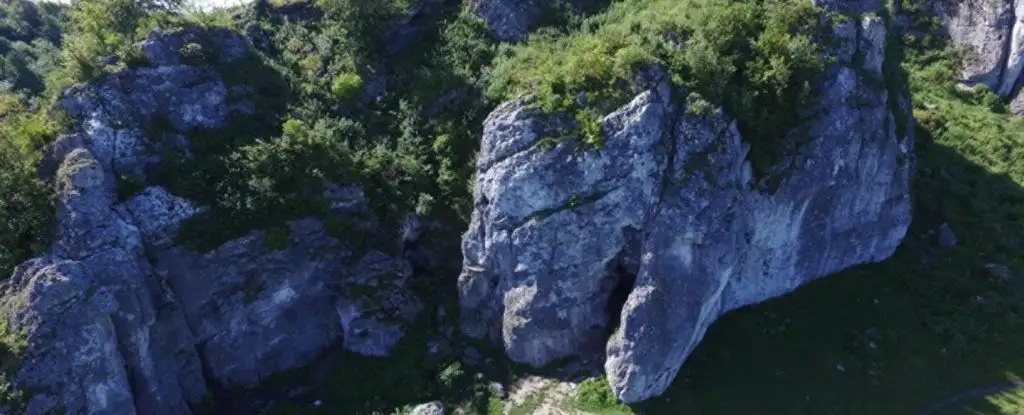
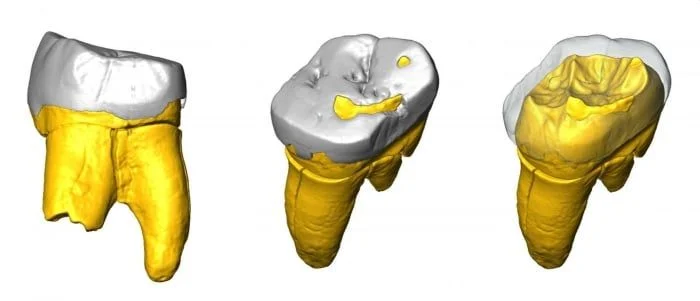
New genetic evidence extracted from a Neanderthal molar found in Stajnia Cave, Poland, has identified the oldest Neanderthal group reconstructed in Central-Eastern Europe. The remains, designated Stajnia S5000, date back between 80,000 and 116,000 years old, with recent analyses suggesting an age of at least 80,000 years. This discovery provides crucial insights into the mobility and genetic connections of Neanderthals across vast geographical areas during significant climate shifts.

Genetic Links and Mobility
The genetic makeup of the Stajnia S5000 molar shows a closer relationship to Neanderthals from the Northern Caucasus than to those found in Western Europe, such as individuals from Belgium and Germany who lived around 120,000 years ago. This finding is considered strong evidence for the "mobility of Neanderthals," challenging earlier assumptions about isolated populations.
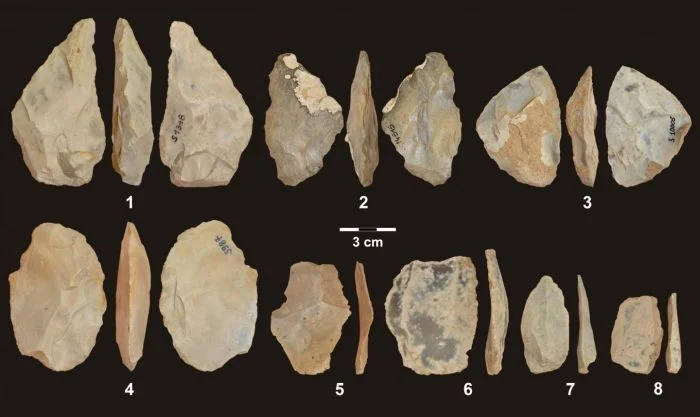
The Micoquian cultural tradition, characterized by specific bifacial stone tools, is associated with the Stajnia S5000 remains. This tradition persisted in Central-Eastern Europe from approximately 130,000 years ago until the Neanderthals' eventual demise, suggesting cultural continuity despite demographic fluctuations.
Read More: 5,900-Year-Old Child Skull Found in Norway Cave
Environmental Pressures and Dispersal
Around 100,000 years ago, Central-Eastern Europe experienced a dramatic climate shift. The environment transformed from forested landscapes to open steppe and taiga habitats, favoring the spread of cold-adapted species like woolly mammoths and rhinos. During these periods of harsh climate, Neanderthals inhabiting regions north of 48° latitude likely faced severe demographic contractions. They are thought to have returned to these northern areas primarily during warmer climatic interludes.
Broader Neanderthal Context
This discovery at Stajnia Cave represents the first Neanderthal remains identified in Poland. The tools and human remains found are morphologically similar to those discovered at sites in Germany, Crimea, the Northern Caucasus, and Altai. These similarities further underscore the interconnectedness of Neanderthal groups across different regions.
In a wider genetic context, the ancestors of modern humans diverged from the lineage leading to Neanderthals and Denisovans between 500,000 and 700,000 years ago. Notably, research on modern humans has revealed that they lost their original Y chromosomes, which were later replaced by those originating from Neanderthals, indicating interbreeding between the two groups.
Read More: Europe June 2026 heatwave caused 39 percent rise in Belgium deaths