As of 20 May 2026, the World Health Organization (WHO) has designated the current Ebola outbreak in the Democratic Republic of Congo (DRC) and Uganda a public health emergency of international concern. Official reports from the Africa Centres for Disease Control and Prevention (Africa CDC) confirm 246 suspected cases and 65 deaths. Local accounts from the Ituri province, particularly in Bunia, describe a surge in burials that preceded formal recognition of the crisis.

The causative agent is the Bundibugyo virus, a rare Ebola strain for which no specific vaccine or medical treatment currently exists.
Current Status and Transmission Risks
The situation remains volatile, with evidence suggesting the virus has been circulating undetected for several weeks.
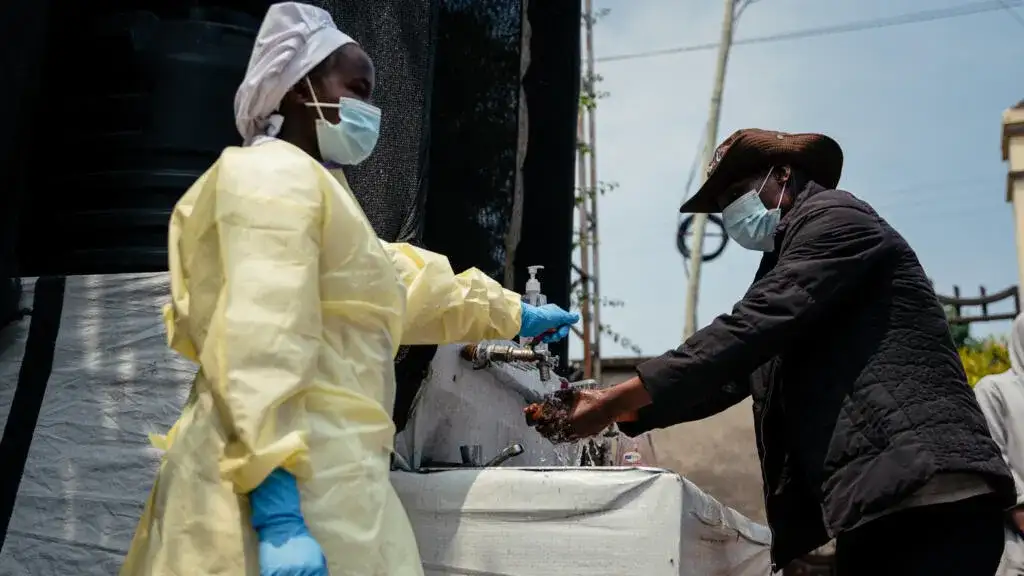
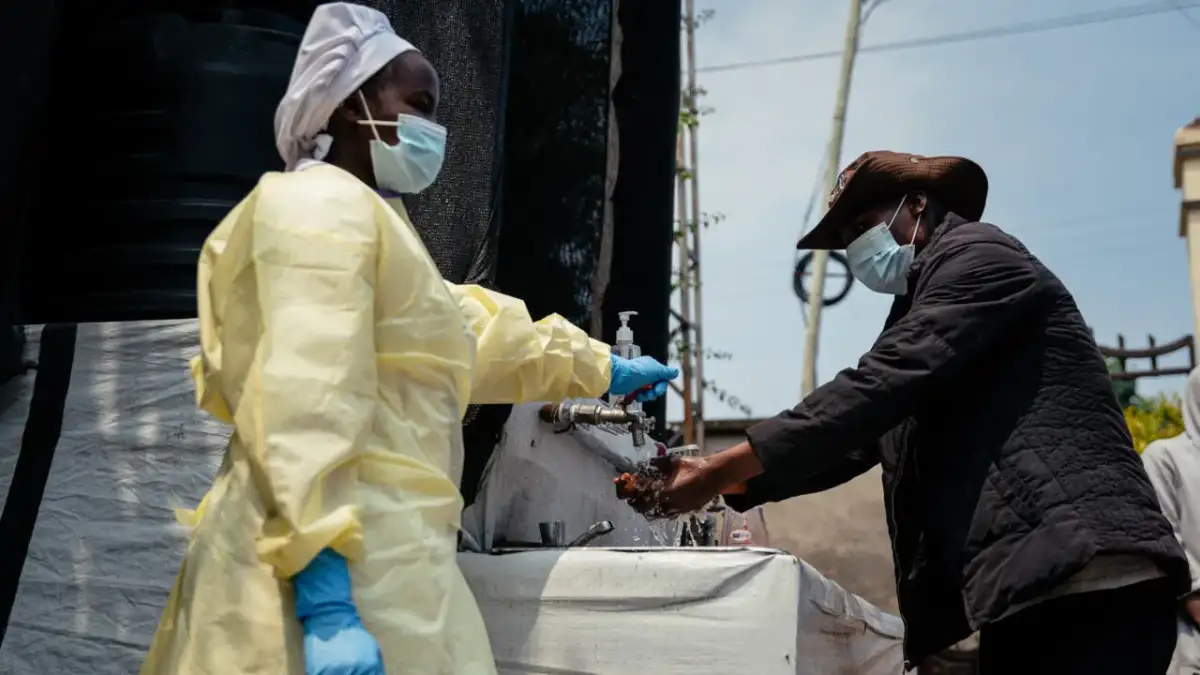
Infection gaps: At least four healthcare workers have perished, indicating systemic failures in clinical infection control protocols.
Geographic spread: The virus has crossed international borders, evidenced by a fatal case in Kampala, Uganda.
Diagnostic hurdles: While diagnostic tests exist, their application is restricted and not yet deployed at the scale necessary to map the true breadth of the epidemic.
| Metric | Current Data Estimate |
|---|---|
| Confirmed/Suspected Cases | 246 |
| Recorded Deaths | 65 |
| Primary Virus Strain | Bundibugyo |
| Vaccine Status | None available for this strain |
The "Silent" Progression
The crisis highlights a pattern of late detection. While the DRC Health Ministry officially acknowledged the outbreak following the identification of an index case—a nurse—on 24 April, local residents reported unusual mortality rates well before that date. This delay has complicated efforts to establish a definitive timeline for the pathogen's introduction into populated centers.
Read More: India IVF Costs And Social Barriers Limit Access In April 2026
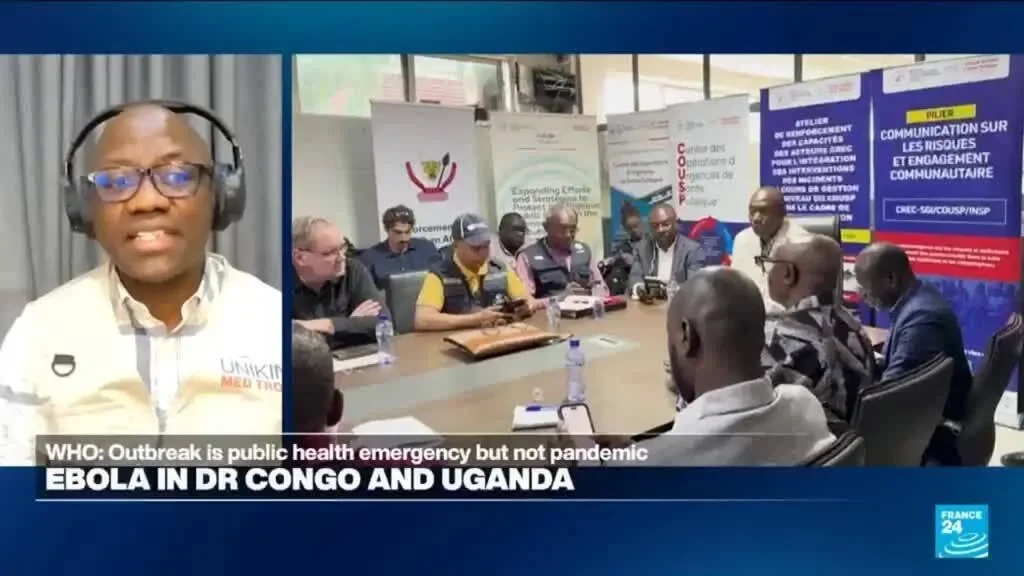
"In a single day, we bury two, three or even more people." — Jean Marc Asimwe, Bunia resident.
Contextualizing the Outbreak
This emergency follows closely on the heels of previous instability in the region. The DRC grappled with an outbreak in Kasai province just last year, which claimed 45 lives before being declared resolved in December 2025.
The Bundibugyo virus remains one of six known Ebola species. Unlike the Ebola virus or Sudan virus strains, which have been the focus of past vaccination campaigns, the Bundibugyo variant presents a significant Public Health challenge due to the lack of established pharmaceutical countermeasures. Health authorities, including the WHO and Africa CDC, are now pivoting to implement containment strategies, though the efficacy of these measures against a weeks-long, quiet transmission chain remains under scrutiny.
Read More: Fikra API Africa Mobile Money AI Access for Developers