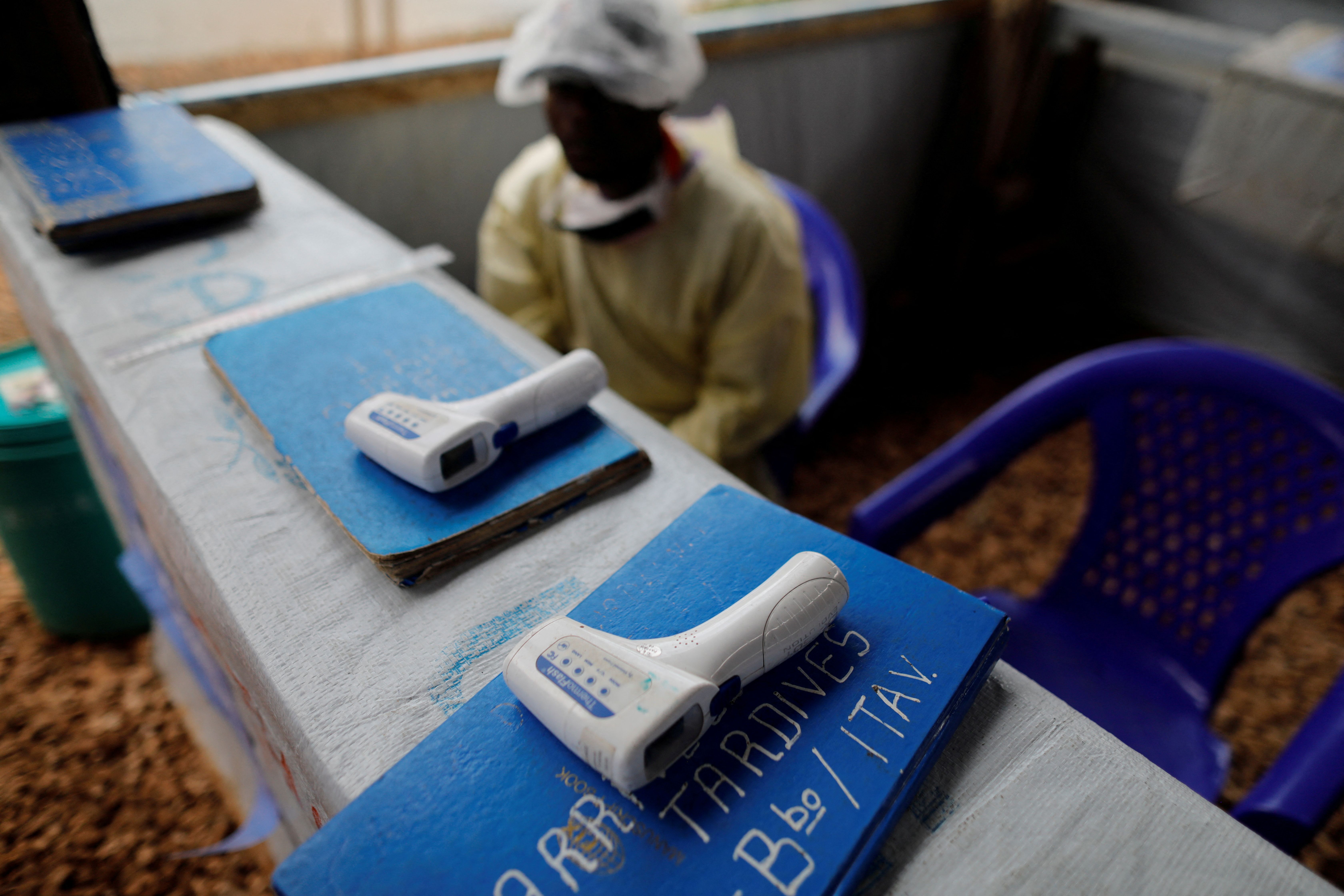
The World Health Organization (WHO) has declared the escalating Ebola outbreak in the Democratic Republic of Congo (DRC) and Uganda a “public health emergency of international concern.” The move signals a critical juncture, with the organization warning that the high positivity rate and increasing cases suggest a potentially larger outbreak than currently documented. The organization stressed that while the situation doesn't yet meet the criteria for a “pandemic emergency,” the trajectory warrants significant international attention.
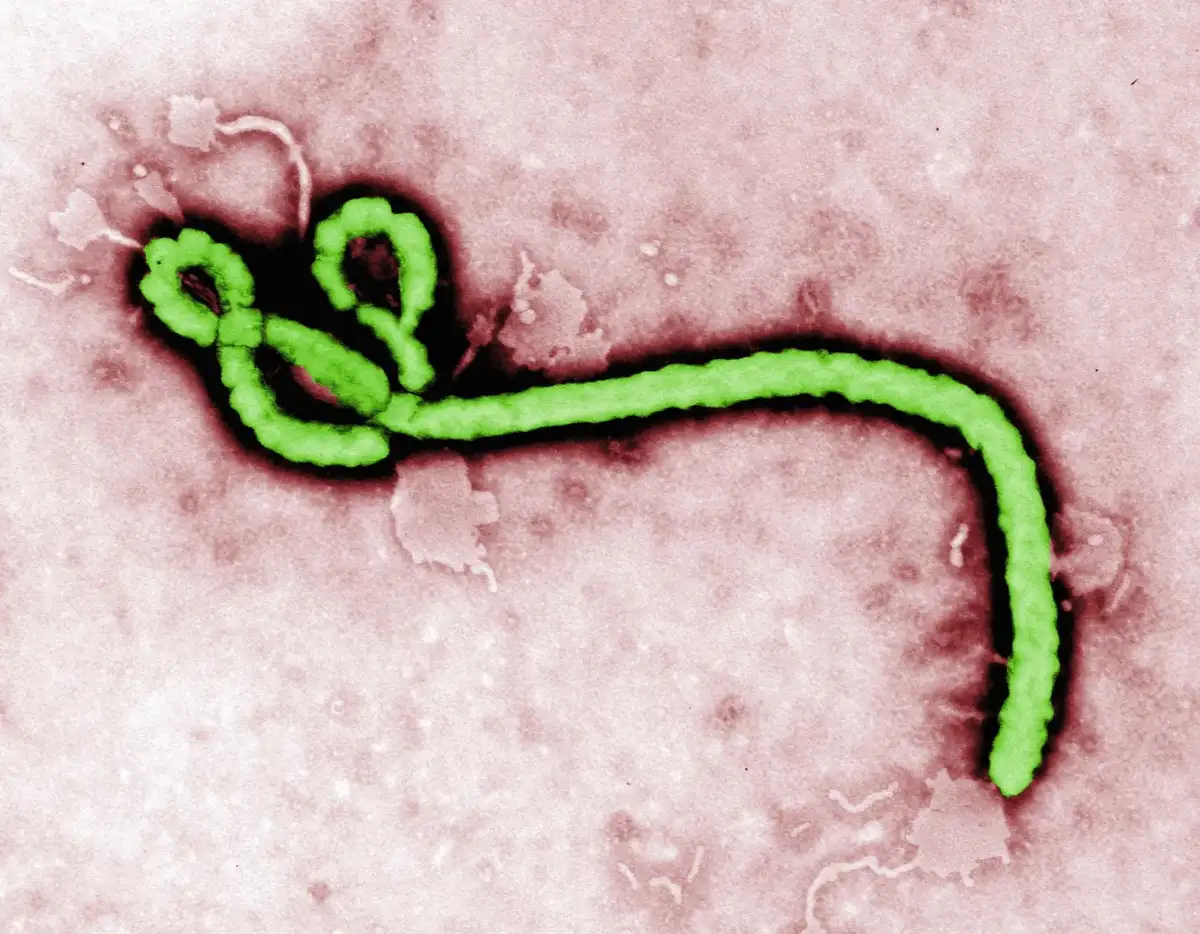
The current outbreak is centered in the DRC's remote northeastern Ituri province, specifically impacting the Mongwalu health zone, a significant mining area. As of reports, the US Centers for Disease Control and Prevention (CDC) has identified 10 confirmed cases and 336 suspected cases within the DRC. More than 100 suspected deaths have been linked to this outbreak. Worryingly, four health workers are among the reported suspected deaths. The virus has also crossed borders, with at least two laboratory-confirmed cases in Uganda, including one death in the capital, Kampala, linked to travel from the DRC.
Read More: India IVF Costs And Social Barriers Limit Access In April 2026

Global Response Mobilizes Amidst Containment Concerns
An international effort is now underway to stem the spread of the Bundibugyo Ebola strain. This particular strain is concerning due to the absence of approved vaccines or specific treatments, with current medical responses largely focused on managing symptoms. The Africa Centres for Disease Control and Prevention (Africa CDC) has convened urgent high-level coordination meetings with health authorities from the DRC, Uganda, and South Sudan, alongside UN agencies and other international partners. A major point of concern is the close proximity of the affected regions to Uganda and South Sudan, facilitating cross-border transmission. The United States is also involved, with the CDC coordinating the relocation of a "small number" of affected American citizens, while urgently dispatching medical supplies and experts to the region.
Read More: Fikra API Africa Mobile Money AI Access for Developers
Background: A Remote Region and a Lethal Virus
The outbreak's genesis in Mongwalu, a remote and high-traffic mining locality, has been identified as a key factor in its spread. Infected individuals subsequently traveled to other health zones, exacerbating transmission. The remote and often conflict-torn nature of the affected regions in eastern Congo presents substantial logistical challenges for containment efforts. The Bundibugyo Ebola strain, first identified in 2007, has a history of causing severe illness and has been linked to a rapid, deadly progression in some cases. The declaration of a global health emergency underscores the perceived gravity of the situation and the potential for wider implications if containment strategies falter.