Drought-stressed crops are physically unable to absorb sufficient iron from the soil, directly linking water scarcity to widespread malnutrition risk. Research indicates that as water levels drop, the structural and chemical pathways plants use to pull essential minerals from the earth shift, effectively locking iron out of the food supply chain.

The Biological Bottleneck
As of February 6, 2026, the mechanism of drought is no longer viewed merely as a volume-of-water issue, but as a systematic disruption of plant physiology.

Iron Sequestration: During periods of moisture deficit, root architecture alters its signaling, resulting in reduced ion uptake efficiency.
Invisible Deficiency: High evaporation rates—even with periodic rainfall—create a constant, hidden state of water stress that stunts the crop's ability to pull micronutrients from the substrate.
Global Health Impact: The primary consequence is an escalation of systemic malnutrition, targeting vulnerable groups like children and pregnant women who rely on consistent nutrient density in staples.
| Drought Type | Primary Mechanism | Crop Impact |
|---|---|---|
| Seasonal | Predictable cycle | Predictable yield loss |
| Unpredictable | Abrupt rainfall failure | Sudden market shocks |
| Invisible | High evaporation rate | Diminished nutritional quality |
Operational Resilience vs. Reality
While Precision Agriculture is marketed as a stabilizer, it primarily focuses on moisture retention rather than the biological correction of mineral uptake. Drought early warning systems (DEWS) provide time to pivot, yet they offer no mitigation for the structural "rewiring" that happens once the roots hit dry, oxygenated soil that inhibits iron mobility.
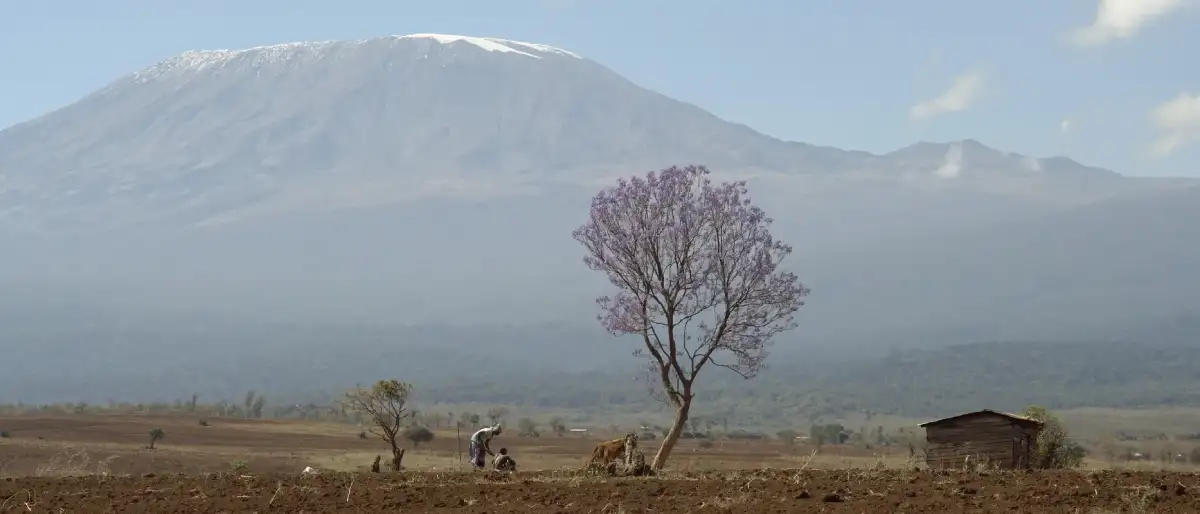
"Drought is often a silent stressor; its impact on the bioavailability of nutrients in our food crops remains a critical blind spot in current agricultural policy."
The Persistent State of Aridity
The classification of Drought is increasingly becoming a permanent feature rather than a temporary anomaly. Permanent drought now defines entire climatic zones, shifting the expectation of agricultural stability. Previous frameworks, which categorized drought as a transient weather event, are increasingly mismatched with the reality of soil exhaustion and long-term water deficiency.
Read More: New Wheat Makes Bigger Starch for Food and Industry

Modern reliance on Hydropower and intensive irrigation hides the extent of this decay. When infrastructure fails or aquifers hit low levels, the inability of the soil to support nutrient-dense crop growth becomes an acute, rather than chronic, crisis. The data confirms that technical solutions like drought-resistant seeds are merely defensive, not restorative, regarding the fundamental iron cycle within the soil-root interface.