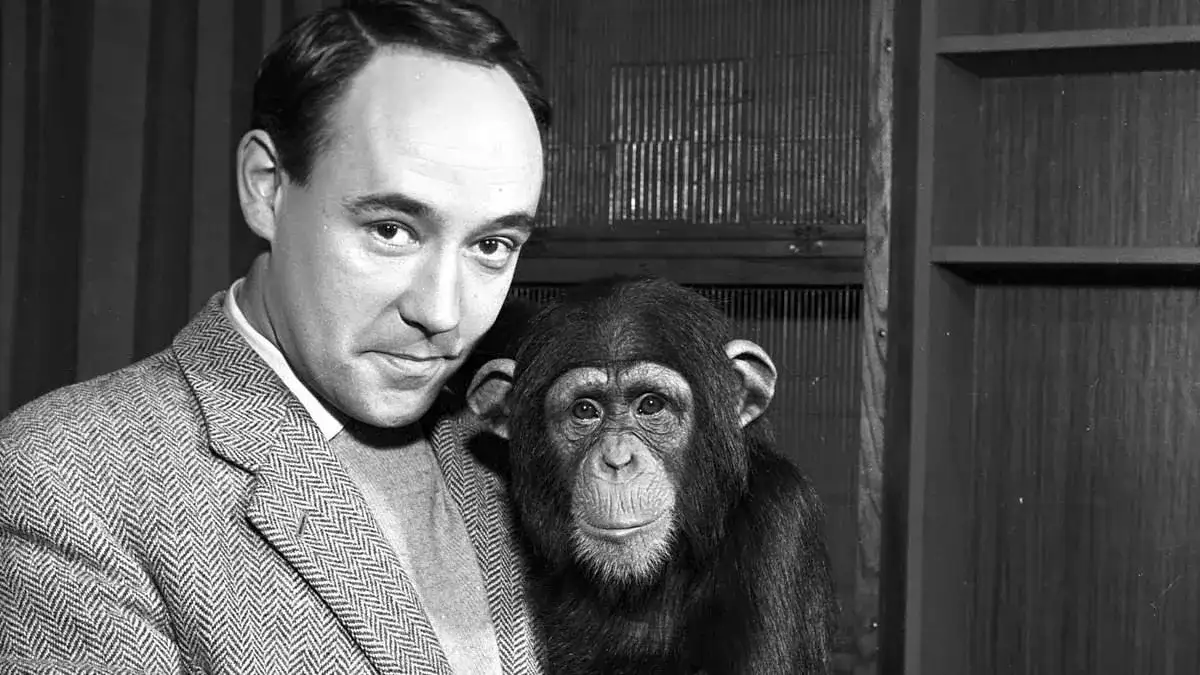
Desmond Morris, the zoologist whose distinctive voice and unflinching gaze made the animal kingdom—and our own place within it—a subject of popular fascination, has died. He was 98. His passing was confirmed on Sunday.
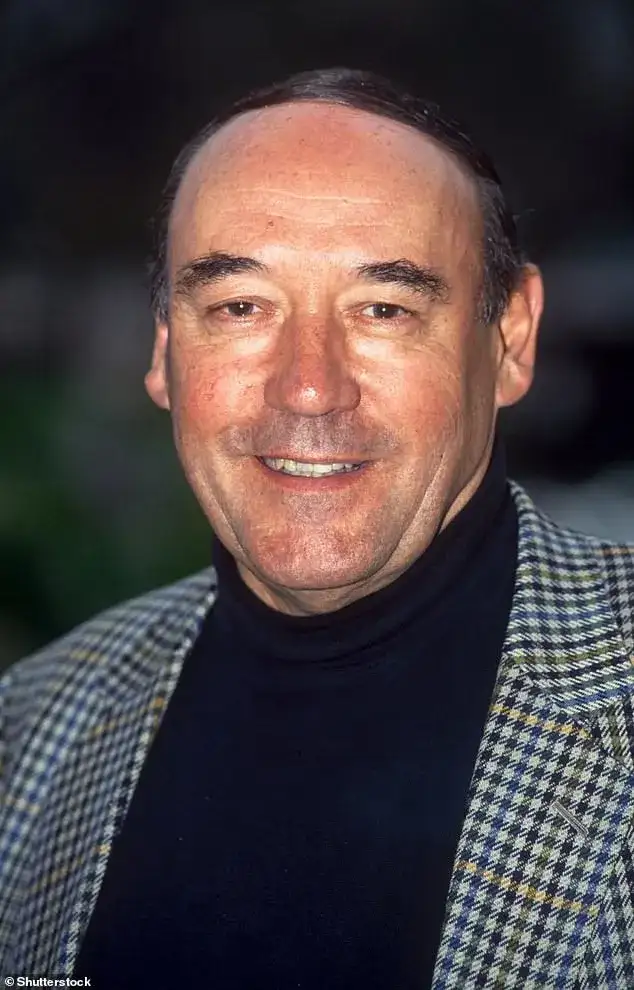
Morris, an author, television presenter, and surrealist artist, maintained a prolific engagement with his academic and creative pursuits, reportedly writing and painting until his final days.
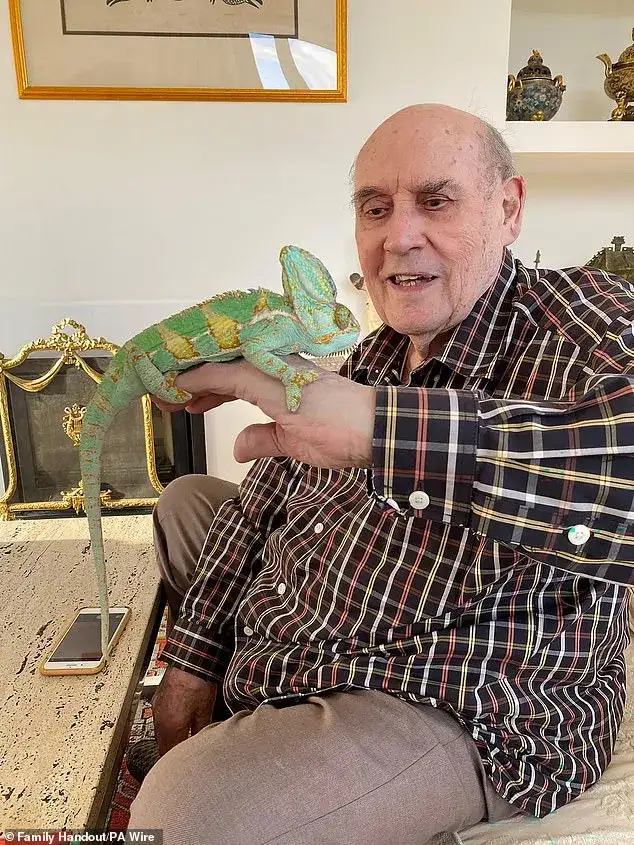
Morris’s academic foundations were laid with a zoology degree from the University of Birmingham. His subsequent research at Oxford University culminated in a doctorate focused on animal behaviour, specifically the reproductive habits of birds. This rigorous scientific background underpinned his broader work.
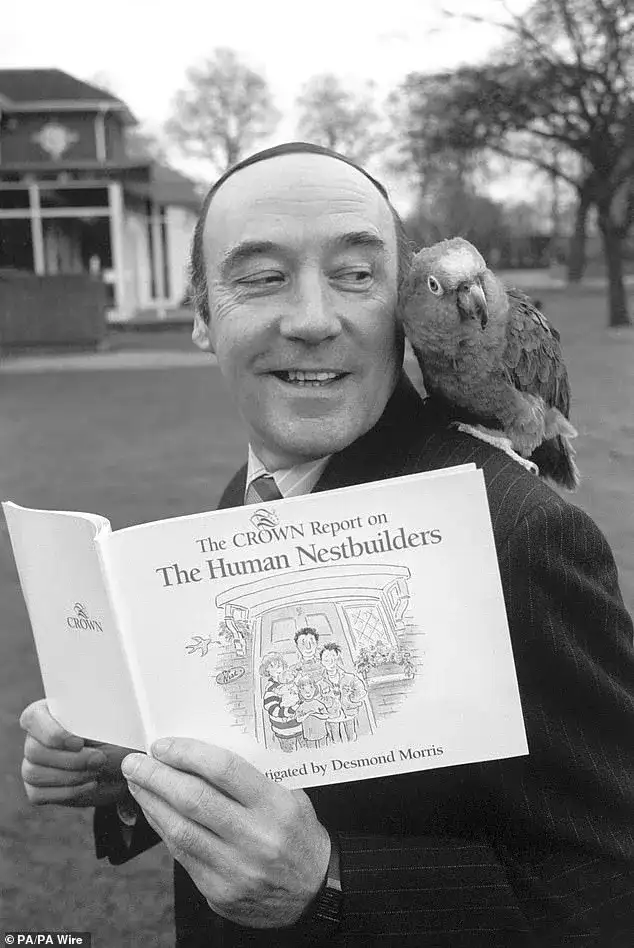
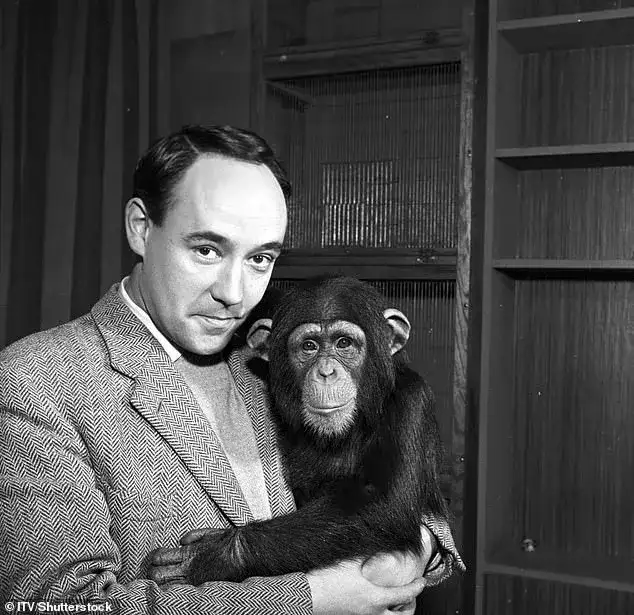
His career, spanning decades, saw him contribute to over 90 titles dedicated to the study of animals. He also ventured into light entertainment with television programs such as The Animal Roadshow and Animal Country, alongside Sarah Kennedy, and earlier hosted the pioneering BBC show Zoo Time, scripting and presenting hundreds of episodes. Another BBC series, Life in the Animal World, also bore his distinctive touch.
Read More: Peabo Bryson, singer of famous duets, dies at 77
Beyond his scientific and broadcast work, Morris was an accomplished surrealist painter. His art, exhibited internationally, often merged biological forms with artistic imagination, reflecting his view of humans as integral parts of the natural world. He was associated with the British Surrealist movement of the 1950s, exhibiting alongside figures like Joan Miró.
His son, Jason Morris, remembered his father as a figure of "a lifetime of exploration, curiosity and creativity," highlighting his continued dedication to writing and painting.
Morris’s most celebrated work, the 1967 international bestseller The Naked Ape, propelled him to wider fame. The book offered a controversial examination of human behaviour through an evolutionary lens, sparking considerable public debate. He also held positions, including curator of mammals at the London Zoo, and later returned to Oxford as a research fellow.
Read More: Indigenous Data Rights Now Key in Conservation Genomics