A significant portion of Democrats, when polled recently, indicated a willingness to alter the party's approach to redistricting, even if it means potentially decreasing the number of districts where minority groups hold a clear majority. This sentiment emerged from a new POLITICO Poll, suggesting a fracturing within the Democratic Party's strategy for countering Republican-led gerrymandering.

The underlying tension appears to stem from the shifting demographics and allegiances within the Black electorate. Reports suggest a growing number of Black voters are becoming less reliably aligned with the Democratic Party, with a younger demographic showing increased openness to Republican overtures. This presents a complex challenge for Democrats aiming to navigate Supreme Court rulings and maintain voter engagement.

Broader National Anxieties Persist
Beyond the specific intra-party debate, a wider landscape of apprehension regarding the nation's democratic trajectory continues to loom. A national poll conducted by the Leadership Conference on Civil and Human Rights in early November 2025 painted a stark picture of widespread anxiety. Americans, across various political leanings, expressed deep unease about escalating extremism, the state of race relations, and the overall health of democratic institutions.
Read More: Taiwan Holds Nantou County Drills to Prepare for State Collapse
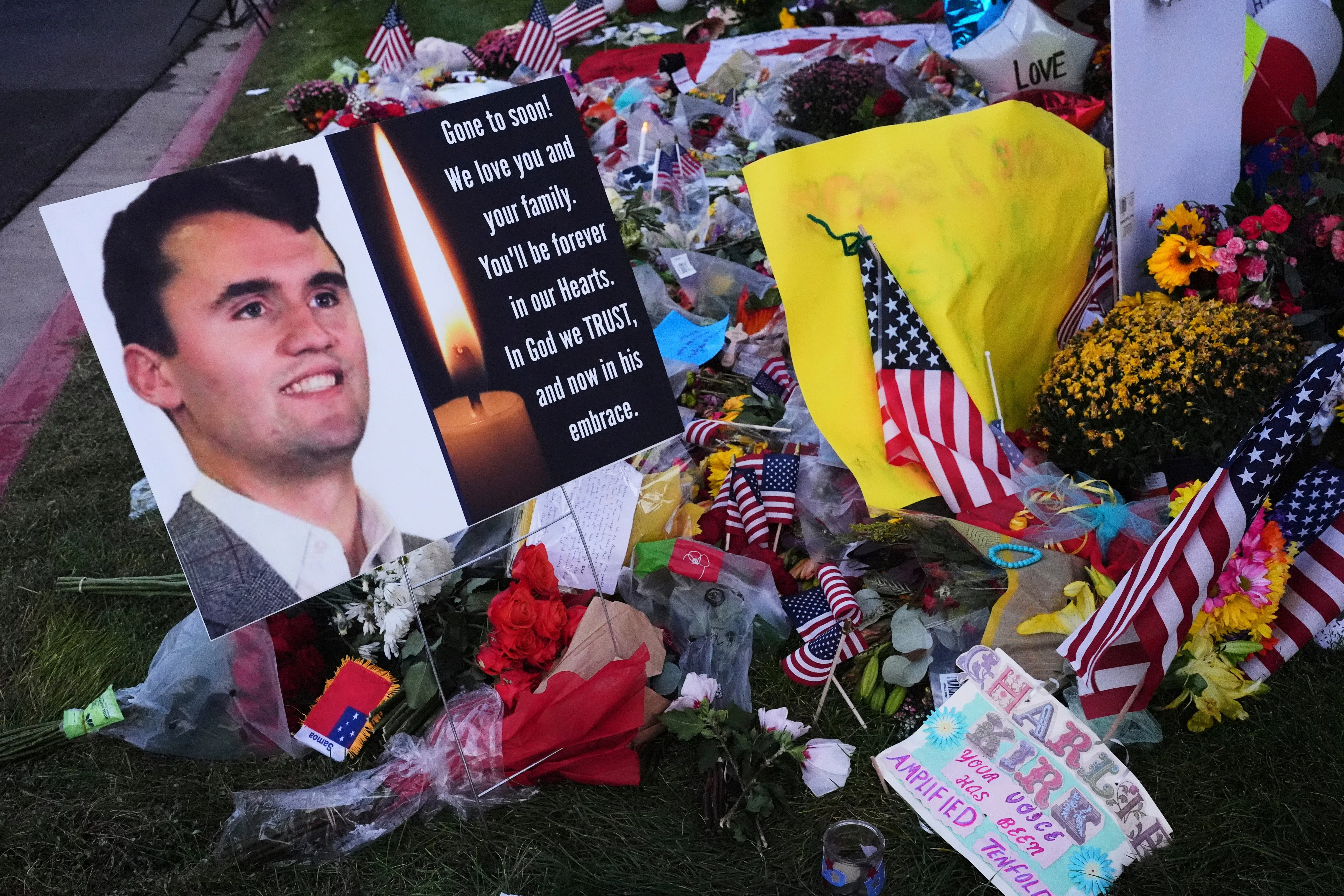
These findings, mirrored in a separate "Blackout Report," highlight concerns about the erosion of public data and civil rights protections at both federal and state levels. This broad unease is not confined to a single political faction; while conservatives may point to immigration and economic issues, moderates and liberals voice greater concern over democracy, extremism, and civil rights.
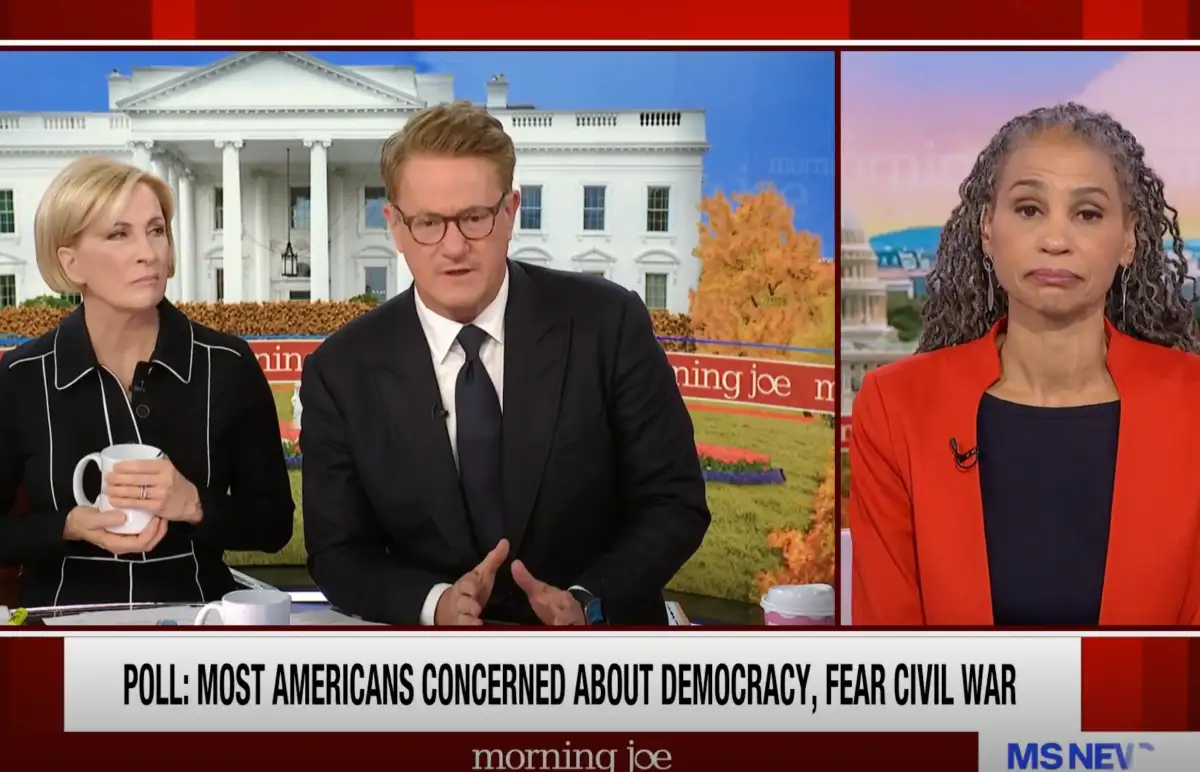
Public Perception of Civil War Likelihood
Separate polling from mid-2025 indicated a notable segment of the American populace believes a civil conflict is a plausible prospect within the next decade. A YouGov poll revealed that 22% of Americans deemed a civil war "somewhat likely" or "very likely." Notably, Democrats were more inclined than Republicans to view such an eventuality as probable.
Concerns about political division and potential conflict have been a recurring theme, amplified by events such as the January 6th Capitol events and responses to the recovery of classified documents. While some observers have long flagged growing political and social divisions as warning signs, specific events have seemed to intensify these discussions about national stability.