A groundswell of opposition is mounting against the proliferation of artificial intelligence data centers across the United States, creating a significant political quandary. This burgeoning backlash, fueled by concerns over rising electricity costs and local resource strain, is cutting across traditional party lines and complicating political strategies ahead of upcoming elections. Candidates are increasingly finding themselves on the defensive, pressured to address voter anxieties about the tangible impacts of this energy-intensive infrastructure.

Voters React to Power Demands and Utility Bills
Public sentiment is visibly shifting as the demand for AI data centers escalates, placing a noticeable strain on power grids and, consequently, consumer electricity bills. Reports indicate a growing number of Americans are vocalizing their unease.
Residents in places like Danville, Pennsylvania, have packed community meetings to question energy companies about the potential impacts of proposed data centers on their utility bills, farmland, and local resources.
Concerns are not limited to rural areas; cities like Chandler, Arizona, are also grappling with data center proposals, with city staff cautioning that such developments historically offer limited job creation while introducing numerous complications.
The strain is leading to significant political maneuvering. The Biden administration, through officials like Energy Secretary Chris Wright, has called on the Federal Energy Regulatory Commission to assert jurisdiction over the connection of large data centers to the grid. The aim is to ensure these facilities bear the cost of necessary new transmission infrastructure. Governor JB Pritzker has proposed a two-year moratorium on tax incentives for data centers, with states being required to implement rules mandating that data center developers cover the costs of new power generation. Senator Bernie Sanders has joined the chorus, advocating for a nationwide moratorium on new data center construction.
Read More: OpenAI Trial: Elon Musk Claims Free Teslas Offered for Influence

Political Figures Grapple with AI Infrastructure Demands
The political landscape surrounding AI development is proving complex, with leaders like former President Donald Trump pushing for expanded data center construction, while others on both sides of the aisle express reservations.

Trump has publicly advocated for Big Tech companies to "pay its own way" for the substantial power consumption required by AI data centers, specifically mentioning that companies like Microsoft would need to make changes so that Americans do not "pick up the tab." This stance frames utility bills as a non-negotiable cost for technology firms involved in the AI buildout.
Conversely, some officials, like Senator Kyrsten Sinema, have cautioned local authorities that federal pressure might eventually be applied to permit data centers if local opposition proves too strong.
This situation highlights a broader political vacuum on AI policy. While tech industry insiders generally support rapid innovation, public opinion polling, though sparse, suggests a prevailing sense of anxiety among Americans regarding AI's rapid advancement and its infrastructural demands.
The Growing Appetite for AI and Its Energy Footprint
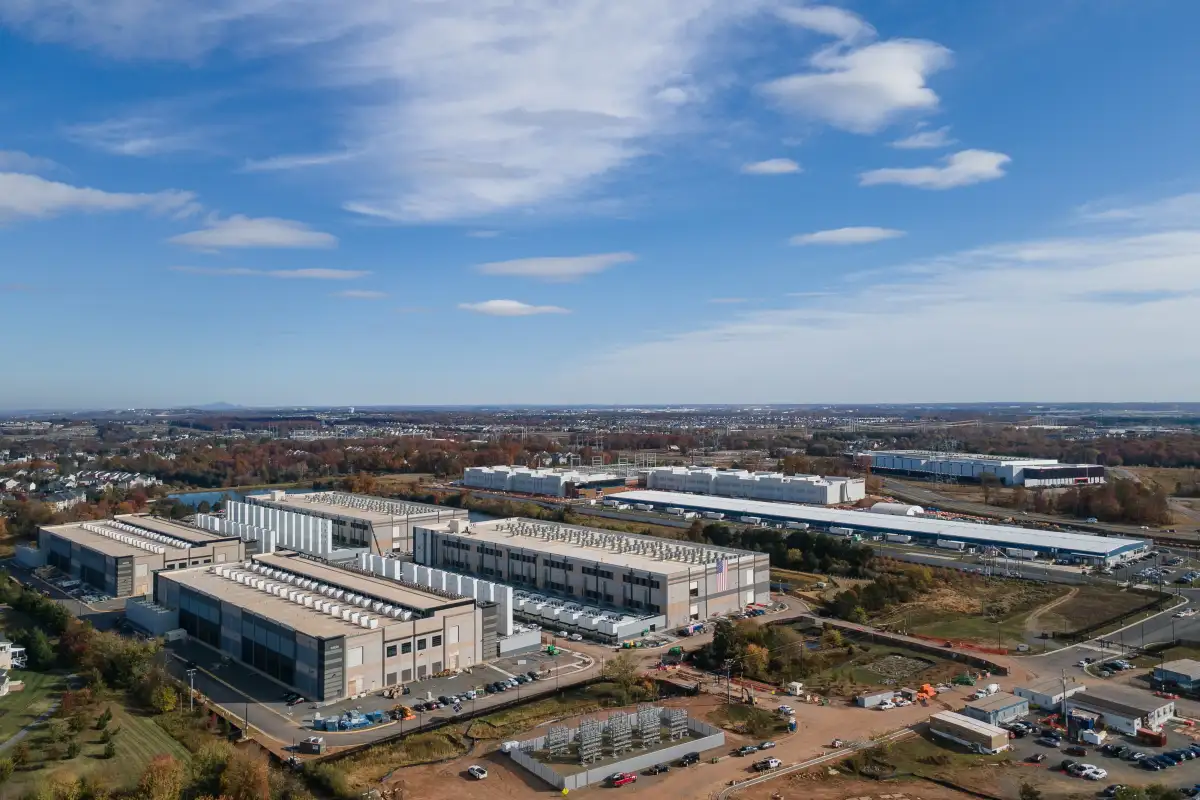
The demand for artificial intelligence has spurred a significant increase in the construction of data centers. These facilities, often characterized as "clouds," are industrial structures that consume vast amounts of energy, comparable to facilities like steel mills.
Read More: Trump's Iran statements cause worry in US and abroad
Many new data center projects necessitate the development of entirely new energy generation capacity, in addition to utilizing existing power sources.
Furthermore, these data centers require substantial volumes of water for cooling systems.
Historically, data centers tend to be situated in locations offering the cheapest electricity, which often means they are not powered by renewable energy sources.
The rapid expansion of these power-hungry facilities is no longer a theoretical strain on the grid; it is a present reality impacting energy costs. Utility decisions regarding grid upgrades and rate cases operate on timelines that often extend beyond political campaign cycles, meaning the true cost of new data centers appears on consumer bills long after their construction is announced.