)
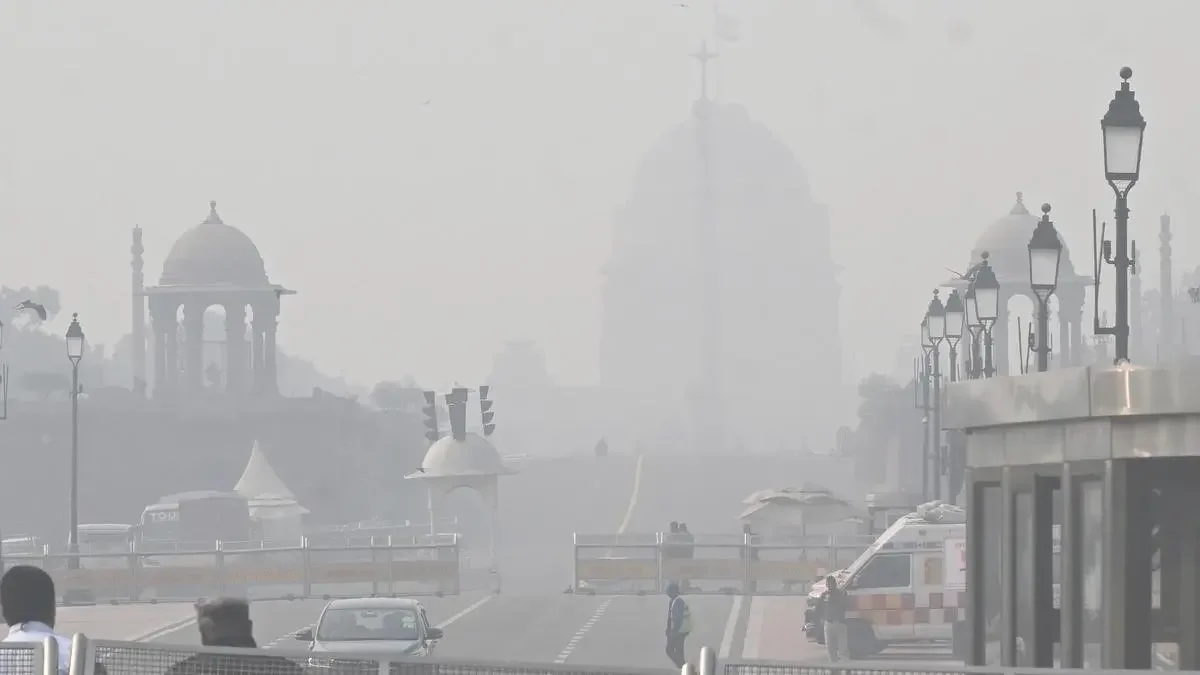
The air in Delhi, the nation's capital, continues to hang heavy with pollutants, lingering in the "poor" category. While news reports tout a "slight improvement" or a "marginal dip" in Air Quality Index (AQI) readings, the reality on the ground for millions of residents remains a daily struggle for breath. With AQI figures hovering around 225, this isn't just a statistical blip; it's a persistent environmental and public health emergency that demands more than just platitudes. Are we truly addressing the root causes, or merely observing a cyclical pattern of temporary relief before the inevitable slide back into dangerous territory?
The Daily Grind of Toxins: What Does "Poor" Air Really Mean?
The Central Pollution Control Board (CPCB) categorizes air quality based on AQI scores, a system designed to inform the public. Let's break down what these numbers mean for our health:
Read More: Famous Actors Support Rajpal Yadav After Jail Surrender
Good (0-50): Minimal impact.
Satisfactory (51-100): Minor breathing discomfort for sensitive individuals.
Moderate (101-200): Sensitive groups may experience health effects; general public less affected.
Poor (201-300): Health effects may be experienced by sensitive groups. This is the current state for much of Delhi.
Very Poor (301-400): Health effects may be experienced by most people.
Severe (401-500): Emergency conditions. Health warnings of emergency conditions. Everyone may experience more serious health effects.
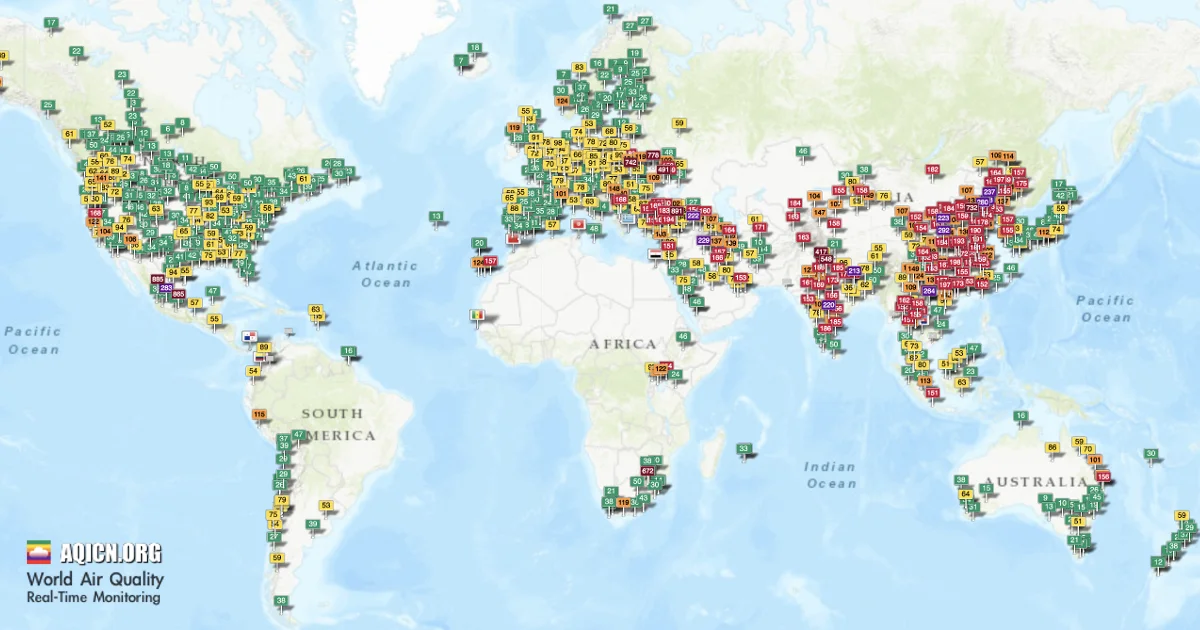
When Delhi's AQI sits at 225, it means a significant portion of the population, particularly those with respiratory issues, children, and the elderly, are already facing health challenges. The warnings from monitoring agencies like aqicn.org are stark: everyone may begin to experience health effects; members of sensitive groups may experience more serious health effects. This isn't a future threat; it's a present danger.
A Familiar Cycle: From "Very Poor" to "Poor" – Is This Progress?
Just days ago, multiple areas in Delhi were plunged into the "very poor" category, with AQI readings soaring above 300 (e.g., Anand Vihar at 332, Bawana at 306). Now, reports suggest an improvement, with 25 monitoring stations in the "poor" category and 14 in "moderate." While the absence of "very poor" readings at all stations is noted, the shift from "very poor" to "poor" for many areas doesn't represent a solution, but rather a regression from a crisis to a chronic, albeit less acute, emergency.
Read More: Small Changes by Many Can Help Environment
| Previous Day (Examples) | Current Day (Examples) | Category |
|---|---|---|
| Anand Vihar (332) | Anand Vihar (261) | Poor |
| Bawana (306) | Bawana (266) | Poor |
| Ashok Vihar (320) | Ashok Vihar (259) | Poor |
| Dwarka Sector 8 (328) | Dwarka Sector 8 (273) | Poor |
| RK Puram (314) | RK Puram (271) | Poor |
| Rohini (322) | Rohini (268) | Poor |
| Patparganj (307) | Shadipur (280) | Poor |
Data aggregated from provided sources.
This cyclical improvement and deterioration raise crucial questions: What are the transient factors causing this slight dip? Are these short-lived weather phenomena, or genuine policy impacts? And more importantly, why do we find ourselves repeatedly oscillating between "poor" and "very poor" rather than achieving a consistently "satisfactory" or "good" air quality?
The Weather Factor: A Temporary Reprieve?
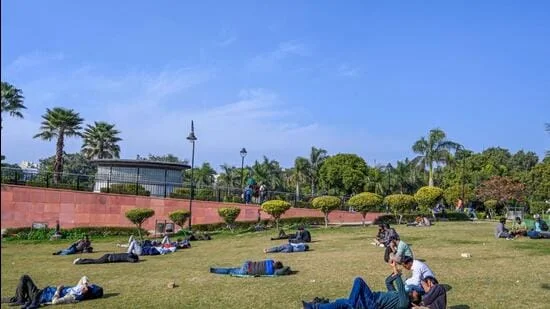
Recent reports mention shallow fog and a "feeble" western disturbance as contributing factors to the current air quality. The India Meteorological Department (IMD) notes minimum temperatures hovering around 8-10 degrees Celsius, with maximums near 23-24 degrees Celsius. These conditions can influence pollutant dispersion.
Read More: Head of RSS Says Vets Can Help India's Economy More
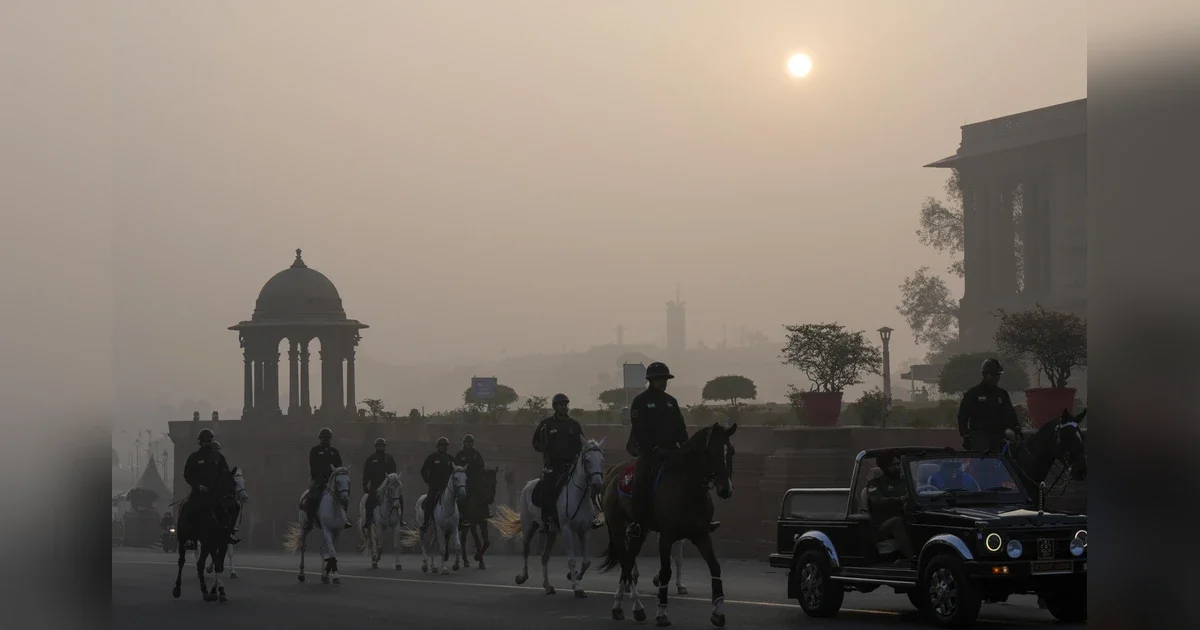
"The fresh western disturbance will be fairly feeble, with no significant impact in the plains… no significant impact is expected through this snowfall as temperature will not dip significantly in the plains." - Mahesh Palawat, Skymet Weather vice president (via HT)
This highlights a critical dependency: Delhi's air quality seems heavily influenced by meteorological conditions. While favourable weather can offer temporary relief, it underscores the lack of robust, intrinsic pollution control measures that can sustain clean air regardless of the weather. Are we relying too heavily on nature's whims to manage a man-made crisis?
Beyond the Numbers: The Human Cost of Persistent Pollution
The constant exposure to poor air quality takes a heavy toll. Health alerts from platforms like aqicn.org and IQAir are consistent: everyone should avoid all outdoor exertion. This isn't an inconvenience; it's a lifestyle dictated by toxic air. Children's development is hampered, chronic respiratory diseases are exacerbated, and the overall quality of life for millions is diminished.
Read More: New Ideas Say Capitalism Makes Climate Problems Worse
PM 2.5 and PM 10: Fine particulate matter (PM 2.5) and inhalable particles (PM 10) are identified as major culprits. These tiny particles can penetrate deep into the lungs and bloodstream, causing serious health issues (aqicn.org, AccuWeather).
Long-term Effects: Beyond immediate discomfort, prolonged exposure can lead to the development of chronic respiratory diseases (aqicn.org).
What are the long-term health and economic consequences of this perpetual exposure? How many medical consultations, hospital admissions, and lost workdays are directly attributable to Delhi's air pollution? These are questions that need to be quantified and addressed with the urgency they deserve.
A Glimmer of Policy Intent: "Whole of Delhi declared as air pollution control area."
The Department of Environment for the Government of NCT of Delhi states that the "Whole of Delhi [is] declared as air pollution control area under Air Act" and emphasizes "Compliance to Hon’ble Supreme Court, Hon’ble High Court and Hon’ble NGT orders regarding air pollution control." Measures like the "Closure of thermal (coal) based power plants" are also cited (environment.delhi.gov.in).
Read More: Rolls-Royce Plans Big Investment in India, More Jobs and Local Parts
Declared Control Area: Delhi is officially recognized as an area requiring stringent air pollution control.
Legal Mandates: Court orders from the Supreme Court, High Court, and National Green Tribunal (NGT) are in place.
Past Actions: Coal-based thermal power plants have been closed.
However, the persistent "poor" air quality suggests that the implementation and enforcement of these measures are either insufficient or not fully addressing the diverse sources of pollution. What specific mechanisms are in place to monitor compliance across all mandated areas? How effective are the penalties for violations? And are these existing policies comprehensive enough to tackle the multi-faceted nature of Delhi's air pollution problem, which includes vehicular emissions, industrial activities, construction dust, agricultural burning in neighbouring states, and waste burning?
The Unanswered Questions: Moving Beyond Annual Reports
As Delhi continues to grapple with polluted air, several critical questions remain unanswered:
Read More: Plan to Build Big Ice Wall to Save Doomsday Glacier
Source Identification: While general sources are known, is there a granular, real-time understanding of the dominant pollutant sources contributing to the "poor" AQI on any given day?
Policy Effectiveness: What is the tangible, data-driven impact assessment of specific anti-pollution policies implemented in recent years? How much improvement can be directly attributed to them?
Inter-state Coordination: Given the transboundary nature of air pollution, what concrete, collaborative steps are being taken with neighbouring states to curb stubble burning and industrial emissions that impact Delhi?
Public Health Infrastructure: Is the public health system adequately prepared to manage the chronic and acute health impacts of prolonged exposure to "poor" and "very poor" air quality?
Accountability: Who is ultimately accountable for ensuring Delhi breathes clean air, and what are the consequences for failing to meet air quality targets?
Until these questions are met with transparent, data-backed answers and decisive action, the cycle of choking in "poor" air will likely continue, reducing "improvement" to mere statistical noise against a backdrop of persistent public health peril.
Sources:
The Hindu Businessline: https://www.thehindubusinessline.com/news/national/delhi-air-quality-remains-poor-aqi-at-225/article70598781.ece
Hindustan Times (1): https://www.hindustantimes.com/india-news/delhis-air-quality-to-improve-to-moderate-range-min-temp-normal-at-91c-101770351008020.html
Business Standard: https://www.business-standard.com/india-news/delhi-air-quality-improves-further-but-aqi-still-poor-in-most-areas-1260206003071.html
Air Quality Early Warning System for Delhi (EWS): https://ews.tropmet.res.in/
Delhi Air Pollution: Real-time Air Quality Index (aqicn.org): https://aqicn.org/city/delhi/
The News Mill: https://thenewsmill.com/2026/02/delhi-air-quality-improves-slightly-but-remains-poor/
Social News XYZ: https://www.socialnews.xyz/2026/02/05/delhi-air-quality-shows-marginal-improvement-aqi-remains-in-poor-category/
AccuWeather: https://www.accuweather.com/en/in/delhi/202396/air-quality-index/202396
Prokerala: https://www.prokerala.com/news/articles/a1726327.html
Ambient Air Quality (Delhi Environment Dept.): https://environment.delhi.gov.in/environment/ambient-air-quality
Hindustan Times (2): https://www.hindustantimes.com/cities/delhi-news/delhis-air-quality-improves-to-poor-max-temperature-at-23-9-deg-c-101770302423107.html
NewKerala: https://www.newkerala.com/news/a/air-quality-improves-slightly-delhi-aqi-remaining-poor-475.htm
Air Pollution in India Map (aqicn.org): https://aqicn.org/map/india/
Wikipedia (Air pollution in Delhi): https://en.wikipedia.org/wiki/AirpollutioninDelhi
Read More: India Says US Factsheet Changes Match Trade Deal Understanding