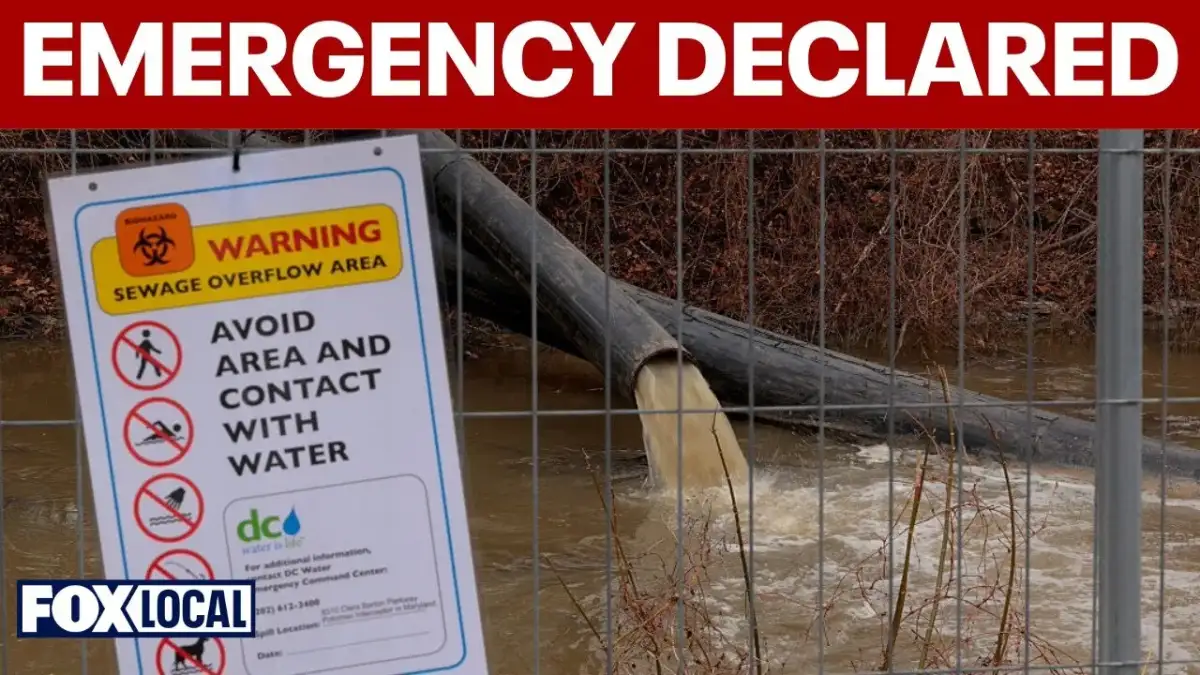
Washington D.C. - Mayor Muriel Bowser has declared a public emergency due to a significant sewage spill in the Potomac River. This declaration signals a serious infrastructure failure, prompting a formal request for federal assistance to manage the immediate crisis and address long-term resilience. The incident underscores the delicate balance between urban development and environmental preservation in the capital region.
The sewage discharge, originating from a rupture in the Potomac Interceptor pipeline on January 19th, has necessitated a coordinated response involving local, regional, and federal agencies. The 72-inch pipeline, a critical piece of infrastructure, has been a source of concern, and its failure presents substantial environmental and public health challenges. The mayor's action is a direct attempt to access resources vital for cleanup, monitoring, and infrastructure repair.
The Potomac Interceptor Rupture
On January 19th, a major sewage pipeline known as the Potomac Interceptor broke. This rupture has led to a considerable amount of sewage entering the Potomac River.
Read More: Amazon Land Use Changes Cause Disease Clusters in Brazil
The pipeline is a substantial 72-inch (183 centimeter) diameter line.
The failure has prompted immediate action from DC Water, the local utility responsible for the infrastructure.
Environmental monitoring and repair efforts are underway.
Declaration of Emergency and Federal Requests
Mayor Bowser's declaration of a public emergency serves a dual purpose: to acknowledge the severity of the situation and to expedite the acquisition of federal support.
The declaration allows for the request of a Presidential Emergency Disaster Declaration.
This request aims to bring in federal funding and technical expertise.
Specific federal assistance requested includes:
Technical and testing support for water quality monitoring.
Environmental modeling and engineering assistance.
Coordination calls among federal agencies, affected states, and the District.
Acceleration of US Army Corps of Engineers capital improvements to the Washington Aqueduct.
Support for DC Water's Clean Rivers Project, focused on reducing combined sewer overflows.
Regional Coordination and Concerns
The response to the sewage spill is being framed as a regional effort, involving partners in Maryland and Virginia.
City agencies have been coordinating support from federal bodies like the Federal Emergency Management Agency (FEMA), the National Park Service, and the Environmental Protection Agency (EPA).
Interagency coordination calls are intended to maintain shared situational awareness and align federal assistance.
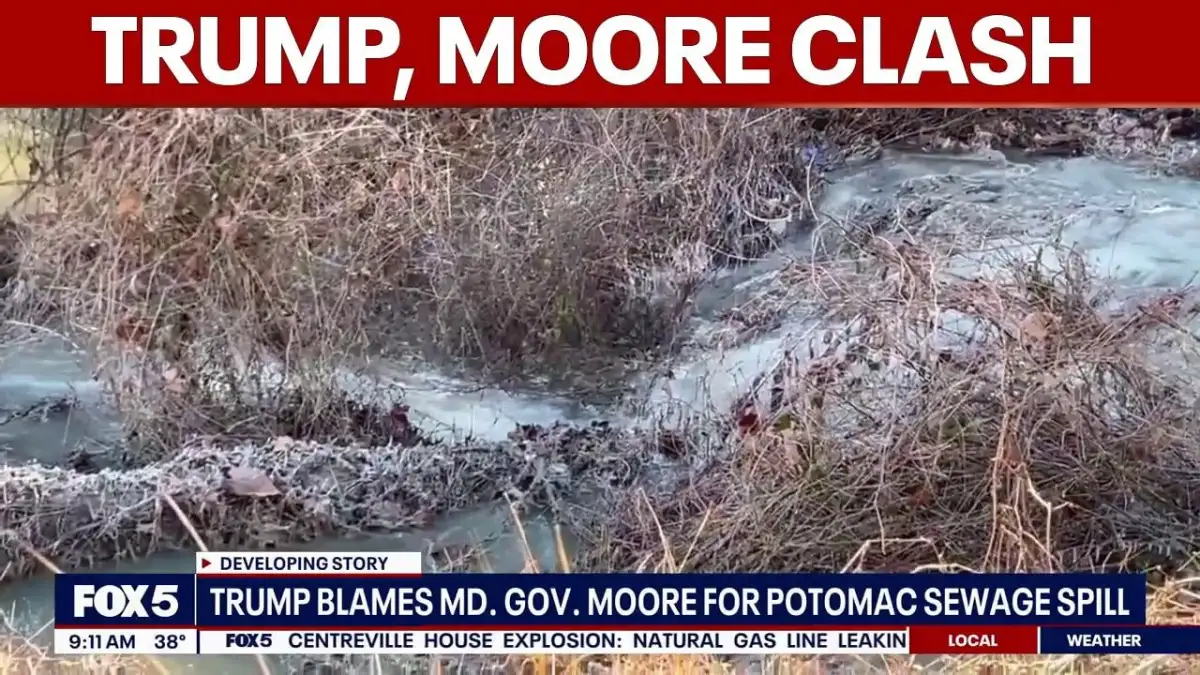
While efforts are being made to manage the incident, criticism has been directed at Maryland Governor [Governor's Name] regarding coordination.
Environmental and Public Health Impact
The immediate concern following the spill involves the ecological health of the Potomac River and the safety of public water systems.
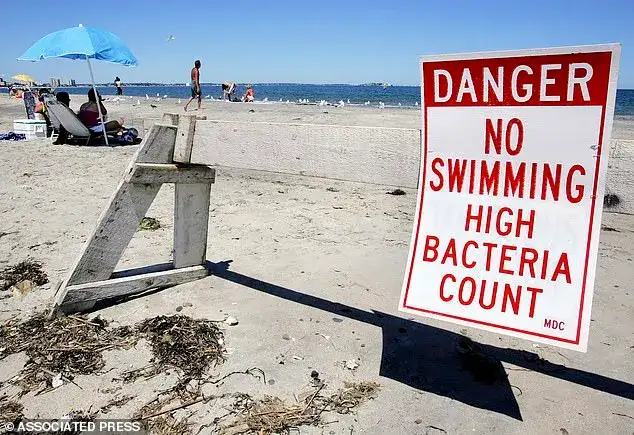
Public health officials have issued advisories warning residents to avoid direct contact with the river water.
However, officials have emphasized that the municipal tap water system is separate and has not been compromised.
Environmental experts have raised concerns about the long-term impact on the river's ecosystem.
DC Water crews are working on an enhanced bypass system to allow for emergency repairs on the damaged section of the pipeline.
Expert Perspectives and Analysis
The incident highlights the vulnerability of aging infrastructure in urban environments. The scale of the Potomac Interceptor and the environmental consequences of its failure underscore the need for proactive investment in water infrastructure. The current response, while addressing the immediate leak, also points to a broader challenge of ensuring the resilience of critical systems against environmental stressors and wear. The long-term implications for the Potomac's health will require sustained monitoring and potential remediation efforts.
Read More: Kanyakumari Atomic Mining Permit Extended for 1144 Hectares in 2026
Conclusion and Next Steps
Mayor Bowser's declaration of a public emergency and subsequent request for federal assistance represent a proactive step in addressing a significant infrastructure failure. The immediate focus is on containing the environmental fallout and ensuring public safety. The request for federal support targets critical areas:
Expanded Water Quality Monitoring: To thoroughly assess the extent of contamination.
Environmental Modeling and Engineering: To understand the spill's impact and devise effective repair and mitigation strategies.
Infrastructure Resilience: To accelerate improvements to the Washington Aqueduct and support ongoing projects like the Clean Rivers Project.
The incident is a stark reminder of the interconnectedness of urban infrastructure and environmental health. The ongoing response and the eventual repair of the Potomac Interceptor will be crucial in determining the short-term safety and long-term ecological recovery of the river. Future investments in infrastructure maintenance and upgrades will be paramount to prevent similar crises.
Sources:
Mayor.dc.gov: Official release from Mayor Bowser's office detailing the request for federal support and outlining immediate, near-term, and long-term actions.🔗 https://mayor.dc.gov/release/mayor-bowser-requests-federal-support-region-continues-respond-potomac-interceptor-break
WTOP News: Reports on Mayor Bowser's declaration of a public emergency and her request for federal support, mentioning coordination with various agencies and regional partners.🔗 https://wtop.com/dc/2026/02/dc-mayor-declares-public-emergency-requests-federal-support-in-potomac-river-sewage-leak/
AP News: Covers Mayor Bowser's emergency declaration and her request to the President for a Presidential Emergency Disaster Declaration, detailing the pipeline rupture and repair efforts.🔗 https://apnews.com/article/dc-sewage-spill-potomac-emergency-trump-bowser-d75634a6eb7407651b6cf1a8a735a655
NBC Washington: Details Mayor Bowser's local public emergency declaration and her request for a Presidential Emergency Disaster Declaration to secure federal funding and assistance.🔗 https://www.nbcwashington.com/news/local/mayor-bowser-declares-emergency-on-potomac-river-sewage-spill-to-get-federal-funding/4063196/
FOX 5 DC: Reports on Mayor Bowser declaring a local public emergency and requesting federal emergency assistance following the Potomac Interceptor break, noting efforts by DC Water.🔗 https://www.fox5dc.com/news/bowser-declares-emergency-seeks-fema-support-potomac-sewage-spill
Washington Morning: Highlights Mayor Bowser's state of emergency declaration to accelerate federal recovery funds and technical expertise, discussing public health advisories and environmental expert concerns.🔗 https://washingtonmorning.com/2026/02/19/mayor-bowser-declares-emergency-over-potomac-sewage-spill-to-secure-critical-federal-resources/