A Pragmatic Pivot to Expendable Airpower
The United States Central Command has initiated the operational deployment of its "Lucas" drone, a low-cost, expendable unmanned aerial system, for potential strikes within Iran. This development marks a significant tactical adaptation, utilizing technology reverse-engineered from Iran's own successful Shahed-136 drones. The FLM-136 Lucas system, developed in under two years, has already seen combat use, targeting Iranian military installations including weapons facilities and air defense infrastructure. Officials suggest these strikes contributed to a noted reduction in Iranian drone activity during the conflict's early stages.

This strategy signals a broader shift within the US military towards more affordable, scalable, and mass-producible weaponry, a move partly driven by concerns over the rapid depletion of traditional munitions in potential high-intensity conflicts, such as those simulated against China. The drone's design prioritizes rapid production and the ability to overwhelm adversary defenses through sheer numbers rather than relying solely on high-tech precision.
Read More: Air Force Major Detained for Calling for President's Impeachment
Technical Adaptations and Operational Context
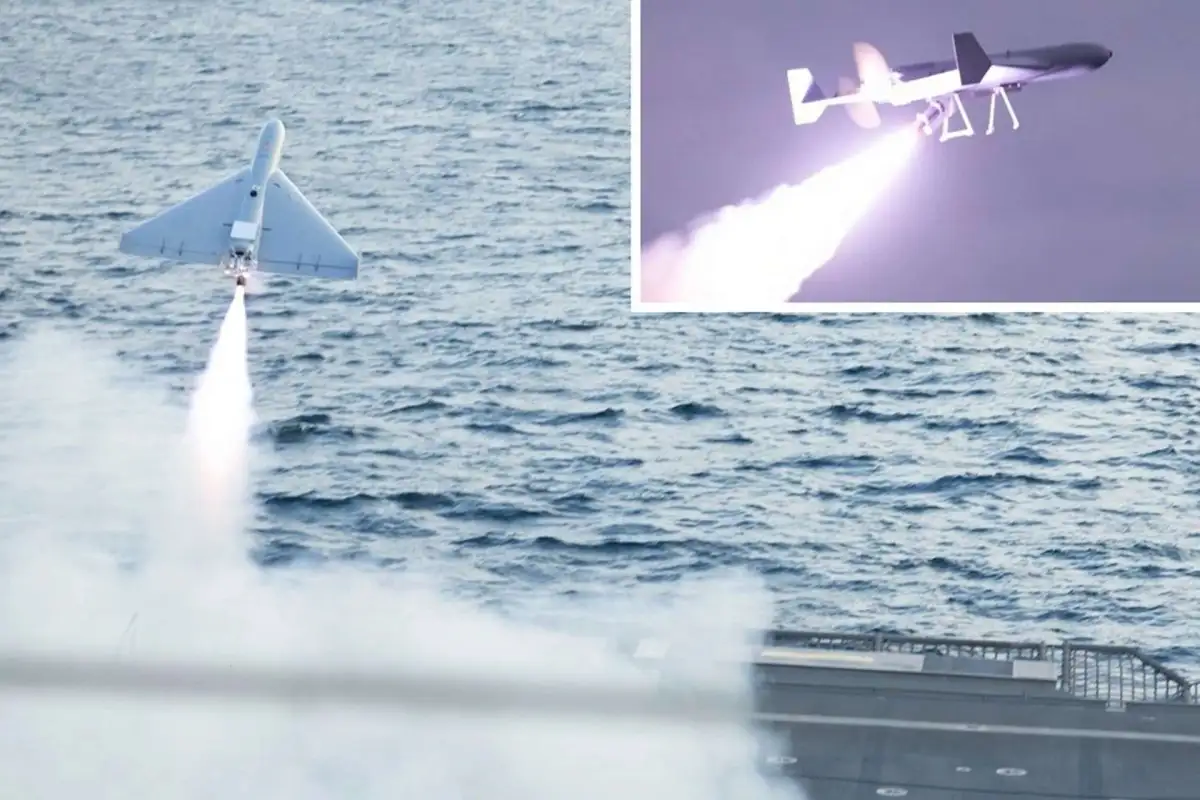
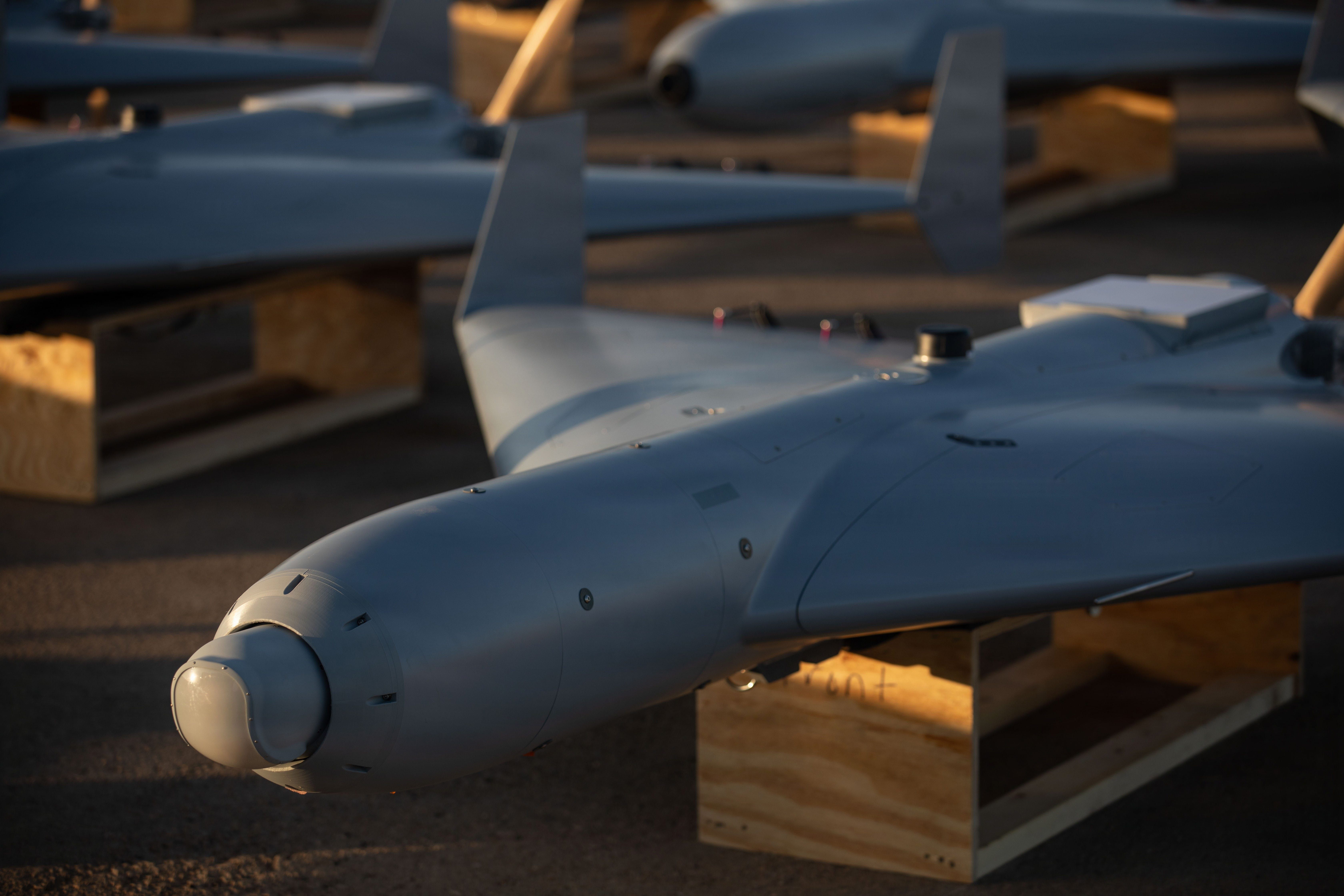
The Lucas drone, officially designated the FLM-136, shares a similar physical profile to the Shahed-136, though it is notably lighter, weighing approximately 81.5 kg (180 pounds) compared to the Shahed's 200 kg. Its payload capacity is also reduced, reportedly around 18 kg. A key advantage highlighted by military analysts is the Lucas's enhanced connectivity and re-tasking capabilities. Unlike the more pre-programmed Iranian drones, the Lucas system allows for mid-flight adjustments, target data updates, and more dynamic salvo coordination, even with intermittent satellite links. This is further augmented by American software engineering, suggesting an upgrade to the original Iranian design.

The drone's first confirmed combat deployment occurred on February 28th, as part of 'Operation Epic Fury', targeting Iranian Revolutionary Guard Corps command and control facilities, air defense systems, and missile and drone launch sites. The U.S. Navy also conducted its first ship-based launch of a Lucas drone in December, underscoring its potential for dispersed maritime operations.
Read More: AFP Reviews War Crime Claims Against Australian in Gaza
Implications and Lingering Questions
While the Lucas drone offers a cost-effective solution, with estimates suggesting a unit cost of around $35,000, its effectiveness against more sophisticated air defenses or in contested electronic warfare environments remains a subject of observation. Reports from Iranian media claim several Lucas drones have been downed, though these claims are unverified by US officials.
The rapid fielding of this "copycat" technology underscores both the Pentagon's capacity for agile adaptation and potential vulnerabilities in its current defense readiness. While the Lucas program addresses the need for scalable, expendable systems, concerns persist regarding broader gaps in counter-drone capabilities and the overall supply of modern, scalable military hardware for future, more complex conflicts. The conflict is increasingly characterized by the use of swarms of these less expensive, one-way attack drones, a tactic Iran has employed for years.
Read More: Pentagon Unites Drone Programs Under New Office
Background: The Drone Arms Race
The emergence of the Lucas drone is a direct response to Iran's widespread use of its Shahed series of drones, which have been utilized against Persian Gulf nations and are known for their long-range, one-way attack profiles. These drones, characterized by a delta-wing airframe and pusher propeller propulsion, have become a significant factor in regional conflicts, creating a persistent threat that traditional, high-cost interceptors struggle to counter sustainably. The development of Lucas represents an effort to 'hack' the enemy's own successful technological paradigm, turning a perceived threat into a tactical advantage through reverse engineering and rapid iteration. The origins of this program, however, trace back to broader US military planning for potential large-scale conflicts where traditional munition supplies could be quickly exhausted.