New decrees grant full protection to substantial portions of Chilean ocean, specifically around the Juan Fernández Archipelago and the Nazca-Desventuradas Marine Park. This expansion, totaling 946,571 square kilometers, now ranks as the third-largest fully protected marine area globally. The move is heralded as a significant step for conservation, aiming to safeguard endemic species and foster recovery of marine populations.

The recently enacted protections surround the Juan Fernández Archipelago and the Nazca-Desventuradas Marine Park, adding 360,000 km² of fully protected waters to an existing network of marine protected areas.

The initiative sees organizations like the Blue Marine Foundation, Pew Bertarelli Ocean Legacy, Island Conservation, and Fundación Patagonia Azul working alongside local communities, including the Organización Comunitaria Funcional Mar de Juan Fernández. These groups advocate that the expanded protections not only preserve marine biodiversity but also uphold their cultural heritage and traditional ways of life.
Read More: Amazon Land Use Changes Cause Disease Clusters in Brazil
A Haven for Endemic Life
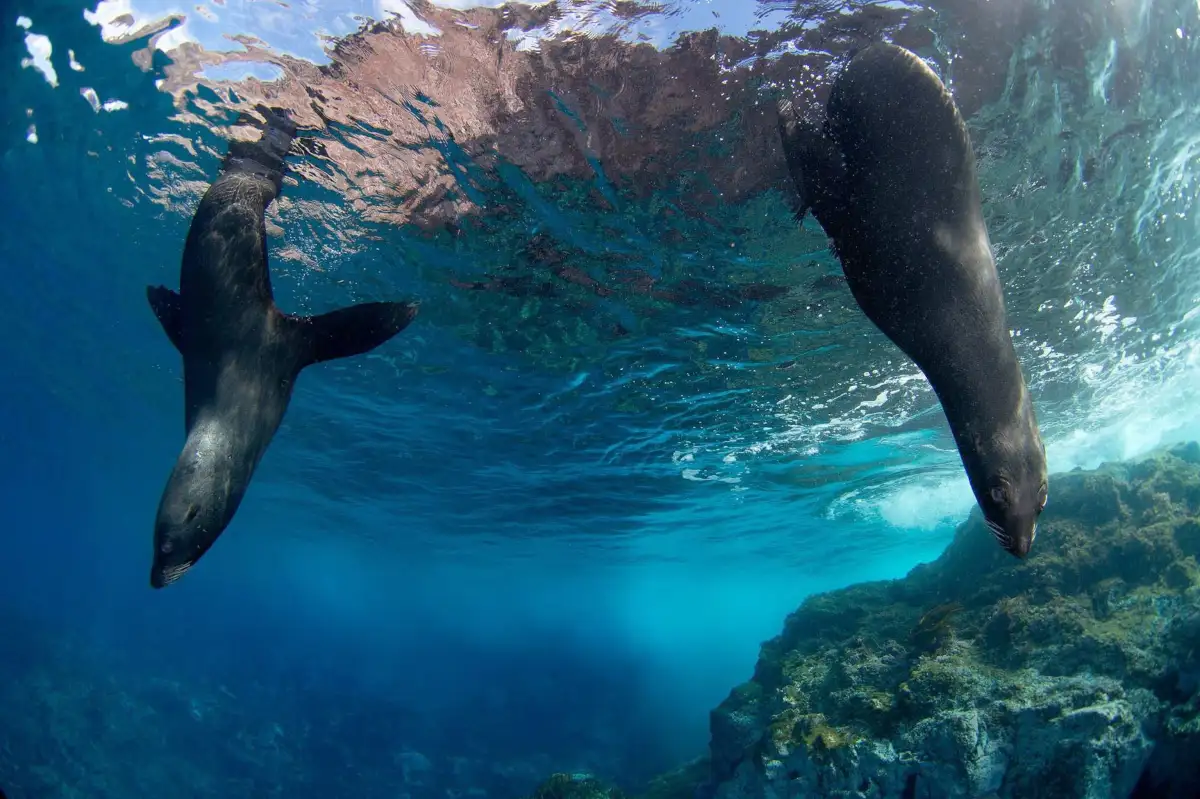
The waters around these remote island chains are recognized for their extraordinary concentration of unique marine species. Among these are the Juan Fernández fur seal, whose population has reportedly rebounded to an estimated 200,000 individuals, the Juan Fernández lobster, and the Juan Fernández octopus. These areas, characterized by seamount systems, provide crucial refuge and feeding grounds for these endemic inhabitants.
Scale of Protection
This recent expansion builds upon prior conservation efforts. The Nazca-Desventuradas Marine Park, first established in 2016, initially encompassed approximately 300,035 square kilometers. The combined protected area now represents a significant portion of Chile's maritime territory.
Broader Context
The creation of these expanded marine protected areas places Chile among global leaders in ocean conservation. This development echoes similar large-scale marine reserve formations by other nations, such as New Zealand's Kermadec region reserve and previous US marine sanctuary designations. The long-term implications for marine ecosystem resilience and the recovery of species like the "brink of collapse" mackerel are highlighted as critical outcomes.
Read More: Brazil's Population Over 221 Million in 2025, Largest in South America