A Pattern of Predation and Peril
Recent investigations point to the presence of killer whales as a probable driver behind mass dolphin strandings in Patagonia. Research, notably published in the 'Royal Society Open Science' journal, suggests that common dolphins may be driven into shallow coastal areas, such as San Antonio Bay, in an attempt to evade these formidable predators. The bodies of stranded dolphins have shown no immediate signs of injury from human activity, disease, or lack of food, prompting a closer look at their interactions with other marine life.
Videos and reports from social media and citizen science initiatives have become crucial in piecing together the events leading up to two significant stranding incidents in 2021 and 2023. These recordings have helped researchers establish a chronological presence of killer whales in the region, correlating their sightings with the mass strandings. Evidence indicates killer whales were present and actively hunting common dolphins prior to these events. Some researchers hypothesize that killer whales might even actively herd dolphin pods towards shallow bays, a tactic that could lead to the dolphins becoming trapped.
Read More: Tohorā Diet Study Boosted by New Zealand Beach Find
Escape Turned Entrapment
The shallow waters and complex geography of areas like San Antonio Bay, with its narrow channels and sandbanks, appear to be a double-edged sword for the dolphins. While these environments might offer a temporary refuge by potentially disrupting the killer whales' echolocation and movement capabilities, they ultimately lead to the dolphins becoming stranded. This phenomenon creates a dire lose-lose scenario, where escape from a predator results in entrapment and subsequent stranding.
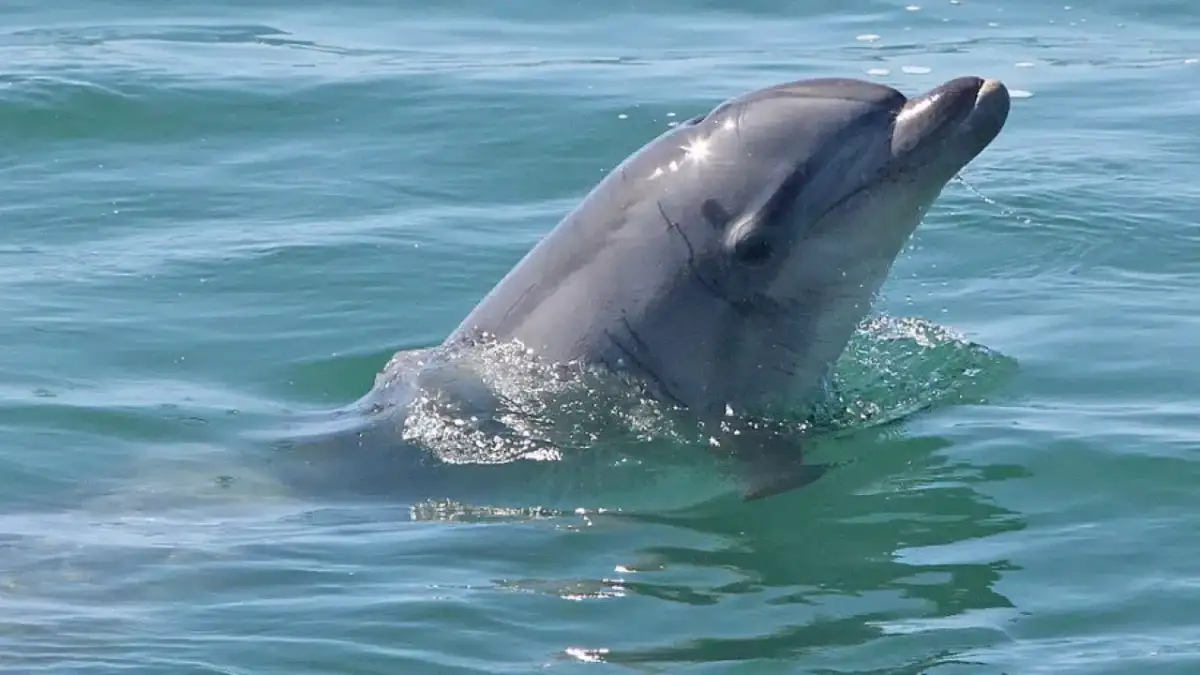
The research aims to shed light on poorly understood mass stranding events in the southwestern Atlantic. While mass strandings are noted as infrequent in this specific region, the findings suggest such predator-driven entrapments may occur more broadly, though often remain undocumented. The lack of recent meals found in the stomachs of some stranded dolphins further supports the theory that their desperate flight, rather than a pursuit of food, led to their predicament.
Read More: Brazil's Population Over 221 Million in 2025, Largest in South America
Context and Chronology
The study's findings challenge previous speculations about the causes of these strandings. By mapping the chronological presence of killer whales, researchers confirmed two instances where these apex predators were observed hunting and killing common dolphins. This correlation between killer whale activity and mass strandings provides a novel perspective on the dynamics at play in these marine ecosystems.
Magdalena Arias, affiliated with the National Council for Scientific and Technical Research of Argentina, has been instrumental in analyzing these events. The collective data, drawn from scientific observation and public contributions, underscores the complex interactions within marine food webs and the potential cascading effects of predator-prey relationships on cetacean populations.