Supply Shakes and Price Pangs
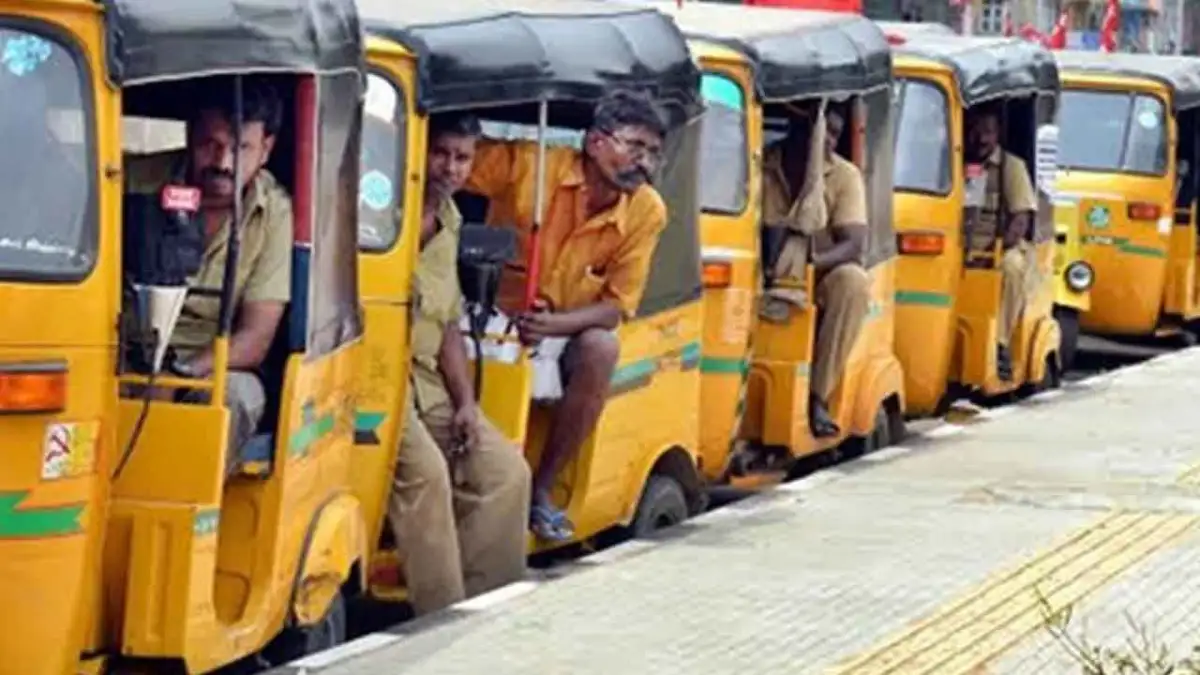
Autorickshaw drivers reliant on LPG fuel face anxieties over interrupted supplies and escalating prices, impacting their daily commutes and financial viability. Drivers articulate that while LPG offers better mileage compared to petrol – yielding around 22 km per kilogram versus petrol's 10-12 km per litre – a disruption in gas availability directly curtails their operational capacity. The meager three-litre petrol reserve serves only as an emergency backup, underscoring their dependence on LPG. This apprehension surfaces amidst the backdrop of a volatile geopolitical climate in West Asia and a subsequent uptick in liquefied petroleum gas costs.

A City's Grievances: Chennai's Strike and Scrutiny
Thousands of autorickshaw drivers in Chennai recently participated in a 12-hour strike, articulating a dual set of grievances: the mandatory integration of a QR code system and a protracted, unresolved demand for fare revision. The Greater Chennai Police’s directive for this QR code implementation, aimed at enhancing vehicle tracking and safety features like an SOS function, has been met with resistance. Union representatives contend that regulatory adjustments should not precede the resolution of their fundamental concerns regarding stagnant fares and challenging working conditions. The strike, spanning from 6 a.m. to 6 p.m., amplified the difficulties faced by commuters seeking alternative transportation.
Read More: Elizabeth Line Helps Londoners During Tube Strike on July 6

Long-Standing Unmet Demands
The drivers are advocating for a revised fare structure, proposing a minimum fare of Rs 50 for the initial journey, followed by Rs 25 for each subsequent kilometre.
A persistent demand also includes the establishment of a government-operated ride-hailing application.
The prohibition of bike taxis is another key demand being voiced.
Despite repeated dialogues between the fare-fixing committee and various auto unions, no concrete fare revision has materialized.
Wider Echoes: Fare Hikes and Commuter Complaints
The operational pressures and resulting fare adjustments are not confined to Chennai. In Noida, authorities are reportedly planning discussions with auto-rickshaw associations following spontaneous commuter protests. These protests erupted in response to fare hikes triggered by enforcement actions against overloaded autorickshaws, specifically targeting the removal of illegal front seats. This situation highlights a pattern of friction between drivers, regulatory bodies, and the commuting public over pricing and operational standards.
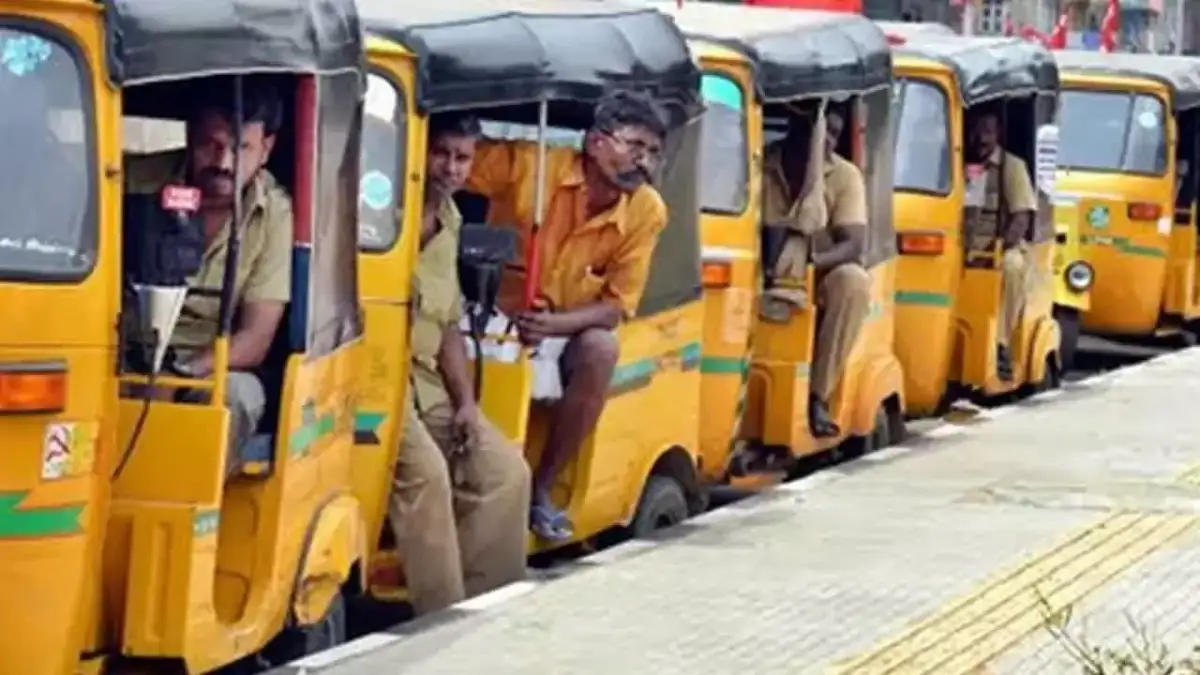
Similarly, in Bengaluru, autorickshaw unions are pressing for a fare increase. Their proposals include raising the minimum fare for the first two kilometres from the current Rs 30 to Rs 40, and escalating the per-kilometre charge from Rs 15 to Rs 20. The existing fare structure, last revised to Rs 30 for the first 2 km and Rs 15 per km thereafter, is viewed as insufficient by drivers. The implications of such a rise are expected to extend to ride-sharing platforms like Ola, Rapido, and Uber, which have been observed to charge fluctuating rates, sometimes significantly higher than the regulated fares.
Read More: Chennai Summer Temperatures To Rise By 1°C By 2040