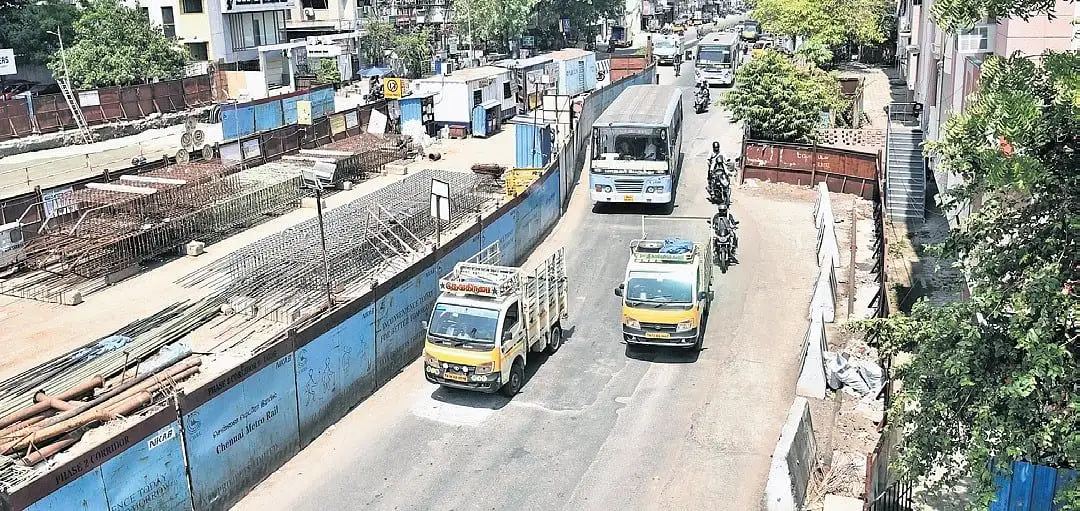
Villivakkam, a densely-populated urban constituency in Chennai, grapples with persistent civic deficiencies despite ongoing infrastructure developments. This complex urban fabric, a microcosm of the city's changing socio-economic structure, is home to a varied populace—from working-class families and government employees to small business owners and newer middle-class residents in apartment complexes. Historically a larger electoral division, Villivakkam's current configuration is the result of delimitation exercises that carved out neighboring constituencies like Ambattur and Kolathur. The area's identity remains strongly shaped by its significant working-class demographic, even as rapid development alters its physical and social contours.
The constituency presents a peculiar paradox. While arterial roads and burgeoning apartment complexes signal progress, underlying issues of waste management and basic infrastructure remain largely unaddressed. Residents report issues like untreated waste accumulating in canals, exemplified by the stench noted in areas like Agasthiyar Nagar. This highlights a significant disconnect between visible urban expansion and the actual quality of life for many inhabitants.
Read More: Hyderabad GHMC Clears Footpath Encroachments on April 18, 2026
Shifting Political Landscape Amidst Civic Concerns
As the Tamil Nadu Assembly elections approach, Villivakkam is set for a multi-cornered contest. Key players include the DMK, AIADMK, and the Tamilaga Vettri Kazhagam (TVK). The political landscape is further complicated by internal party dynamics, with candidates like Karthik Mohan of the DMK, son of the Anna Nagar MLA, facing off against Aadhava Arjuna of the TVK, a former DMK associate. The AIADMK's hopes initially rested on J.C.D. Prabhakar, a former two-time MLA. This dynamic suggests potential vote polarization, adding another layer of complexity to an election already overshadowed by unresolved civic matters.
Broader Urban Struggles Reflected
The situation in Villivakkam is not an isolated incident but mirrors broader patterns observed across several other constituencies in Tamil Nadu. Areas like Maduravoyal and Virugambakkam, while experiencing steady residential growth and fast development respectively, continue to struggle with lingering civic issues. Erode (East), a predominantly urban seat, faces similar pressures from economic activity and civic strain. Even more developed neighborhoods like Thousand Lights contend with significant traffic congestion, while Egmore residents weigh infrastructure upgrades against long-standing problems.
Read More: Chennai Summer Temperatures To Rise By 1°C By 2040
Across Chennai and beyond, the narrative is consistent:
Alandur: Witnesses the juxtaposition of modern transit like the Metro Rail against a lack of basic amenities such as piped drinking water and underground sewerage.
Thiruporur: An area marked by urban sprawl along the IT Corridor, where rapid apartment development outpaces the provision of essential civic amenities.
Tambaram: A key urban hub battling inadequate underground drainage, solid waste management issues, traffic snarls, and polluted water bodies despite strong connectivity.
Velachery: Residents demand urgent lake desilting, pointing to persistent flooding and underdeveloped infrastructure, a situation noted since its establishment as a separate constituency in 2008.
Kanniyakumari and Nagercoil: Coastal communities voice discontent, feeling that development efforts have been superficial and failed to address intended purposes.
Ooty: Faces challenges in its tourism and tea sectors due to urbanisation, pollution, poor planning, and a lack of tourist amenities, impacting visitor experiences.
Kurinjipadi: Voters here express a desire for non-polluting, agro-based industrial growth, indicating a preference for sustainable development strategies.
These diverse locations underscore a widespread concern: rapid urbanisation and infrastructure pushes often fail to adequately address fundamental civic needs, leaving residents to navigate a complex interplay of progress and persistent neglect.