Heated Debate Envelops Delimitation Bill and Women's Quota
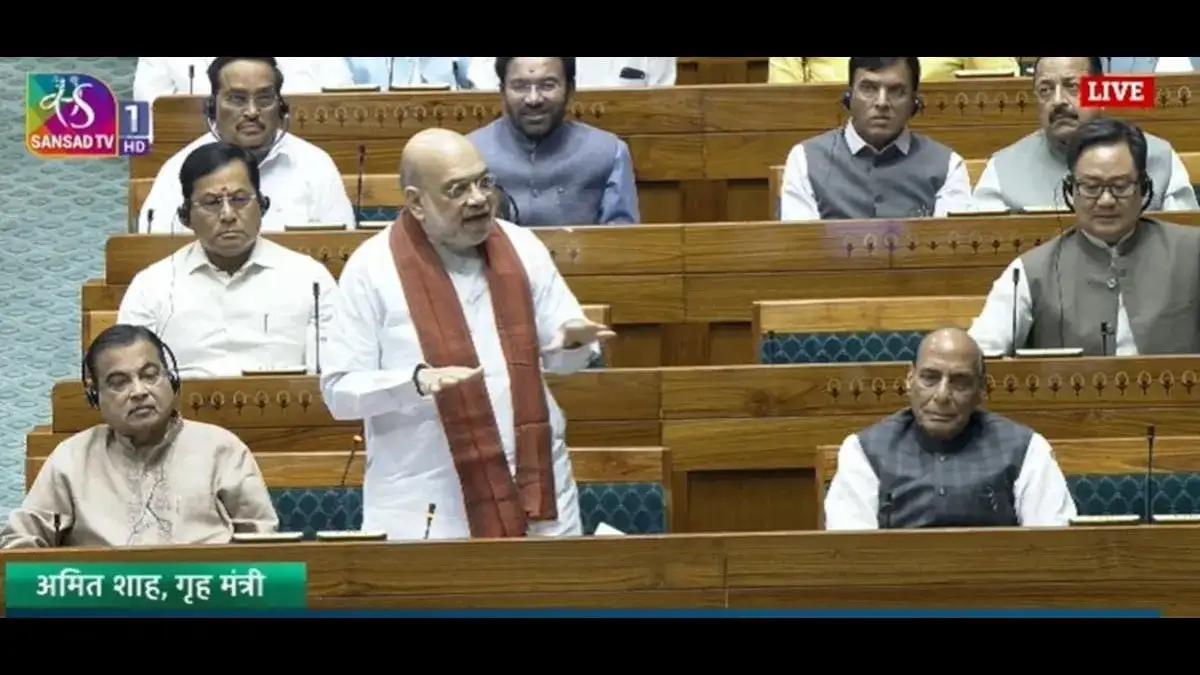
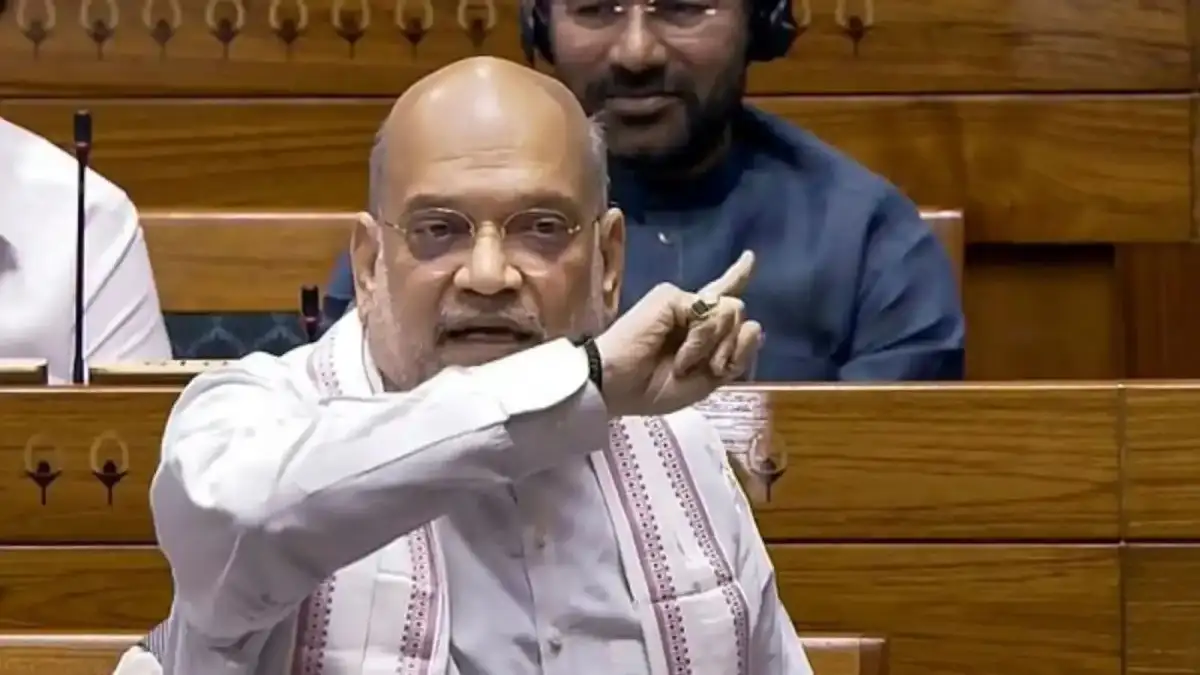
The ongoing special session of Parliament has become a stage for fierce exchanges, primarily centered around the proposed legislation for women's reservation and the linked delimitation exercise. Union Home Minister Amit Shah has been a vocal proponent, asserting that the delimitation process is not intended to diminish representation from southern states but rather to ensure equal representation as stipulated by the Constitution. He argued that opposing delimitation is tantamount to opposing an increase in seats reserved for Scheduled Castes and Scheduled Tribes.

Key government figures, including Amit Shah, have forcefully pushed the narrative that opposition to the delimitation bill is, in effect, opposition to increased representation for marginalized communities and a veiled attempt to stall women's empowerment.

During debates, Shah has accused the Congress of historically opposing delimitation and exhibiting "fake concern" for backward classes, while also lambasting their alleged "appeasement politics" and opposition to religion-based reservations. He pointed to the BJP's leadership, including its women chief ministers and the nation's first woman President, as evidence of commitment to women's leadership. The government has signaled its intent to implement these bills before the 2029 general elections, noting that the Census has already begun, with Phase 1 underway, and that all elections until 2029 will proceed based on the current seat allocation.
Read More: Hezbollah Ready on Lebanon Border Despite Calm

Opposition Cries Foul, Links Reservation to Electoral Map Alteration
Opposition parties, however, have raised significant objections, framing the delimitation bill as a "backdoor" mechanism potentially aimed at altering the electoral map. Concerns have been voiced about the timing of the special session and the linkage of women's reservation with the delimitation process, with some questioning the necessity of the latter when the focus should be on immediate implementation of the quota.

Congress leader Rahul Gandhi has been a prominent critic, suggesting the women's reservation bill is not truly about empowerment and accusing the government of "brutal, cruel, unforgiving" treatment of OBCs, Dalits, minorities, and women. He also accused the government of attempting to "take away representation" from southern, northeastern, and smaller states, sparking a significant uproar in Parliament over remarks he made concerning a "north-South divide."
Diverse Voices Emerge Amidst Political Crossfire
Amidst the charged atmosphere, other voices have also been heard. Union Minister Giriraj Singh alleged that the opposition attempted to mislead Parliament regarding the women's reservation bill. JMM MP Joba Majhi questioned the timing of the special session's focus on the women's quota. Congress MP Shashi Tharoor, while supporting the quota, expressed reservations about its immediate linkage with delimitation. BJP MP Hema Malini described the Women's Reservation Bill as a tribute to women's struggles.
Read More: DailyObjects Aims for ₹230 Crore Revenue by March 2026
Background and Context
The special parliamentary session is grappling with the proposed 131st Constitutional Amendment Bill, aimed at providing 33% reservation for women in Parliament and state legislative assemblies. This legislation is intrinsically tied to a delimitation exercise, which redraws constituency boundaries based on population. The government asserts that delimitation is necessary to implement the reservation effectively and to update parliamentary constituencies after a long freeze. However, opposition parties have questioned the necessity of linking these two processes, with some proposing that the reservation should be implemented based on the current number of seats. The debate also touches upon sensitive issues of regional representation and the historical implementation of reservations.
Read More: US Government Limits Prediction Market Use for Staff