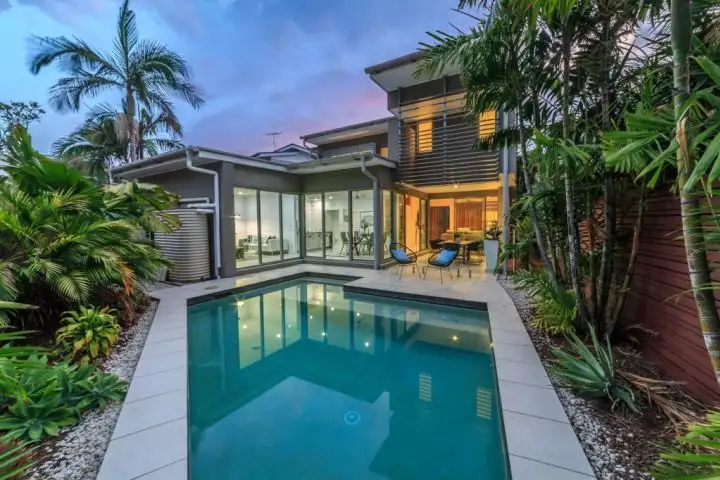
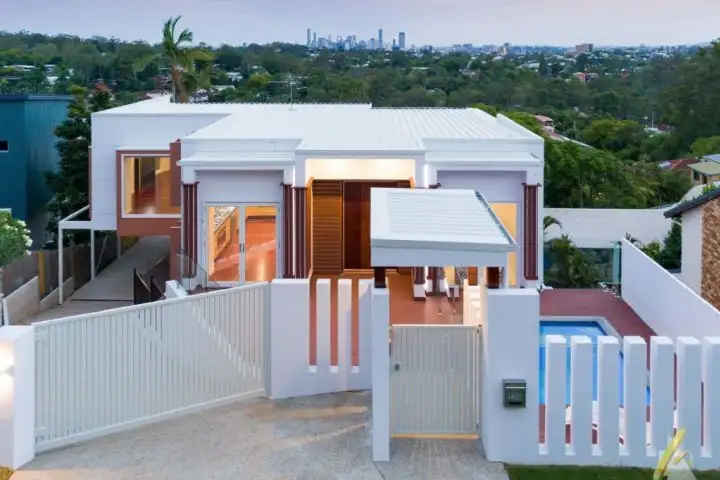
A four-bedroom Brisbane home sold at auction yesterday following a 90-minute bidding cycle, marking a significant suburb record. The sale, overseen by Brandon Wortley of Ray White Bulimba, indicates that owner-occupiers remain committed to premium residential assets despite broader macroeconomic instability.
The transaction underscores a widening divide between isolated record-breaking sales and a wider trend of market cooling defined by federal budgetary constraints and rising construction costs.
| Market Metric | Current Status | Contributing Factors |
|---|---|---|
| Auction Duration | 90 Minutes | Aggressive bidding competition |
| Clearance Rates | Low | Market weakening trends |
| Buyer Motivation | High | Value placed on blue-chip suburbs |
The auction length deviates from standard industry norms, suggesting intense competition for specific residential inventory.
AMP chief economist Dr. Shane Oliver identifies a contraction in the market, noting that the federal budget is currently exerting downward pressure on broader property valuations.
The property’s premium price is framed as a hedge against surging construction expenses rather than an indicator of a rising general market.
"It was a standout auction in a market that was beginning to feel the effects of the global conflict, rate hikes and now a federal budget that’s tipped to spark market changes." — Lazzaroni, auction observer.
The Duality of Market Performance
While this recent residential sale achieved a record, it sits in tension with data from 2019, where similar high-quality property auctions attracted crowds of up to 250 people, indicating that peak enthusiasm levels have shifted. Historically, property auctions have served as a barometer for high-quality, scarce real estate performance, even when wider market sentiment is negative.
This specific auction follows a pattern previously observed in high-value asset markets, such as the art market, where “marathon” sales processes are utilized to extract maximum value from select, high-demand assets during periods of uncertainty. The convergence of global economic conflict, interest rate volatility, and national fiscal policy creates a fragmented environment where records are broken not by general prosperity, but by the extreme protectionism of buyers seeking safe-haven assets.
Read More: North Epping house sells for $2.28 million on 6 April 2026