Bengaluru, India – The newly established five city corporations within the Greater Bengaluru Authority (GBA) have unveiled their inaugural budgets, collectively amounting to ₹20,216 crore. A significant takeaway from these initial financial blueprints is the explicit ambition to achieve 'self-sufficiency', a move aimed at reducing reliance on external government funding. The total projected tax revenue across all five corporations stands at ₹6,195.19 crore, highlighting a substantial gap that the corporations aim to bridge through various revenue-generating mechanisms, including municipal bonds.
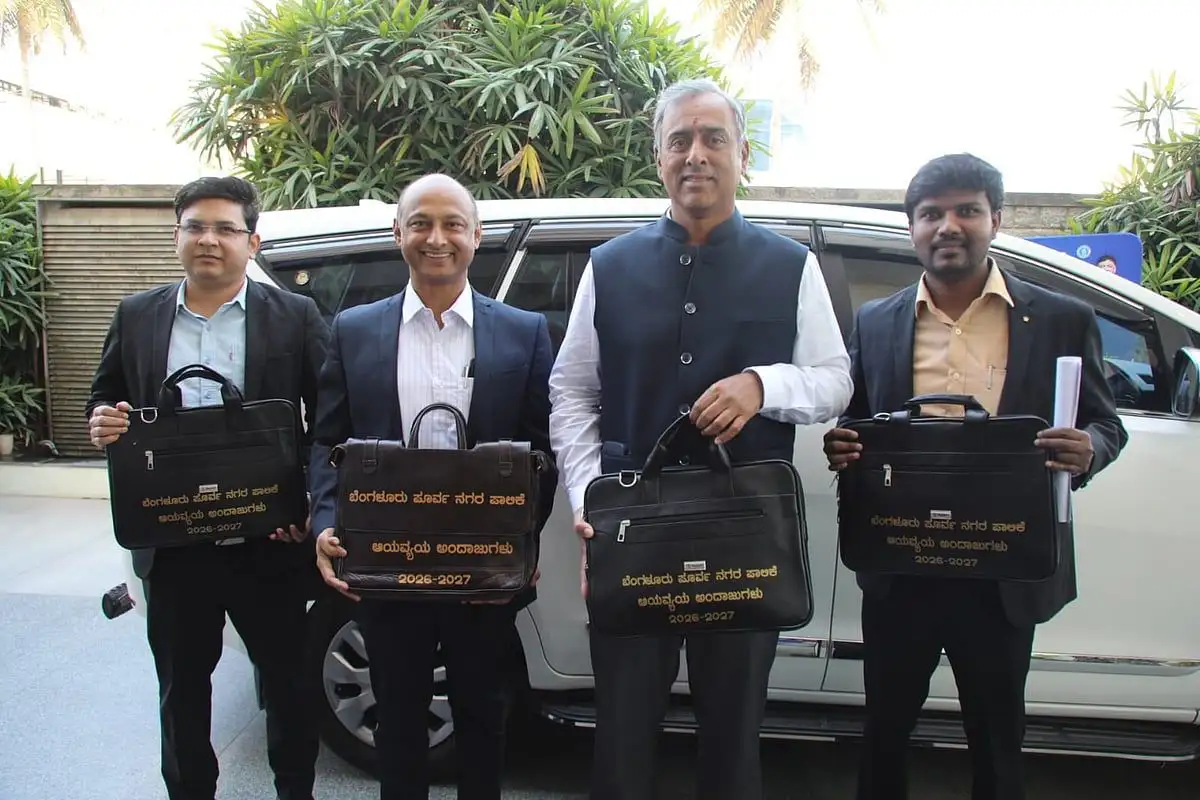
Each of the five corporations intends to raise ₹200 crore by issuing municipal bonds, a strategy expected to unlock an additional incentive of ₹26 crore each from the Union government. This concerted push towards financial independence comes amidst broader concerns about the long-term viability of split municipal bodies, echoing past experiences in other metropolises where such divisions were later reversed due to financial strain.
Read More: Solaris Energy SEI Stock Price Forecast Reaches $91.98 by July 2027

Divergent Fiscal Realities Emerge
While the overarching goal is shared, the budgets reveal a clear divergence in the earning capacities and expenditure priorities among the new entities. The East corporation, for instance, received the largest indicative allocation in a previous interim budget, suggesting a potentially higher revenue-generating base or greater projected needs. Conversely, other corporations show a more pronounced dependence on external support, hinting at varied developmental needs and economic landscapes across the city's newly demarcated administrative zones. This financial stratification implies that the path to self-sufficiency will not be uniform for all.

Infrastructure and Urban Development Take Center Stage
A common thread woven through all five budgets is a substantial allocation towards 'infrastructure boost' and urban development. Projects range from significant road widening initiatives across key arterial routes to the development and maintenance of urban lakes. Specific proposals include:

Road Works: Expenditures earmarked for widening stretches like Subramanyapura Road and sections along Begur Main Road.
Lake Development: Allocations for both the annual maintenance of existing lakes and the development of new ones, with a particular focus on lakes under the Bengaluru East City Corporation (BECC) jurisdiction.
Waste Management: A substantial sum designated for the Bengaluru Solid Waste Management Limited to cover collection, disposal, and development works.
Green Initiatives: Funding for rainwater harvesting systems in parks and the establishment of urban forests, underscoring a push towards environmental sustainability.
Traffic Decongestion: Projects such as road widening at Goraguntepalya junction, informed by Transit Oriented Development (TOD) principles.
A Governance Shift Amidst Electoral Uncertainty
The presentation of these budgets marks a significant moment in Bengaluru's civic governance, occurring for the sixth consecutive year in the absence of elected local councils. The Supreme Court's directive for elections to be completed by June 30 suggests that these maiden budgets might be interim in nature, with a possibility of revised allocations once elected representatives are in place. This situation underscores a period of transition, where administrative functions are being managed under the GBA framework, drawing upon reallocated funds from the erstwhile Bruhat Bengaluru Mahanagara Palike (BBMP) to cover operational expenses and existing commitments. The financial roadmaps laid out, while providing essential guidance, remain short-term projections in this evolving governance landscape.
Read More: New Bengaluru Green Line Metro Trains Arriving by August 2026

/newsfirstprime/media/media_files/2026/02/18/green-line-metro-2026-02-18-14-46-47.jpg)