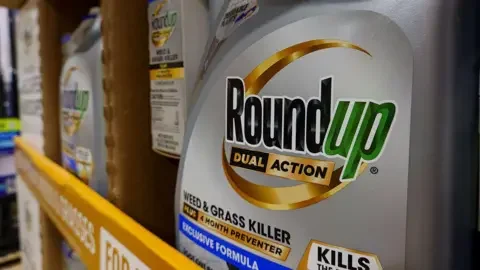
Bayer has offered a plan to pay $7.25 billion to settle thousands of legal cases involving its weedkiller, Roundup. The German company hopes this deal will resolve long-standing claims that the product causes a type of blood cancer called non-Hodgkin lymphoma. Since buying the American firm Monsanto, Bayer has struggled with the high cost of these lawsuits. This new offer comes at a critical time as the U.S. Supreme Court prepares to review a related case. The proposal aims to provide a clear path forward for both the company and the people seeking money for their illnesses.
The Timeline and Main Players
The legal struggle over Roundup has lasted for years. This latest offer is part of a plan to stop new and old lawsuits from taking more time and money.

The Company: Bayer, which bought Monsanto in 2018.
The Amount: $7.25 billion to be paid over a 21-year period.
The Location: The proposal was filed in the St. Louis Circuit Court in Missouri.
The Status: The deal is currently a proposal and needs a judge to approve it before it becomes official.
The Goal: To settle about 67,000 remaining cases and manage future claims.
Bayer intends to make most of the payments within the first five years, though the full plan spans over two decades.
Read More: Elon Musk's Terafab to Make Chips for Tesla and SpaceX by 2025
Financial and Legal Evidence
The details of the settlement show how Bayer plans to manage its money while dealing with legal risks.

Payment Structure: Payouts will decline in size over the 21-year window.
Market Reaction: After the news, Bayer's stock price increased by 7.35% on the German stock market (DAX).
No Guilt: Bayer stated that this agreement is not an admission that they did anything wrong or that the product is dangerous.
Product Availability: Roundup remains for sale online and in large retail stores despite the legal costs.
"The settlement would eliminate some of the risk from an eventual and uncertain Supreme Court ruling — both for Bayer and for patients seeking damages." — Associated Press Report
Views on Safety and Responsibility
| Topic | Bayer's Position | Plaintiffs' Position |
|---|---|---|
| Product Safety | Maintains that Roundup is safe and ingredients are well-tested. | Claim that exposure to the weedkiller caused non-Hodgkin lymphoma. |
| Legal Strategy | Hopes for a Supreme Court victory but wants a settlement for certainty. | Seeking immediate payments for medical bills and suffering. |
| Business Impact | High legal costs may stop the sale of the product in U.S. farming. | Argue that the company must be held accountable for health risks. |
The Choice Between Court and Settlement
The company is currently waiting for the U.S. Supreme Court to look at a separate Roundup case. If Bayer wins there, it could help them in other trials. However, CEO Bill Anderson mentioned that the company still needs this large settlement.
Does this move suggest that Bayer is unsure of a total victory in the highest court? By offering $7.25 billion now, the company may be trying to avoid the chance of even larger losses later. While the company says the weedkiller is safe, the high number of ongoing cases has made the legal system feel "broken" to company leaders.

Expert Analysis
Bill Anderson, the CEO of Bayer, has been vocal about the need for a "milestone" to move the company past these legal issues. Analysts from financial reports note that the stock price jump shows that investors prefer a known cost (the settlement) over the unknown cost of thousands of individual trials.
Read More: Love Story TV Show Makes Gen Z Buy Carolyn Bessette 90s Clothes in 2024
However, legal experts point out that the 21-year payment schedule is unusually long. This raises a question: Will the people currently suffering from cancer be able to wait for these long-term payments? The court will have to decide if this timeline is fair to those who are sick now.
Final Summary of the Situation
The proposed $7.25 billion settlement represents a major attempt by Bayer to stabilize its future. If the court approves the deal, it will start a 21-year process of paying out claims to people diagnosed with non-Hodgkin lymphoma who used Roundup.
Key Findings: Bayer denies the product is harmful but is willing to pay billions to stop the lawsuits.
Next Steps: A judge in Missouri must review and approve the "class settlement" plan.
Uncertainty: It is not yet clear how a Supreme Court ruling might change the terms of this deal or if the deal will move forward if Bayer wins its court case.
Information Sources
BBC News: Report on the 21-year payment structure and cancer links. Link
CBS News: Details on Bayer's denial of liability and product availability. Link
LA Times/AP: Focus on the St. Louis Circuit Court filing and agricultural market risks. Link
Drugwatch: Coverage of the Supreme Court's involvement and future lawsuit management. Link
The Sanford Herald: Data on stock market performance and the number of outstanding cases. Link


:max_bytes(150000):strip_icc():focal(748x433:750x435)/Ben-Stiller-Tropic-Thunder-030626-tout-e839e387a76447fab95e16449e7fab05.jpg)