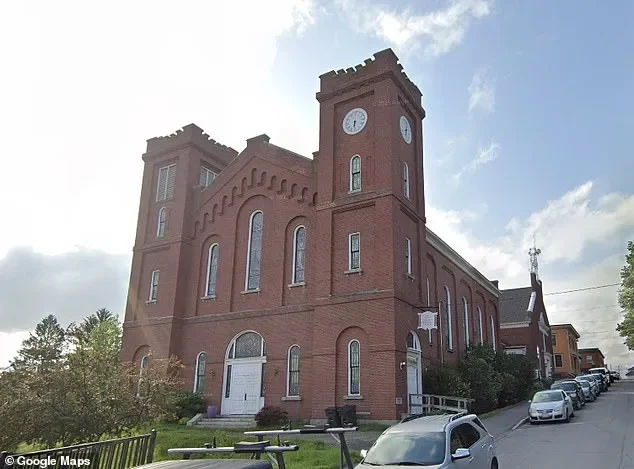
BANGOR, ME – A six-month pilot program initiated in February at Park Street United Methodist Church in downtown Bangor has ignited controversy, with some residents claiming the distribution of clean syringes has led to increased public litter and negatively impacted local commerce. The program, operated in partnership with the harm reduction nonprofit Needlepoint Sanctuary, provides clean syringes and addiction-related services.

Local business owners and some residents argue that the church's initiative, aimed at harm reduction, has inadvertently created a public nuisance, citing streets strewn with discarded syringes. Tricia Quirk, a real estate broker and boutique hotel owner, stated that the program's presence near her businesses is disrupting downtown commerce.
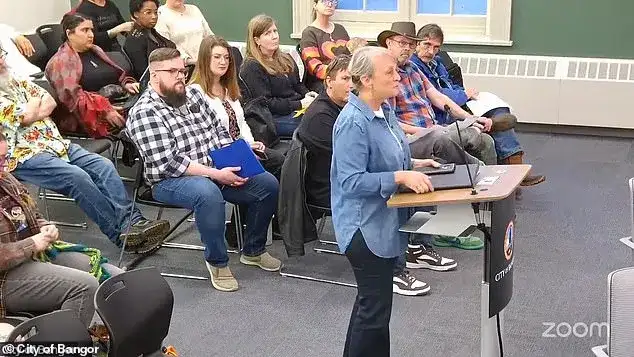
Scott Parady, another resident, expressed a conditional support for harm reduction, suggesting the program should strictly operate on a "needle for needle" exchange basis. He believes that while harm reduction is important, the current model lacks a critical element of reciprocity.
Read More: India IVF Costs And Social Barriers Limit Access In April 2026
Park Street United Methodist Church defends the program as a "public good," emphasizing the broader services offered by Needlepoint Sanctuary beyond just syringe distribution. These services aim to address various aspects of addiction, though specifics on their scope and effectiveness within the program's context remain a point of contention for critics.

The initiative in Bangor is part of a wider trend of community-based harm reduction efforts. Similar programs across the country grapple with balancing public health goals against community concerns regarding safety and aesthetics. The current pilot program is slated to conclude after its initial six-month run, with its future dependent on an evaluation of its impact and community feedback.