)
A recent referendum in Bangladesh has seen a clear majority of voters endorse the "July Charter," a comprehensive package of 84 reforms including 47 constitutional amendments. The charter, voted on alongside the 13th parliamentary elections, aims to significantly alter the country's governance structure.
Key Proposals in the July Charter:
Bicameral Parliament: Establishment of a new 100-seat upper house, with seats allocated based on national vote share to promote fairer legislative power.
Prime Minister Term Limits: Introduction of limits on how long a prime minister can hold office.
Caretaker Government: Restoration of a non-partisan caretaker government to oversee general elections.
Institutional Independence: Granting financial and administrative independence to bodies like the Anti-Corruption Commission, Human Rights Commission, and Information Commission.
Increased Women's Representation: Provisions for greater participation of women in parliament.
Strengthened Presidency: Enhanced powers for the president in institutional appointments.
Official Recognition of Mother Tongues: While Bengali remains the state language, other mother tongues spoken in Bangladesh will receive official recognition.
Referendum Details:
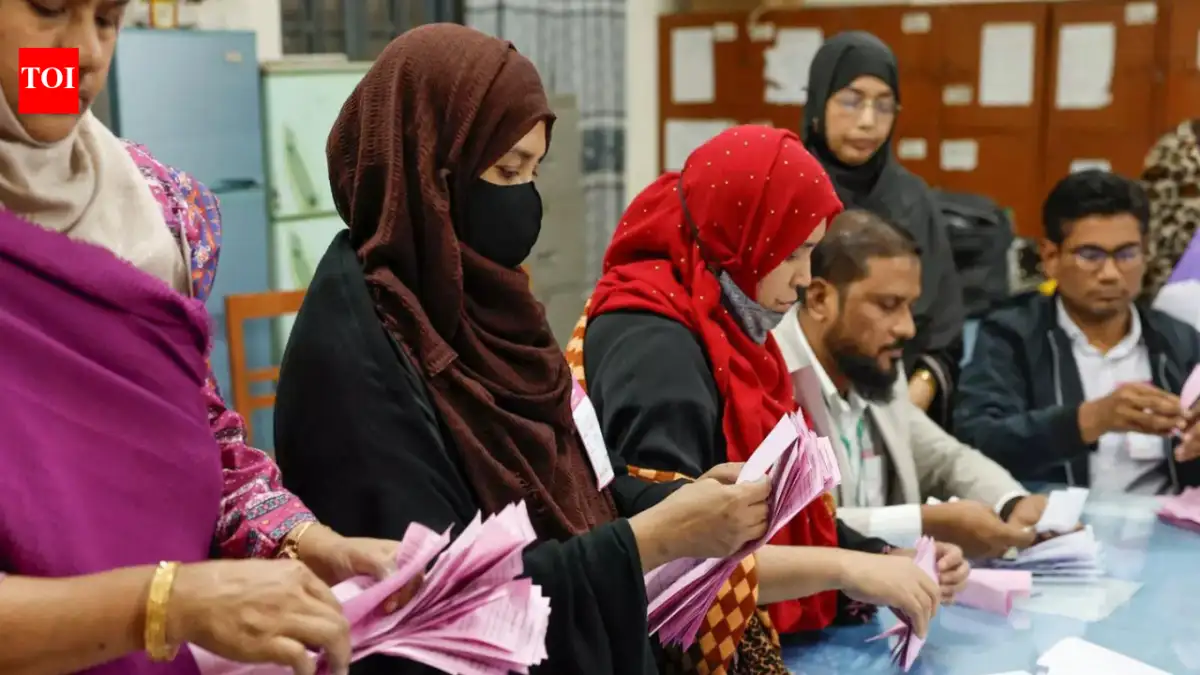
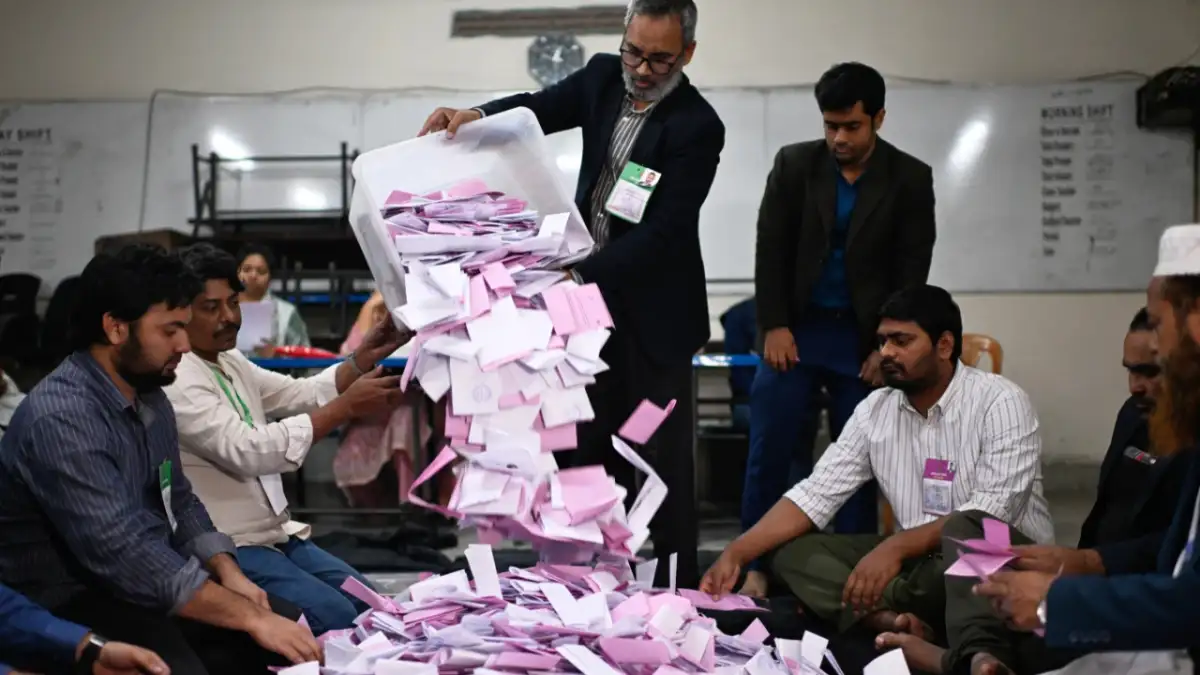
The referendum saw a voter turnout of 60.26%. Official figures indicate that 48,074,429 people voted "yes," while 22,565,627 voted "no." The question posed to voters was: "Do you express your consent to the July National Charter (Constitutional Reform) Implementation Order, 2025 and to the following proposals regarding constitutional reforms recorded in the July National Charter?"
Public Mandate for Change
The overwhelming public endorsement of the July Charter signifies a broad desire for significant political and administrative restructuring. This vote occurred concurrently with the 13th parliamentary elections, where the Bangladesh Nationalist Party (BNP) and its allies secured a decisive victory. The interim government, led by Chief Adviser Muhammad Yunus, had previously urged citizens to support the charter, emphasizing its role in legitimizing these far-reaching changes.
Read More: Taiwan Holds Nantou County Drills to Prepare for State Collapse

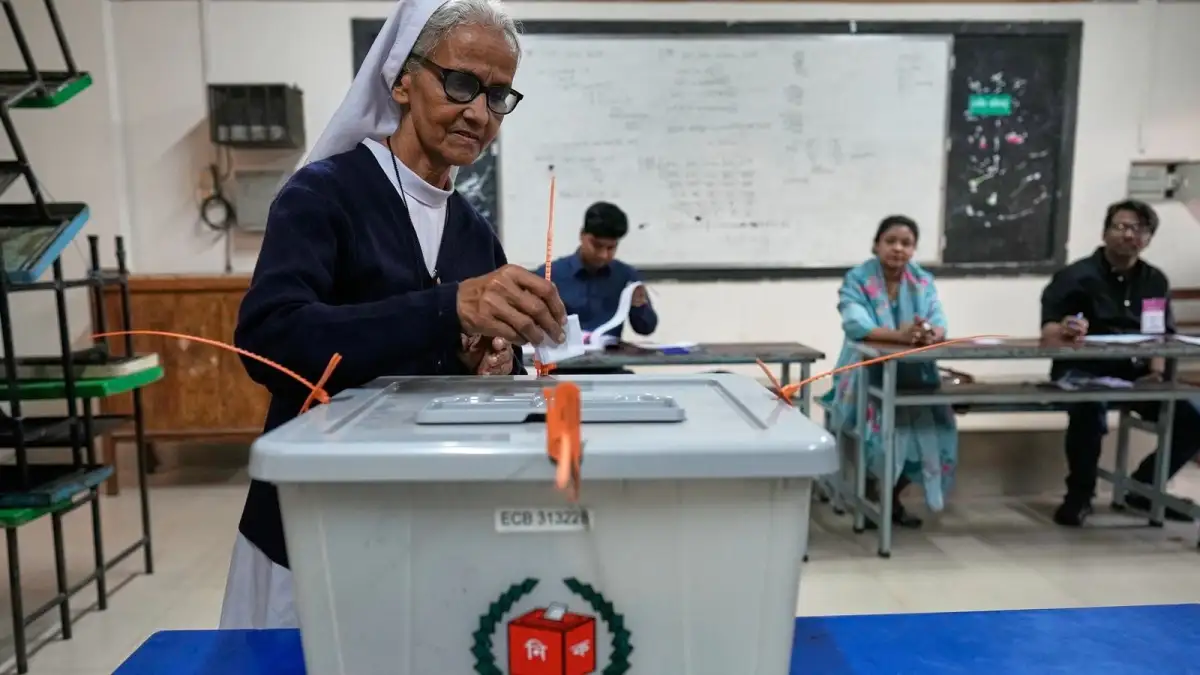
The referendum asked voters to approve the adoption of the July Charter.
Interim leader Muhammad Yunus advocated for public backing of the charter to legitimize constitutional shifts.
The vote for the charter followed a period of significant political upheaval, including student-led protests in July 2024 that led to the ousting of the previous administration.
Key Reform Pillars of the July Charter
The July Charter proposes a wide array of changes, impacting multiple facets of governance. These reforms are designed to address systemic issues and enhance accountability.
Governance and Electoral Reforms
Caretaker Government: A return to a non-partisan caretaker government system is a central tenet, intended to ensure neutrality during electoral periods.
Bicameral Legislature: The creation of an upper house with 100 seats aims to balance legislative power by allocating seats based on party vote share.
Prime Minister Term Limits: A two-term limit for the prime minister is intended to prevent prolonged power accumulation.
Institutional and Anti-Corruption Measures
Independent Commissions: The charter seeks to grant full financial and administrative independence to key bodies, including the Anti-Corruption Commission (ACC), Human Rights Commission, and Information Commission.
Public Service Commission Restructuring: The existing Public Service Commission would be divided into three separate entities: Public Service Commission (General), Public Service Commission (Education), and Public Service Commission (Health).
Public Administration Reform Commission: The establishment of an independent and permanent body to oversee reforms in public administration is planned.
Representation and Rights
Increased Women's Representation: The charter includes provisions to enhance the presence of women in parliament.
Opposition Roles: Opposition leaders are slated to head key parliamentary committees and serve as deputy speaker.
Recognition of Mother Tongues: All mother tongues spoken in Bangladesh are to receive official recognition, alongside Bengali as the state language.
Actors and Timeline
The development and approval of the July Charter are intertwined with recent political events in Bangladesh.
| Actor/Entity | Role/Action | Timeline (Relevant to July Charter) |
|---|---|---|
| Bangladesh Voters | Voted "yes" in the July Charter referendum. | February 12, 2026 (alongside elections) |
| Bangladesh Nationalist Party (BNP) | Won a landslide victory in the 13th parliamentary elections; allied with other parties supporting the Charter. | February 12, 2026 |
| Tarique Rahman | Leader associated with the BNP's electoral success. | - |
| Muhammad Yunus | Interim leader, urged public support for the Charter; Chief Adviser of interim government. | Advocated for Charter's adoption. |
| Interim Government | Formed after protests; pledged and facilitated constitutional reforms. | Took charge August 2024; formed reform commission October 2024. |
| National Consensus Commission | Classified reform points beyond constitutional amendments for implementation via laws and executive orders. | - |
| Election Commission | Announced referendum results; stated voter turnout and "yes" vote majority. | Announced results February 16, 2026. |
| National Reform Commission | Formed to make recommendations for constitutional, electoral, and administrative reforms. | Formed October 2024. |
Expert Perspectives
Analysts suggest the referendum outcome reflects a deep-seated public desire for a more equitable and accountable governance system. The inclusion of provisions such as prime minister term limits and a caretaker government system points to an effort to prevent a recurrence of past political instability.
"The referendum results signal a profound public appetite for institutional reform and a recalibration of power dynamics within the state apparatus." - Implied from analysis of the charter's aims and voting results.
The proposed bicameral parliament, with representation tied to national vote share, is viewed as a mechanism to foster more balanced legislative input. Similarly, granting independence to key commissions is seen as a move towards strengthening the rule of law and combating corruption.
Read More: Measles Deaths Rise to 495 Amidst Many New Cases
Implications and Next Steps
The "yes" vote on the July Charter mandates significant institutional changes across Bangladesh. The newly elected Parliament is expected to function as a Constitutional Reform Council, tasked with implementing these reforms within 180 working days. The process will involve translating the Charter's proposals into actionable laws, regulations, and executive orders.
Constitutional Amendments: 47 amendments will need to be processed to enact the Charter's provisions.
Implementation of Reforms: The newly formed government is obligated to implement the 84 reform points agreed upon by 30 political parties.
Future Referendums: Any future reforms to the caretaker system will require further approval through a national referendum.
The successful implementation of the July Charter could represent a substantial shift in Bangladesh's political landscape, aiming for greater transparency, accountability, and democratic participation.
Sources Used:
NDTV: https://www.ndtv.com/world-news/70-bangladeshis-voted-yes-to-july-charter-what-does-it-mean-11001022 (Published 1 day ago) - Reports on the referendum outcome and the Charter's meaning, noting 70% support and key reforms.
Zee News: https://zeenews.india.com/world/bangladesh-votes-yes-to-july-charter-what-it-is-and-how-it-will-transform-power-3017360.html (Published 14 minutes ago) - Details the Charter's transformative potential, highlighting term limits for PM and the bicameral parliament.
News18: https://www.news18.com/world/bangladesh-votes-yes-to-july-charter-what-it-means-and-what-changes-now-9901685.html (Published 2 days ago) - Covers the "yes" vote alongside the BNP's electoral victory and the interim leader's call for support.
The Times of India: https://timesofindia.indiatimes.com/world/south-asia/explained-what-is-bangladeshs-july-charter-referendum-and-what-it-proposes/articleshow/128289871.cms (Published 2 days ago) - Explains the Charter's proposals, including bicameralism, caretaker government, and independent commissions.
Firstpost: https://www.firstpost.com/explainers/bangladesh-referendum-2026-election-july-charter-constitutional-reforms-explained-13979308.html (Published 2 days ago) - Discusses the restructuring of the Public Service Commission and enhanced presidential powers for appointments.
News24 World: https://news24online.com/world/what-is-the-july-charter-70-percent-bangladeshis-voted-yes-to-in-february-12-polls-term-limits-for-pm-bicameral-legislature-bangladesh-election-results-2026-tarique-rahman-bnp/747035/ (Published 1 day ago) - Details the Charter's 84 reforms, including increased women's representation and opposition roles in parliament.
Times Now: https://www.timesnownews.com/world/asia/bangladesh-says-yes-to-july-charter-referendum-what-is-it-explained-article-153605697 (Published 2 days ago) - Summarizes the Charter's key reforms, including the caretaker government, bicameral parliament, and term limits.
WION: https://www.wionews.com/world/what-is-july-charter-whats-next-for-bangladesh-as-voters-say-yes-to-constitution-reforms-1770993187458 (Published 2 days ago) - Discusses the implications of the "yes" vote, highlighting term limits, women's representation, and enhanced presidential powers.
Dhaka Tribune: https://www.dhakatribune.com/bangladesh/election/403268/yes-wins-in-referendum-on-july-charter (Published 3 days ago) - Reports on the referendum question and the consensus proposals agreed upon by political parties.
The Indian Express: https://www.indianexpress.com/article/world/bangladesh-referendum-results-july-national-charter-constitutional-reforms-explained-10530509/ (Published 2 days ago) - Explains the referendum ballot question and the context of interim government formation after protests.