
Stakes in Indo-Pacific Security Elevated by Major Defence Investment
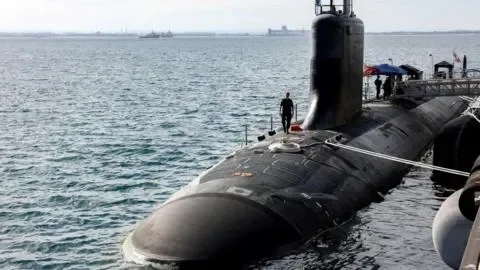
Australia has announced a significant financial commitment, pledging $30 billion towards the expansion of the Osborne Naval Shipyard in South Australia. This investment is a crucial step in fulfilling the nation's obligations under the AUKUS security pact, a trilateral agreement with the United States and the United Kingdom. The expansion aims to transform the shipyard into a facility capable of constructing nuclear-powered submarines, marking the project as Australia's largest defence undertaking to date. The decision comes amid growing strategic concerns within the Indo-Pacific region, with reports indicating the United States' Pentagon has provided approval for the substantial AUKUS deal.

Detailed Context: A Submarine Project with Broad Implications
The commitment was jointly announced by Prime Minister Anthony Albanese and South Australian Premier Peter Malinauskas. The Osborne Naval Shipyard will undergo a three-stage development to accommodate the construction of nuclear-powered submarines. This endeavor involves complex engineering, particularly concerning the integration of sealed nuclear reactors.
Read More: India's Defence Ministry approves ₹52,000 crore on Friday for new Army and Navy tech
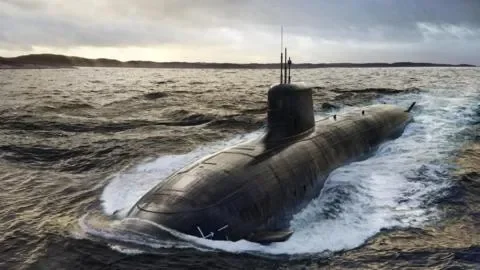
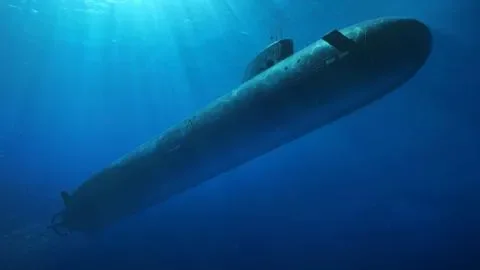
Under the AUKUS framework, Britain and Australia will collaborate on building a new class of submarine, the AUKUS-class, utilizing American technology. This initiative is part of a broader effort to bolster high-tech military cooperation between the US, Australia, and the UK. The aim is to counter the expanding influence of China in the Indo-Pacific.
Beyond submarine construction, the AUKUS alliance is fostering connections with other nations, including South Korea, New Zealand, and Canada, on advanced technology projects. This expansion into a "second pillar" of the alliance signifies a widening scope of cooperation on items like underwater drones and electronic warfare.
Evidence of Commitment and Scope
Financial Pledge: Prime Minister Albanese and Premier Malinauskas officially committed $30 billion to the shipyard's expansion.
Shipyard Transformation: The Osborne Naval Shipyard will be developed into a Nuclear-Powered Submarine Construction Yard, a multi-stage process.
AUKUS-Class Submarines: The project involves the joint construction of a new submarine class, incorporating US technology.
Regional Tensions: The investment occurs as tensions grow in the Indo-Pacific region.
Pentagon Approval: Reports indicate the Pentagon has green-lit the AUKUS deal, valued at an estimated $368 billion.
Shipyard Development: A Complex Undertaking
The construction of the specialized shipyard is recognized as a significant undertaking. Premier Malinauskas highlighted the highly complex nature of the yard's development, particularly the sections designated for the installation of sealed nuclear reactors. This technical challenge underscores the advanced capabilities required for the project.
Read More: Hunter Region Gets $12 Billion Train Factory
AUKUS: A Broadening Security Alliance
The AUKUS pact is extending its reach beyond its initial three members. Discussions and planned collaborations are underway with countries such as South Korea, New Zealand, and Canada. These partnerships focus on developing and integrating advanced technologies, creating what is described as a new pillar within the alliance. This includes advancements in areas like underwater drones and electronic warfare, demonstrating a strategic focus on countering specific technological advancements in the region.
Expert Analysis: Strategic Importance and Regional Dynamics
While specific expert quotes were not directly available in the provided text, the nature of the AUKUS agreement and the substantial investment suggest a strategic imperative driven by the evolving security landscape. The emphasis on nuclear-powered submarines and advanced technologies points to a long-term vision for maintaining strategic deterrence and technological parity in the Indo-Pacific. The reported Pentagon approval further validates the seriousness with which the United States views the pact's role in regional security architecture. The alliance's expansion into new technological areas and with new partners suggests a multilateral approach to addressing complex security challenges.
Read More: India Approves ₹52,000 Crore Military Hardware Deals
Conclusion: A Definitive Step in Regional Defence Strategy
Australia's $30 billion investment in the Osborne Naval Shipyard signifies a concrete and substantial commitment to the AUKUS security pact. This expansion is fundamental to the program's objective of producing nuclear-powered submarines, a capability of immense strategic importance. The project's complexity, coupled with its role in a rapidly evolving Indo-Pacific, underscores the significant defence posture shift Australia is undertaking. The alignment with US and UK technological advancements and the expansion of partnerships suggest a deliberate strategy to address perceived regional imbalances. The ultimate success of this ambitious project will hinge on navigating the considerable technical, logistical, and diplomatic challenges involved.
Sources
Sky News Australia: "Labor plunges billions into submarine shipyard in South Australia." Published 6 hours ago. https://www.skynews.com.au/australia-news/politics/albanese-and-malinauskas-governments-commit-30-billion-to-nuclear-submarine-shipyard-in-south-australia/news-story/7f093a01324185d4c8f4afe6f1f5f31e
9News: "AUKUS - 9News - Latest news and headlines from Australia and the world." Seen on Bing. https://www.9news.com.au/aukus
BBC News: "Aukus." Published October 22, 2025. https://www.bbc.co.uk/news/topics/cml8xj5kl4mt