


Australia's recent foray into the women's T20 international series against India commenced with significant challenges, culminating in a loss in the opening match. The encounter, held in Sydney, was notably impacted by inclement weather, forcing the implementation of the Duckworth-Lewis-Stern (DLS) method. India ultimately secured a victory, taking an early lead in the multi-format series, while Australia's batting lineup faced considerable pressure.

Context of the Series Opener
The first women's T20 international between Australia and India, played in Sydney, was characterized by disruptive rain showers. Play was halted with India at 50/1 in the 5.1 over, having a target of 134. The DLS par score at the time was 29, indicating India held a considerable advantage. Prior to the stoppage, India's bowling and fielding efforts were described as "brilliant," despite a couple of dropped catches. Australia was restricted to 133 runs in 18 overs by Harmanpreet Kaur's team.
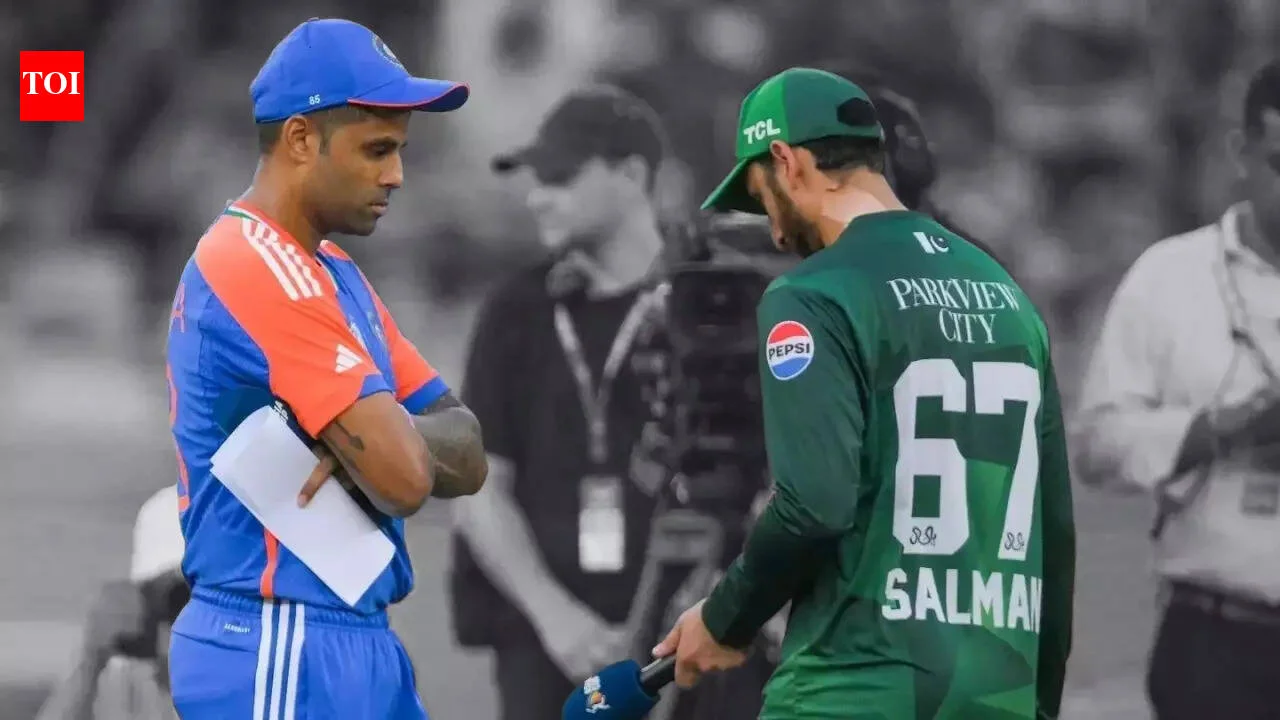
Read More: India and Pakistan Captains Do Not Shake Hands at T20 World Cup Match

Batting Performance Under Scrutiny
The summary of the match highlights Arundhati Reddy's strong performance with the ball, taking four wickets, which contributed to India's success. The focus on the Australian team's batting performance suggests a need for reassessment, especially in the context of early dismissals and the inability to set a competitive total against India's bowlers. The rain-affected nature of the match, while influencing the final outcome via DLS, does not entirely obscure the team's batting struggles.

India's Momentum and Australia's Position
India's victory in the first T20I positions them favorably in the ongoing multi-format series. The result signifies a challenging start for Australia, as they now trail in the series. The early lead for India could exert additional pressure on the Australian team as the series progresses.

Wider Trends in Australian Cricket
Recent reports indicate a recurring theme of batting difficulties for Australian teams across different formats. For instance, in a separate context, the Australian men's T20 team suffered their heaviest ever defeat in a warm-up match prior to the T20 World Cup, losing the series 3-0 to Pakistan. This included a record loss, highlighting broader concerns about the team's performance against strong opposition.
Read More: Australia Will Soon Require Health Star Ratings on Packaged Foods
Furthermore, discussions surrounding Australia's Test opening positions have frequently revolved around player selection and recent batting performances. Usman Khawaja's omission from a recent Ashes Test, despite a career-best knock, pointed to averages below his usual standards. Candidates for opening spots have been evaluated based on Sheffield Shield performances and A-team matches, underscoring the ongoing search for stability at the top of the order.
Expert Commentary and Analysis
While specific expert quotes directly addressing the women's T20 opener are not available in the provided data, the recurring patterns in batting collapses across various Australian teams suggest a subject of ongoing concern for analysts and fans alike. The performance in the women's T20 opener against India, particularly the batting effort, warrants close examination in light of these trends.
Conclusion and Future Implications
The loss in the first women's T20 international against India presents an immediate hurdle for the Australian team. The performance, influenced by weather conditions and a strong showing from India, suggests that Australia's batting lineup needs to find greater consistency and resilience. As the multi-format series continues, the team will aim to rectify these issues and challenge India's early advantage. The broader context of batting challenges faced by Australian teams in recent times underscores the significance of this series opener and its potential implications for future team selections and strategies.
Read More: India and Pakistan Cricket Captains Do Not Shake Hands at Toss
Sources Used:
The Guardian: https://www.theguardian.com/sport/live/2026/feb/15/australia-v-india-womens-t20-international-live - Live match report providing details of the women's T20 opener.
Indian Express: https://www.indianexpress.com/article/sports/cricket/india-women-vs-australia-women-1st-t20i-live-cricket-scorecard-ind-w-vs-aus-w-live-updates-at-sydney-cricket-ground-10533027/ - Live score updates and summary of the women's T20 international.
cricket.com.au: https://www.cricket.com.au/news/4420360/why-usman-khawajas-omission-could-spell-new-era-for-aussie-openers-ashes-third-test-adelaide-travis-head-jake-weatherald - Article discussing player selection and batting performance in the context of the men's Test team.
ABC News: https://www.abc.net.au/news/2026/02/02/australia-suffer-heaviest-t20-defeat-ahead-of-world-cup/106294032 - Report on Australia's record T20 defeat in Pakistan.




)