A plan to send British warships to the Arctic has been announced, signalling a shift in the United Kingdom's defence strategy. This move comes as the UK also looks towards closer economic ties with the European Union. The deployment is intended to bolster security in a region of growing strategic interest, prompted by recent statements and changing geopolitical dynamics.

Context of the Deployment
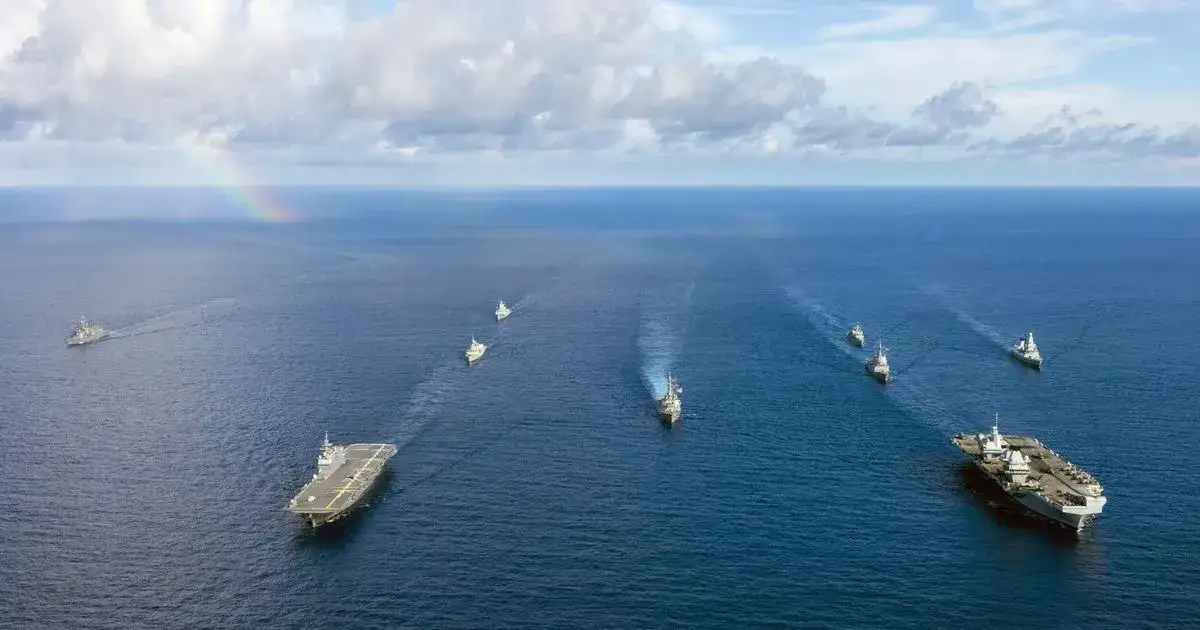
The announcement was made by Prime Minister Keir Starmer at the Munich Security Conference. The deployment of a UK carrier strike group to the North Atlantic and High North region is planned for later this year. This initiative is presented as a response to rising security concerns, particularly those involving Russia and China in the Arctic.
The timing of the announcement follows threats made by Donald Trump regarding Greenland, a Danish territory and NATO ally. Trump's remarks raised questions about the security of the region and the commitment of allies.
Starmer's speech also addressed the UK's relationship with the EU, stating that the current "status quo is not fit for purpose." He indicated a desire for "deeper economic integration" and a move "closer to the single market" in certain sectors, while acknowledging potential "trade-offs."
The Prime Minister reaffirmed the UK's commitment to NATO's core principles, specifically Article 5, which stipulates that an attack on one member is an attack on all. This was framed as a direct response to uncertainties raised about allied commitments.
Rationale for Arctic Presence
The decision to deploy naval assets to the Arctic is multifarious, drawing upon concerns ranging from military threats to economic opportunities.
Read More: India's Defence Ministry approves ₹52,000 crore on Friday for new Army and Navy tech

Geopolitical Tensions: The increased assertiveness of Russia and the growing presence of China in the Arctic have been cited as key drivers for enhanced NATO and UK visibility. The region is seen as increasingly important for global trade routes and resource access.
Allied Security: The deployment is presented as a demonstration of solidarity with NATO allies, particularly Denmark, which governs Greenland. It aims to reassure partners and deter potential aggressors.
Economic Considerations: While defence is the primary focus, the Arctic's growing importance for global trade and resources underscores the long-term strategic value of maintaining a presence in the region.
European Integration Aspirations
Parallel to the defence initiative, Starmer outlined a vision for recalibrating the UK's economic relationship with the European Union.
Beyond the Status Quo: The current post-Brexit arrangement is deemed insufficient, prompting a search for closer economic alignment.
Single Market Proximity: The ambition to move "closer to the single market" suggests a desire to ease trade barriers and enhance economic cooperation, though this is acknowledged to involve difficult decisions and concessions.
Strategic Alignment: This economic overture, combined with the military deployment, suggests a broader strategy of re-engaging with European partners on multiple fronts.
Expert Insights
"The Arctic is a critical frontier, and any shift in military posture there demands careful observation. The UK's deployment, alongside its expressed desire for closer EU ties, suggests a complex strategic recalibration."— A defense analyst, speaking on condition of anonymity due to current political sensitivities.
"Starmer's speech attempts to thread a needle: reinforcing hard security through military presence while signalling a willingness to mend economic fences with Europe. The challenge lies in balancing these potentially divergent objectives."— A political commentator focused on UK-EU relations.
Conclusion and Implications
The UK's decision to deploy warships to the Arctic is a significant foreign policy development, signaling a proactive stance on security in a strategically vital region. This action is interwoven with a clear indication of intent to pursue closer economic integration with the European Union, suggesting a two-pronged approach to enhancing the UK's global standing.
The implications of these moves are substantial:
Enhanced Defence Posture: The Arctic deployment will strengthen the UK's military presence in a contested area, potentially influencing regional stability and deterring adversaries.
Economic Realignment: The overtures towards the EU signal a potential shift in the UK's economic policy, with implications for trade, industry, and international economic relationships.
Geopolitical Signaling: Both actions send clear messages to international partners and rivals about the UK's priorities and its willingness to adapt to a changing global landscape.
Further observation will be necessary to assess the full impact of these announcements on regional security dynamics and the future of UK-EU economic relations.
Sources Used: