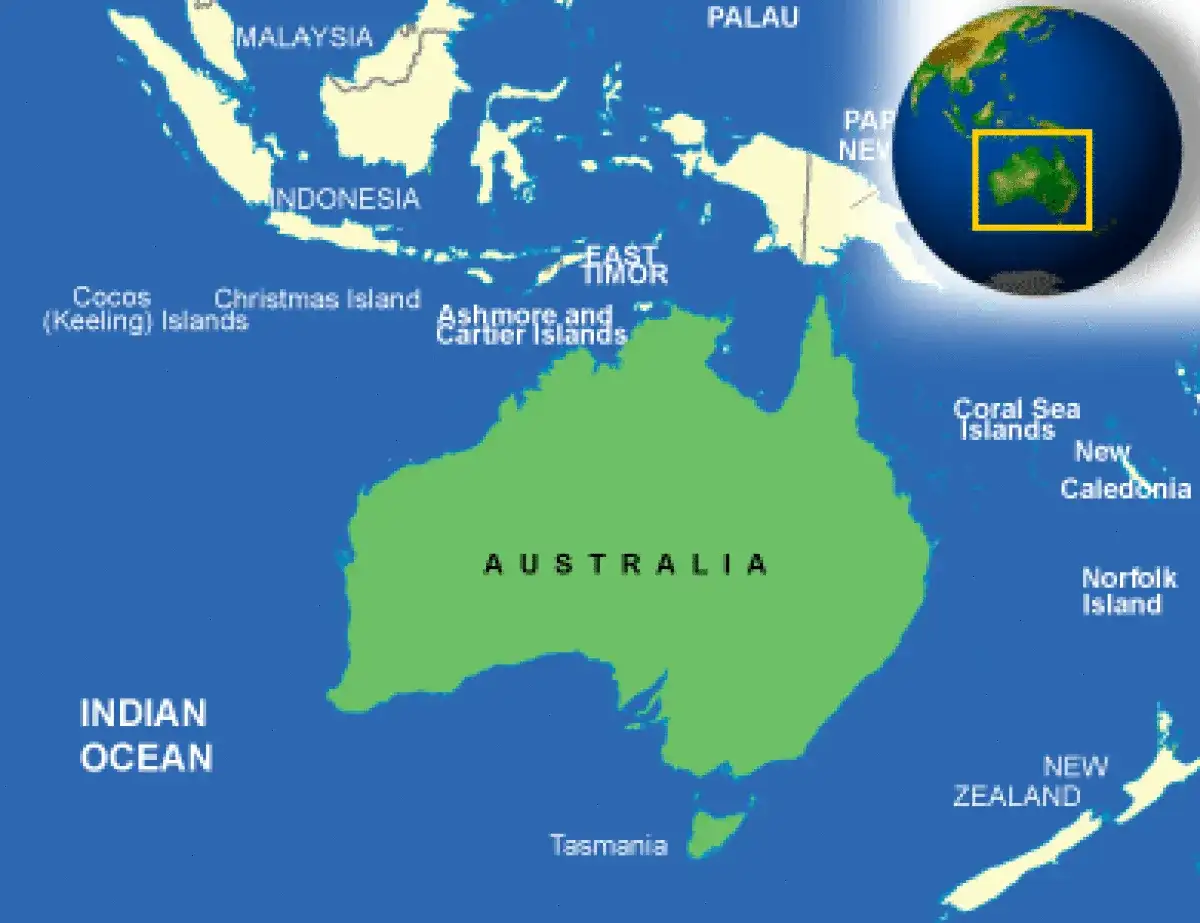
Australia has initiated a deployment of an E-7A Wedgetail airborne early warning aircraft to the United Arab Emirates, a move intended to bolster airspace monitoring across the Persian Gulf. This deployment, alongside the provision of advanced medium-range air-to-air missiles, signals Australia's engagement in a region increasingly destabilized by Iranian drone and missile attacks. The decision follows significant escalations, with the UAE reporting the interception of over 1,500 rockets and drones and damage to regional radar infrastructure.
The Australian government's stated objective is to assist Gulf nations in defending themselves and to aid in the safe return of stranded Australians. Prime Minister Anthony Albanese emphasized the purely defensive nature of this military contribution, asserting that Australia is not a participant in offensive actions. This deployment is framed as a measure to protect civilian infrastructure and maintain open airspace amidst the escalating conflict.
Read More: Ukraine gets 100 Patriot missiles with $1 billion EU loan for defense
Rationale and Scope of Deployment
The E-7A Wedgetail, described as a leading reconnaissance and command aircraft, will operate from the UAE to enhance the detection of incoming threats, particularly drones and cruise missiles. The provision of air-to-air missiles is intended to equip the UAE with direct defensive capabilities. Both Prime Minister Albanese and Defence Minister Richard Marles have reiterated that Australia will not commit ground troops to Iran, limiting its involvement to aerial surveillance and missile support.
Context of Regional Instability
This Australian initiative comes as the conflict in the Persian Gulf region intensifies. The escalation has had significant economic repercussions, including the effective closure of the Strait of Hormuz, a vital shipping lane for global oil and liquefied natural gas. The ongoing attacks have necessitated increased defensive measures by nations bordering the Gulf, prompting this Australian response.
Read More: Gulf Oil Exports Rise in June but Still Below Pre-War Levels
Travel Advisories and Consular Support
Concurrently, Australian citizens in the Middle East face continued advisories against travel to several nations, including Bahrain, Iran, Iraq, Israel, Kuwait, Lebanon, Palestine, Qatar, Syria, the UAE, and Yemen. The Department of Foreign Affairs and Trade's crisis portal remains active for Australians in specific affected countries. Consular support is being provided to assist travellers seeking to leave the region.