

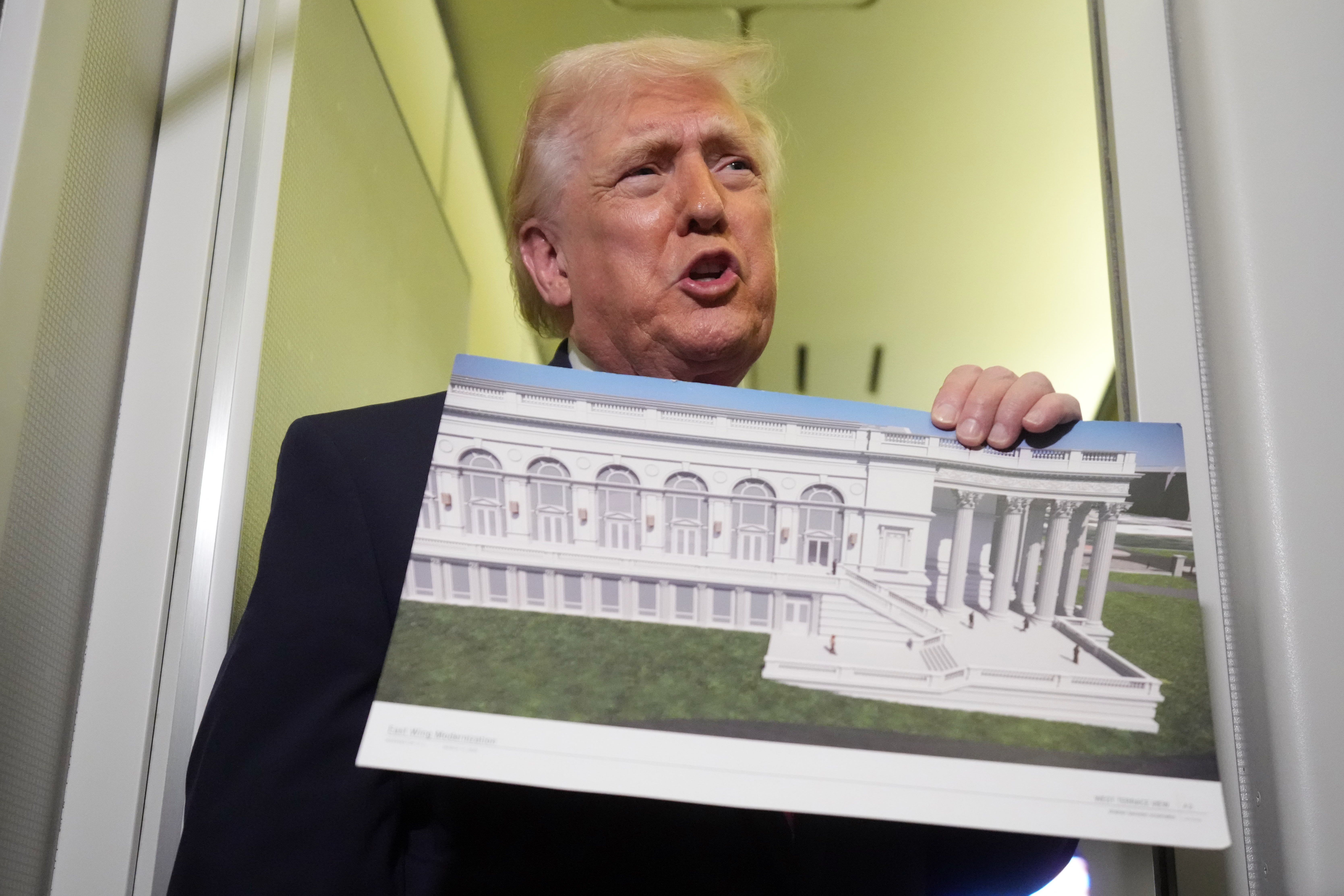
The executive branch is currently facing a dual collapse: systemic administrative insolvency and operational paralysis at critical border and transit nodes. Donald Trump stated in a recent engagement that the U.S. government lacks the functional capacity to maintain essential social programs—specifically Medicaid, Medicare, and daycare—citing the demands of ongoing military operations in Iran. Simultaneously, the Houston airport (IAH) is experiencing severe disruptions as 36% of TSA personnel have vacated their posts, forcing the National Deployment Office to ship in outside staff to handle passenger screening.
Operational Disarray
| Sector | Crisis Manifestation | Response Mechanism |
|---|---|---|
| Social Welfare | Explicit executive doubt on fiscal viability | Rhetorical deprioritization |
| Aviation Security | 36% absenteeism at IAH checkpoints | Federal deployment of ICE agents |
| Administration | Congressional deadlock on DHS funding | Senate proposals to isolate ICE divisions |
The administration is utilizing ICE and Homeland Security agents as stopgaps at 14 major airports to manage congestion caused by the staffing exodus.
Negotiations between Senate Republicans and Democrats remain gridlocked over the funding of the Department of Homeland Security, specifically regarding the inclusion of deportation mandates.
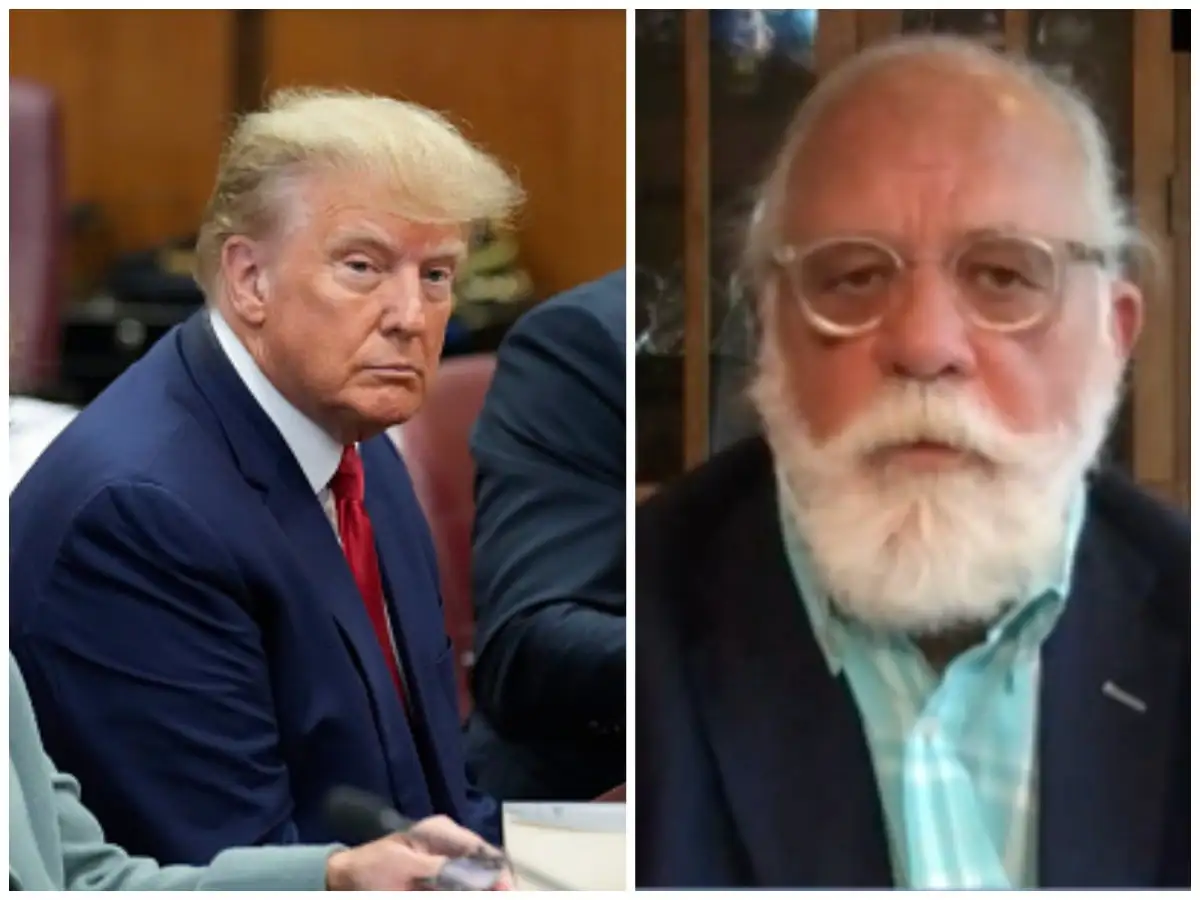
Questions regarding the president's cognitive stability have reached formal discussion, with former attorney Ty Cobb citing the 25th Amendment as a necessary tool to address conduct during the current Iran War.
Structural Background: The 'Cabinet of Losers'
The friction within the executive branch stems from a deliberate shift in hiring philosophy. Sources close to the nomination process indicate that the Cabinet selection process prioritizes pre-vetted loyalty over administrative experience.

Critics describe this strategy as a move toward a 'Cabinet of losers'—a departure from traditional institutional benchmarks in favor of figures willing to stretch legal and governance boundaries. This trend has emboldened calls for institutional intervention, with figures like Scott McConnell urging Vice President J.D. Vance to lead a transition of power.
Read More: Margaret River Named World's Best Wine Place
"We can't do it on the federal [level]. Who has time for healthcare when we’re busy bombing Iran?"
This sentiment highlights a fundamental pivot: the state is trading its domestic social contract for a foreign policy posture that necessitates an unprecedented level of executive autonomy. As federal agencies like the TSA fracture, the government’s ability to execute its core, non-military functions remains in question.


