Spectral Ghosts and the Map of Potential Scavenging
The void is mapped by light bouncing off debris. We determine what is inside an asteroid not by touch, but by the chemical fingerprint left on sunlight hitting its surface. These spectral reflections categorize the floating rubble into families based on their grit and utility. The primary drive for this classification is the identification of extractable materials—water, nickel, and platinum—locked in the remnants of a disorganized solar system.
Spectroscopy provides an indirect, jagged visual of minerals through light absorption.
Sample returns from missions like Hayabusa (to asteroid Itokawa) and studies of Ryugu provide the only hard evidence to check against these light-based guesses.
Resource potential remains the quiet engine of this science, focusing on M-type (metallic) and C-type (carbon-rich) bodies for future industrial use.
The Taxonomies of Space Scrap
The sorting of asteroids is a way to find where the "good stuff" is located. The composition of these rocks tells a story of where they sat when the sun first ignited and how much heat cooked them.

| Type | Material | Utility / Origin |
|---|---|---|
| C-type | Carbon, clay, water | Potential life-bringers; hold water in minerals. |
| S-type | Silicates, stony grit | Crust and mantle scraps of terrestrial planets. |
| M-type | Iron, Nickel, Platinum | Exposed cores of planets that failed to stay together. |
| P & D-type | Ice, organic gunk | Primitive leftovers found in the outer, colder belts. |
"An asteroid's surface leaves behind a chemical fingerprint in sunlight. These fingerprints let us place asteroids into broad families."
The Utility of C-type and M-type Residue
Interest is unevenly spread. The C-type asteroids are sought because they are not just dry rock; they contain water locked in clay. This isn't liquid to pour, but a chemical bound that requires processing. The M-type asteroids are the "high-value" targets. They are seen as the naked iron-nickel cores of shattered worlds, potentially rich in platinum group elements.
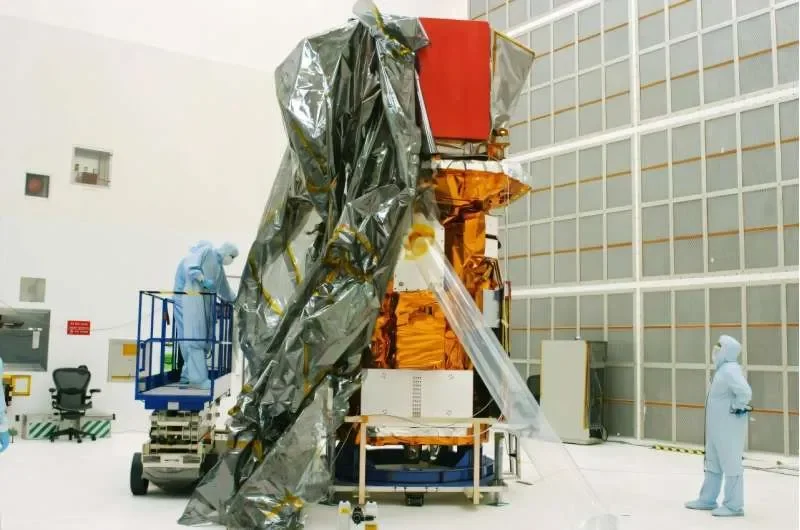
Read More: NASA Robot Mission Launched to Raise Swift Telescope Orbit, Add 10 Years
S-type asteroids dominate the inner belt, being the most common rubble found closer to the sun.
Water delivery theories suggest that Ryugu-like C-type objects might have been the buckets that brought oceans to Earth.
Outer belt objects (P and D types) show up beyond 3.5 times the Earth’s distance from the sun, containing more volatile, organic-rich ice and organics.
Background: Fragments of a Failed Construction
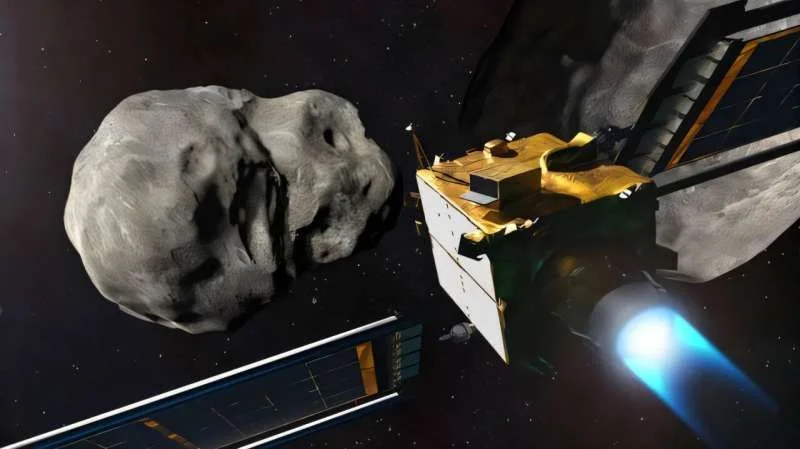
Asteroids are the slag of the solar system's birth. While planets cleared their orbits and crushed materials into spheres, these fragments stayed as irregular, asymmetrical rocks and metals.
They are categorized by their distance from the sun and the heat they endured. The Itokawa mission by Japan proved that we could snag these pieces and bring them back, turning spectral theories into physical grains of dust. This shift from "looking" to "touching" marks the transition of asteroids from astronomical curiosities to potential depots for future extraction.