Early 2026 sees a complex landscape for crypto-linked Exchange Traded Funds (ETFs). While new fund launches and broader asset tokenization point towards a future of digital asset integration, stark warnings of investor flight and the inherent volatility of the underlying markets persist.
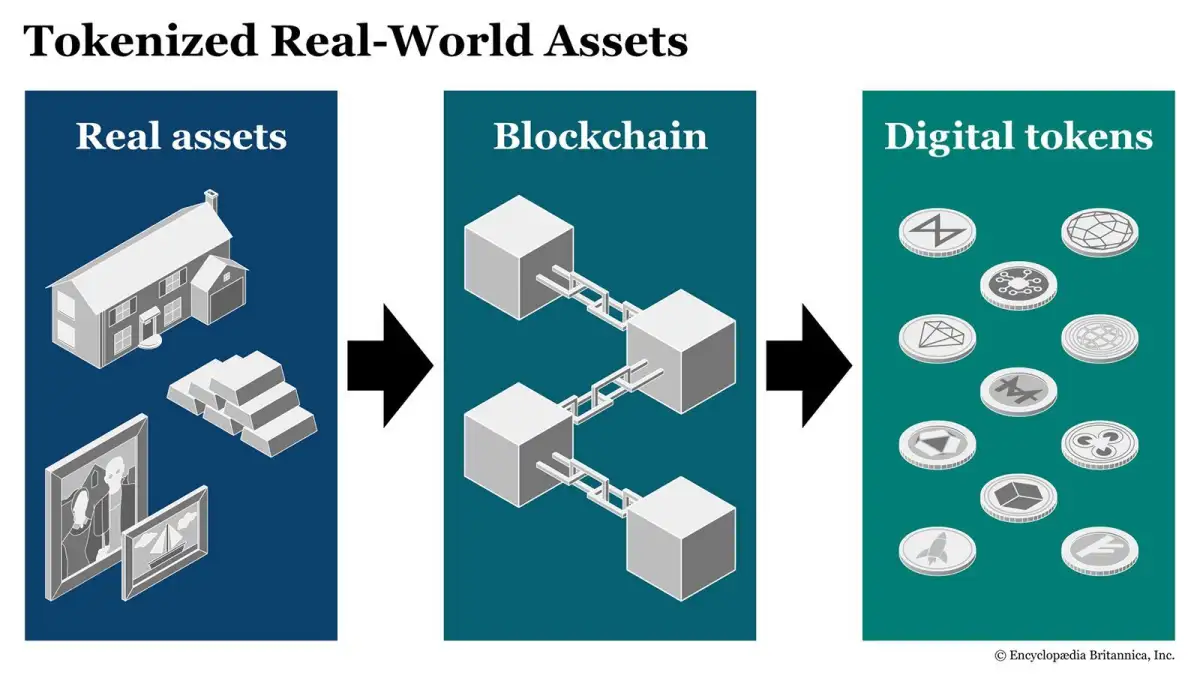
The push towards tokenization, extending beyond mere stablecoins to encompass traditional assets like equities and bonds, signals a significant institutional shift. This evolution suggests a move towards more accessible, tradable digital forms of existing wealth, aiming to modernize asset issuance and ownership structures. Concurrently, a flurry of crypto ETF launches in 2025 indicates a growing, albeit sometimes fragile, appetite for regulated exposure to digital currencies. These include equity-based ETFs that act as proxies for cryptocurrencies, as well as novel products offering dual exposure to traditional indices and Bitcoin futures.
Fund Flows and Market Sentiment
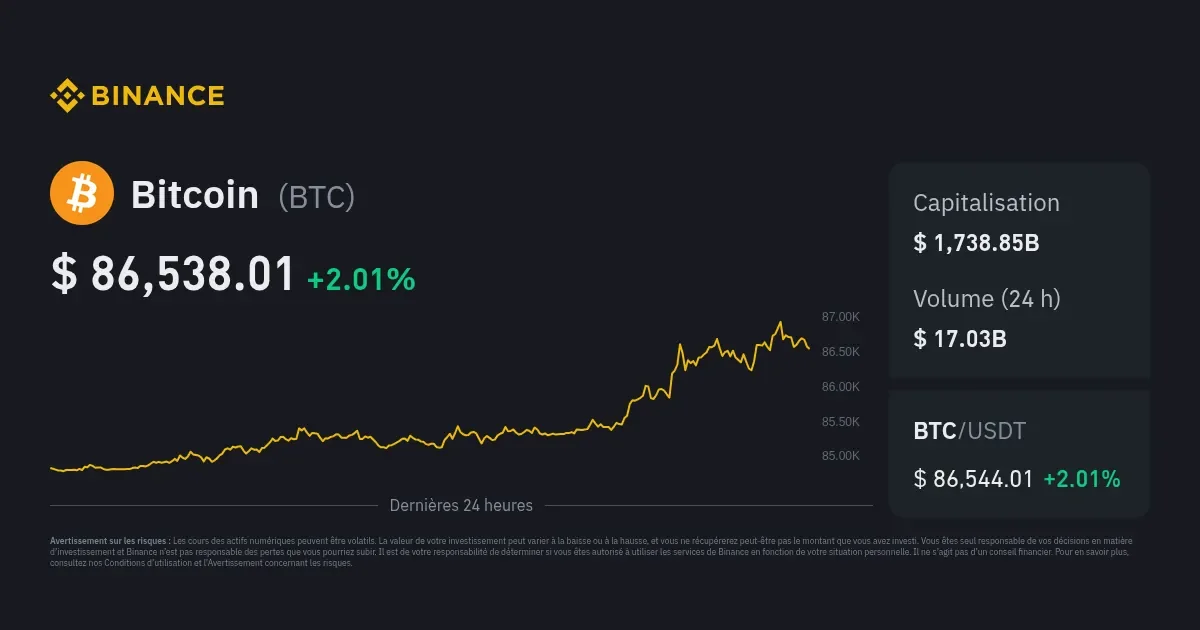
Recent data reveals significant outflows from digital asset investment products, with a notable $1.7 billion exodus reported shortly before Bitcoin’s price surged past the $70,000 mark in early February 2026. This pattern suggests that fund managers are liquidating positions, potentially exacerbating downward price pressure and creating a self-reinforcing cycle of selling. The extent to which these outflows represent a temporary correction or a fundamental shift in investor confidence remains a critical point of observation.
Read More: Mallorca Relegation May Give Barcelona Extra Money
Underlying Mechanisms and Investor Access
Crypto ETFs offer a means for investors to gain exposure through traditional brokerage accounts, circumventing the complexities of direct cryptocurrency wallet management and private key security. These funds are generally categorized as either 'Spot' or 'Futures' types, differing in how they are backed by the underlying digital assets and their associated cost structures.
Broader ETF Market and Emerging Themes
The wider ETF market continues to evolve, with notable growth in specialized areas. The emergence of 'Artificial Intelligence ETFs', 'Fixed Income ETFs', 'Covered Calls ETFs', and 'Active Management ETFs' reflects a trend towards expert-managed portfolios designed to capture specific market segments and manage risk. This diversification within the ETF space highlights a broader investor search for yield and strategic exposure, distinct from the more speculative nature of some cryptocurrency investments.
Read More: Bitcoin Price Drops Due to Peace Hopes and ETF Outflows
Tokenization's Expanding Definition
While stablecoins are a form of tokenization, the concept itself is considerably broader. It encompasses the modernization of how assets are issued, owned, traded, and settled. This can include investments in financial institutions that issue stablecoins or companies actively involved in tokenization efforts.
Historical Context and Future Uncertainty
Historically, crypto equity ETFs, including those focused on mining, have served as a popular proxy for Bitcoin exposure. Products like the 'VolatilityShares One+One Nasdaq-100 and Bitcoin ETF' and the 'One+One S&P 500 and Bitcoin ETF' offer combined exposure to traditional market indices and Bitcoin futures. The revival of the crypto mining space, exemplified by the 'Grayscale Bitcoin Miners ETF', suggests continued innovation in niche crypto-related investment vehicles.
Read More: Tokenization Changes How Assets Are Traded From May 2026
However, the fundamental question of whether crypto ETFs represent a lasting portfolio staple or a fleeting fad continues to be debated. The long-term viability of these products appears intrinsically linked to the broader trajectory and regulatory landscape of cryptocurrencies themselves.