CRITICAL MOMENTS LOOM AS MISSION FACES UNTESTED PHASES
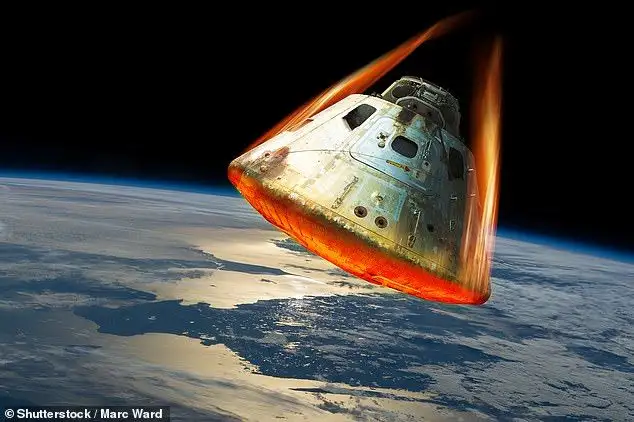
The Artemis II mission, NASA's ambitious return to lunar proximity, confronts its most perilous juncture with the reentry phase, a segment for which officials admit there exists no viable contingency plan. NASA Administrator Jared Isaacman conveyed this stark reality, highlighting the absolute reliance on the Orion spacecraft's single thermal protection system to withstand the extreme temperatures encountered upon re-entering Earth's atmosphere. His candid admission – that his "blood pressure will be elevated until they're under parachutes in the water" – underscores the gravity of this critical maneuver.
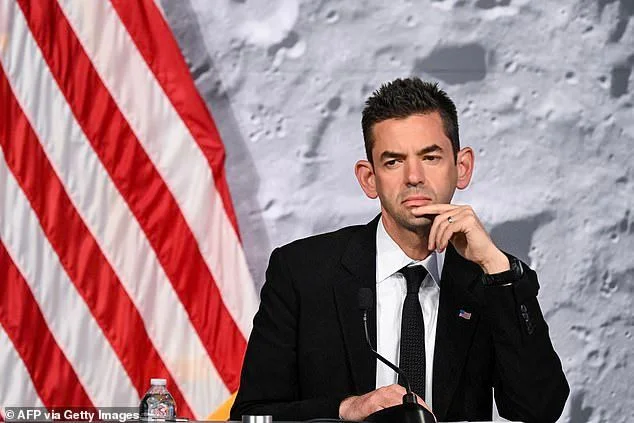
The crew of Artemis II is also slated to endure an approximately 40-minute communication blackout as the spacecraft rounds the far side of the Moon. This prolonged period of isolation, during which the lunar body will obstruct all signals between Orion and mission control in Houston, echoes the anxieties felt by Apollo 11 astronaut Michael Collins, who experienced a similar 48-minute loss of contact. Experts, like Michigan State University astronomy professor Darryl Seligman, have described this upcoming void as "nerve-racking," noting the astronauts will be "more isolated than anyone in history."
Read More: NASA Robot Mission Launched to Raise Swift Telescope Orbit, Add 10 Years
UNCERTAINTY SURROUNDS THE UNTESTED SYSTEM
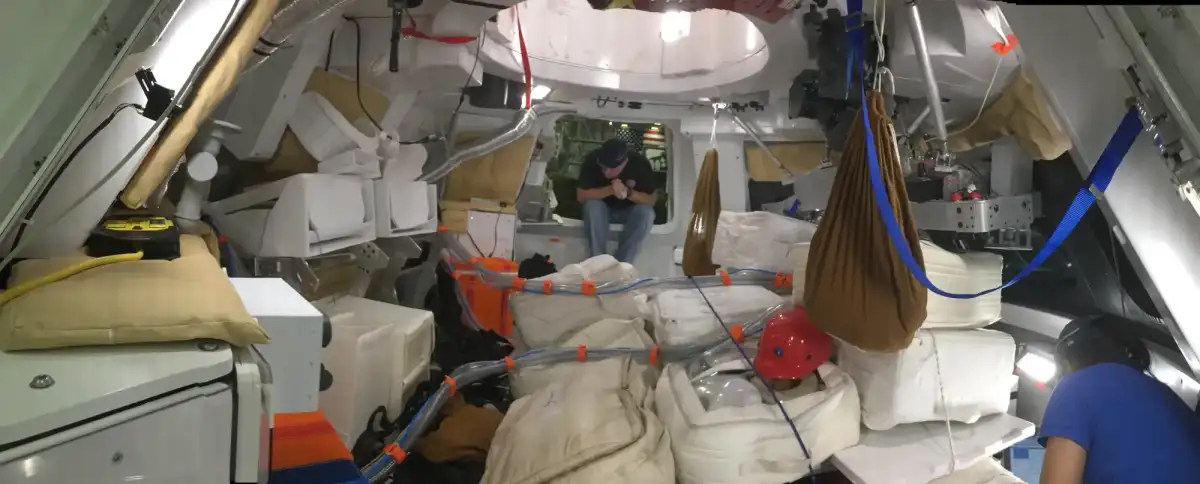
Artemis II marks a significant departure from previous space endeavors, being the first crewed lunar flight in over fifty years and the inaugural test of the Space Launch System rocket and Orion capsule operating in concert. This inherent novelty makes quantifying the mission's risks a complex undertaking, a point acknowledged by NASA officials. During a recent press conference, NASA's acting associate administrator for exploration system development, Lori Glaze, expressed reservations about the utility of risk assessments given the mission's unprecedented nature. The Orion capsule itself will journey over a thousand times farther from Earth than the International Space Station.
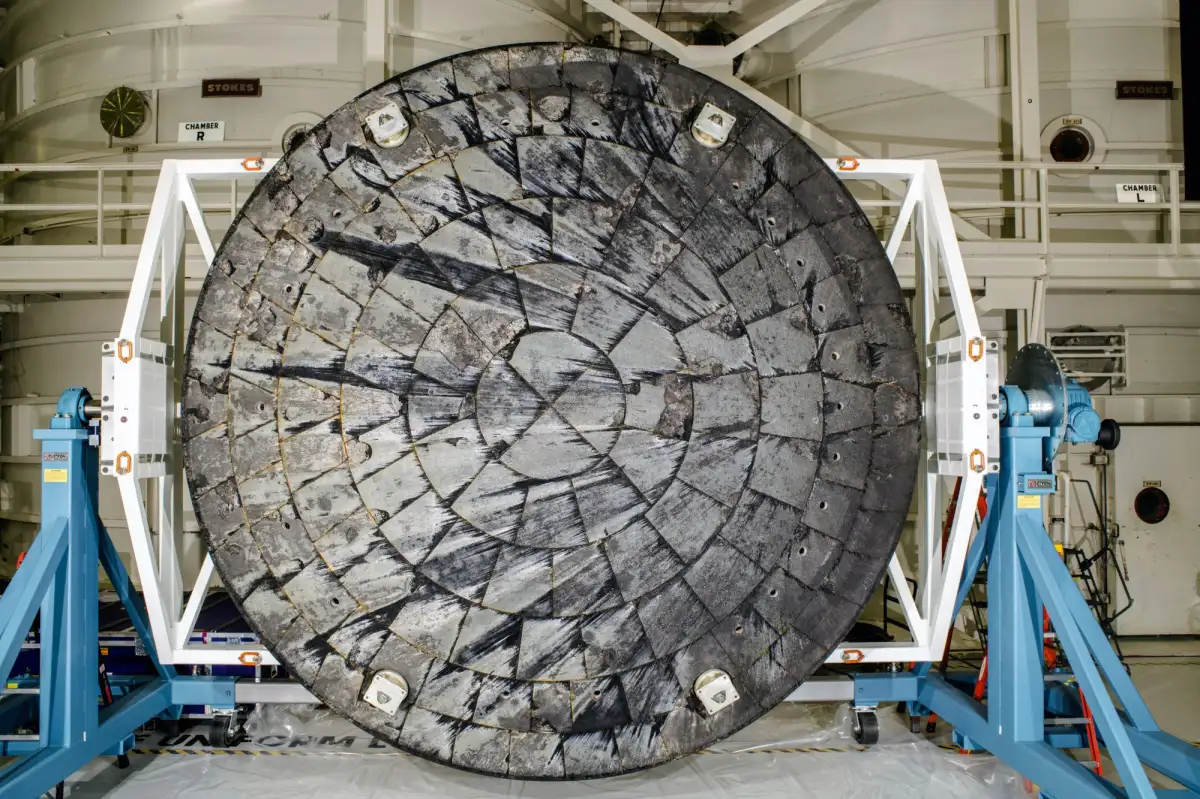
While NASA has not indicated a direct problem for Artemis II, it is noteworthy that during the uncrewed Artemis I mission, a similar heat shield was installed on the Orion capsule. That mission experienced a communication outage lasting 4.5 hours due to failures within the Deep Space Network's Goldstone Complex in California.
Read More: Chrome mimeHandler API lets extensions handle file types
DEEPER SPACE CHALLENGES AND HEALTH IMPLICATIONS
Beyond the immediate mission phases, the crew faces dangers associated with venturing beyond Earth's protective magnetic field. Radiation exposure, including the threat of solar storms, presents a significant hazard. Furthermore, extended periods in microgravity, as seen in earlier long-duration spaceflights, raise concerns about potential health issues such as bone loss and muscle atrophy, though the specifics for the Artemis II mission's duration and medical preparedness remain areas of ongoing discussion. The prospect of establishing a long-term lunar presence hinges on developing greater "medical autonomy" for future crews.