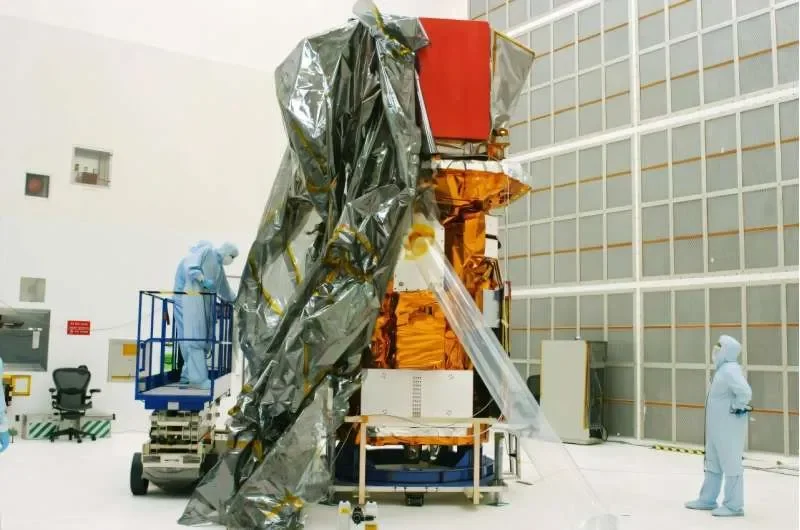
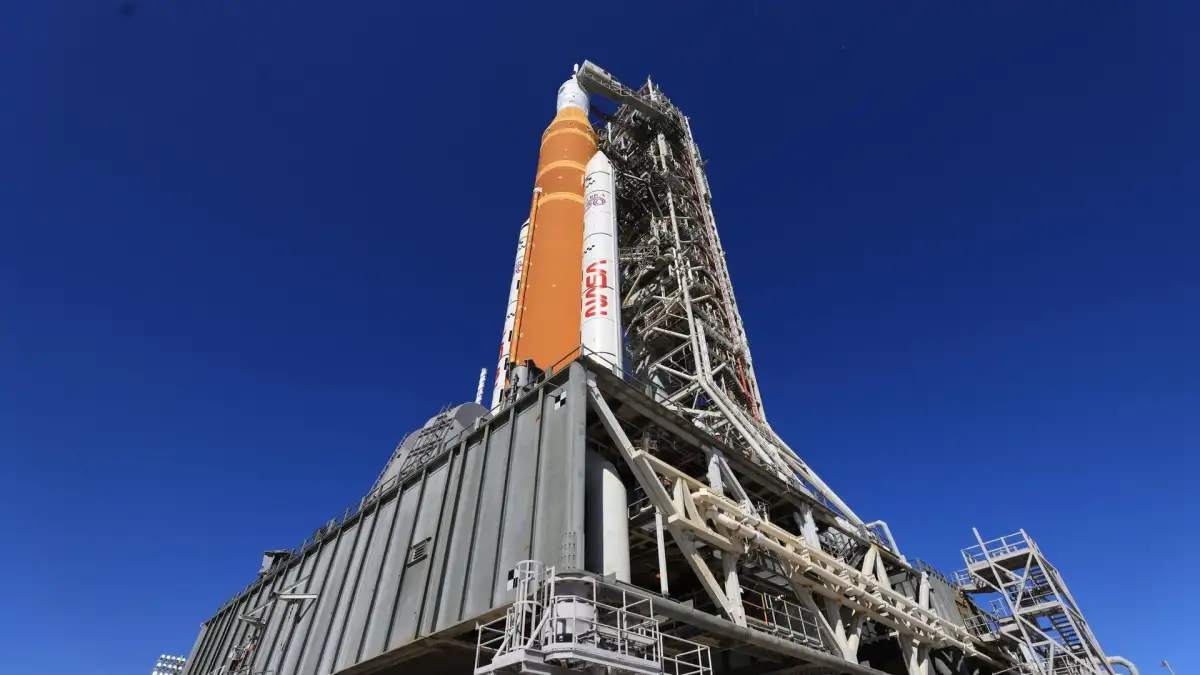
The upcoming Artemis II mission, aimed at sending astronauts back to the moon, is experiencing a significant delay. NASA is preparing to roll the Artemis II rocket and its Orion spacecraft back to the Vehicle Assembly Building at Kennedy Space Center. This action is a direct result of a problem identified with the rocket's upper stage, specifically an interruption in the flow of helium needed for launch. The issue has made the previously targeted March launch window unachievable.
Mission Setback Amidst Preparations
NASA announced on February 21, 2026, that a problem was detected during recent testing. This issue involves an "interrupted flow of helium to the SLS (Space Launch System) rocket’s interim cryogenic propulsion stage." Helium is a crucial element required for the proper functioning of this stage and for launch itself. The detection of this problem during a recent "observing" period has led NASA officials to conclude that a launch within the March timeframe is no longer possible.
Read More: NASA Robot Mission Launched to Raise Swift Telescope Orbit, Add 10 Years
Identifying the Technical Hurdle
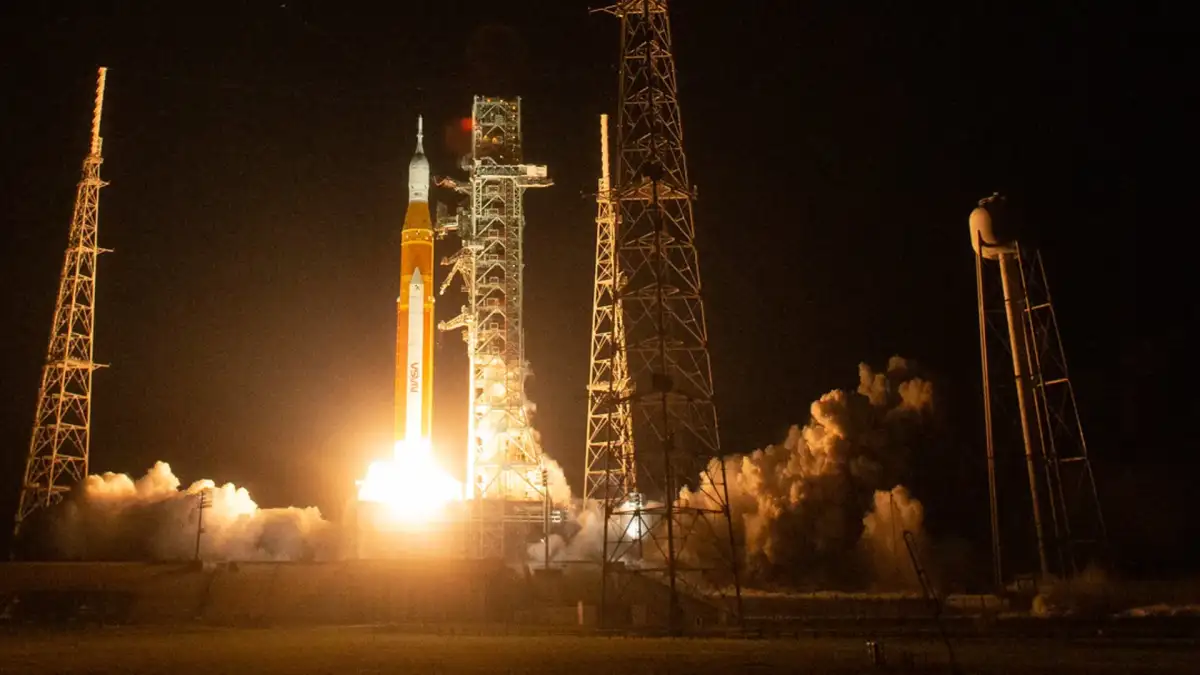
The problem centers on the interim cryogenic propulsion stage of the Space Launch System (SLS) rocket. Data gathered during recent activities, including what is referred to as an "observing" or a wet dress rehearsal, revealed an unexpected interruption in the normal flow of helium.
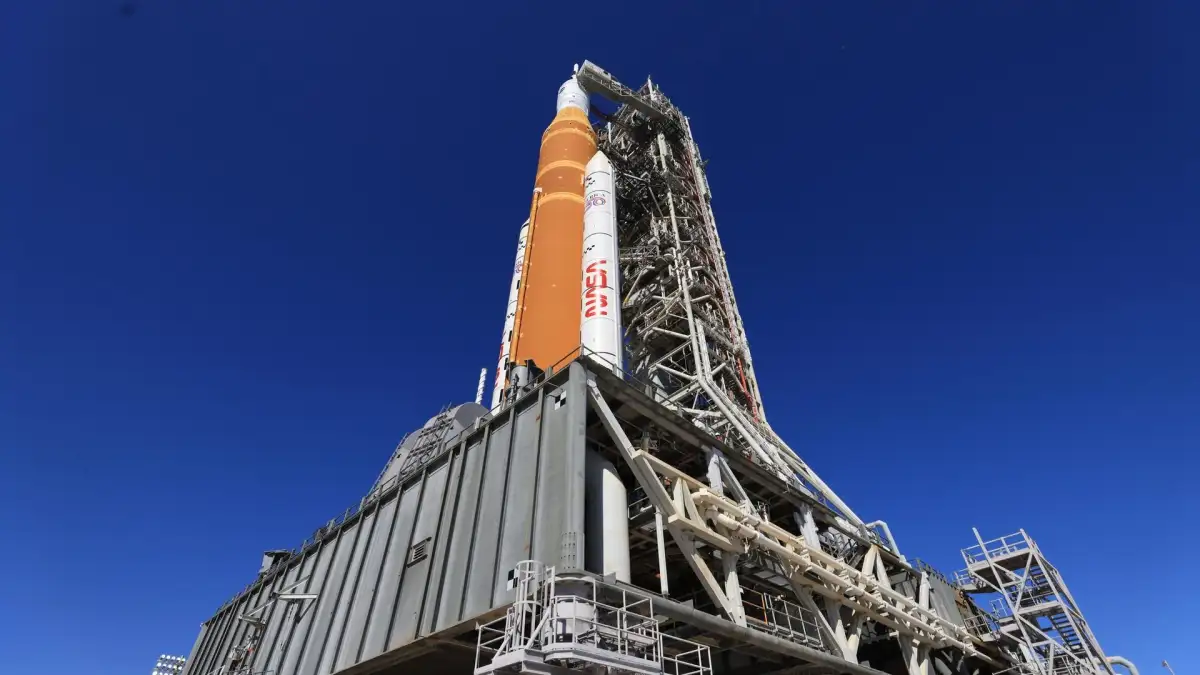
Helium Flow Interruption: This is the primary technical issue.
Required for Launch: Helium is essential for the correct pressurization and operation of the rocket's upper stage.
Impact on Schedule: The issue necessitates a rollback to the Vehicle Assembly Building for further investigation and repairs.
Reviewing Past Data for Clues
NASA is not only examining the current data but is also reviewing information from the Artemis I mission. During Artemis I, teams also encountered and had to troubleshoot helium-related pressurization issues with the upper stage before its launch. This suggests a potential recurring or related challenge.

Rollback to Vehicle Assembly Building
The decision to roll the rocket and spacecraft back to the Vehicle Assembly Building (VAB) is a measure to allow engineers direct access to the hardware. This will enable them to conduct a thorough examination and implement necessary fixes.
Location: Kennedy Space Center, Florida.
Purpose: To diagnose and repair the helium flow issue.
Consequence: The March launch window is now off the table.
Expert Analysis
"After overnight data showed an interruption in helium flow in the SLS interim cryogenic propulsion stage, teams are troubleshooting and preparing for a likely rollback of Artemis II to the VAB at @NASAKennedy." - Jared Isaacman, NASA Administrator (as reported by MyNews13 and others).
This statement confirms the direct link between the helium issue and the impending rollback. Officials have indicated that the problem was not present during earlier dress rehearsals, adding a layer of complexity to the troubleshooting process.
Read More: Florida parking spot shooting: Man dies, woman claims self-defense
Conclusion and Next Steps
The Artemis II mission's launch has been postponed due to an identified problem with the helium flow to the rocket's upper stage. This issue has triggered a necessary rollback of the rocket and Orion spacecraft to the Vehicle Assembly Building for repairs. Consequently, the planned March launch window will not be met. NASA is actively reviewing data, including information from the Artemis I mission, to understand and resolve the problem. Further updates are expected as engineers work towards a solution and determine a new timeline for the mission. The exact cause of the helium flow interruption and the duration of the delay remain subjects of ongoing investigation.
Sources
NASA: "NASA Troubleshooting Artemis II Rocket Upper Stage Issue, Preparing to Roll Back" - Published 1 day ago.
https://www.nasa.gov/blogs/missions/2026/02/21/nasa-troubleshooting-artemis-ii-rocket-upper-stage-issue-preparing-to-roll-back/
WAFF: "NASA prepares for ‘likely rollback’ of Artemis II" - Published 1 day ago.
https://www.waff.com/2026/02/21/nasa-prepares-likely-rollback-artemis-ii/
Space.com: "NASA's Artemis 2 moon rocket has a problem and it's leaving the launch pad. Don't expect a moonshot in March" - Published 1 day ago.
https://www.space.com/space-exploration/artemis/problem-pops-up-with-artemis-2-moon-rocket-this-will-almost-assuredly-impact-the-march-launch-window
Space Coast Daily: "NASA Addresses Artemis II Upper Stage Issue, Prepares Rollback to Vehicle Assembly Building at KSC" - Published 21 hours ago.
https://spacecoastdaily.com/2026/02/nasa-addresses-artemis-ii-upper-stage-issue-plans-rollback-to-vehicle-assembly-building-at-ksc/
MyNews13: "NASA to rollback Artemis moon rocket due to helium flow issue" - Published 15 hours ago.
https://www.mynews13.com/fl/orlando/space/2026/02/21/nasa-suggests-possible-rollback-of-artemis-moon-rocket-due-to-helium-flow-issue
AP News: "NASA delays astronaut moon mission again after new rocket problem" - Published 1 day ago.
https://apnews.com/article/nasa-artemis-moon-astronauts-1e02b236e110e02c0241a581a311bb25
NASA: "Final Steps Underway for NASA’s First Crewed Artemis Moon Mission" - Published Jan 9, 2026. (Provides historical context on launch windows and preparations).
https://www.nasa.gov/missions/artemis/artemis-2/final-steps-underway-for-nasas-first-crewed-artemis-moon-mission/