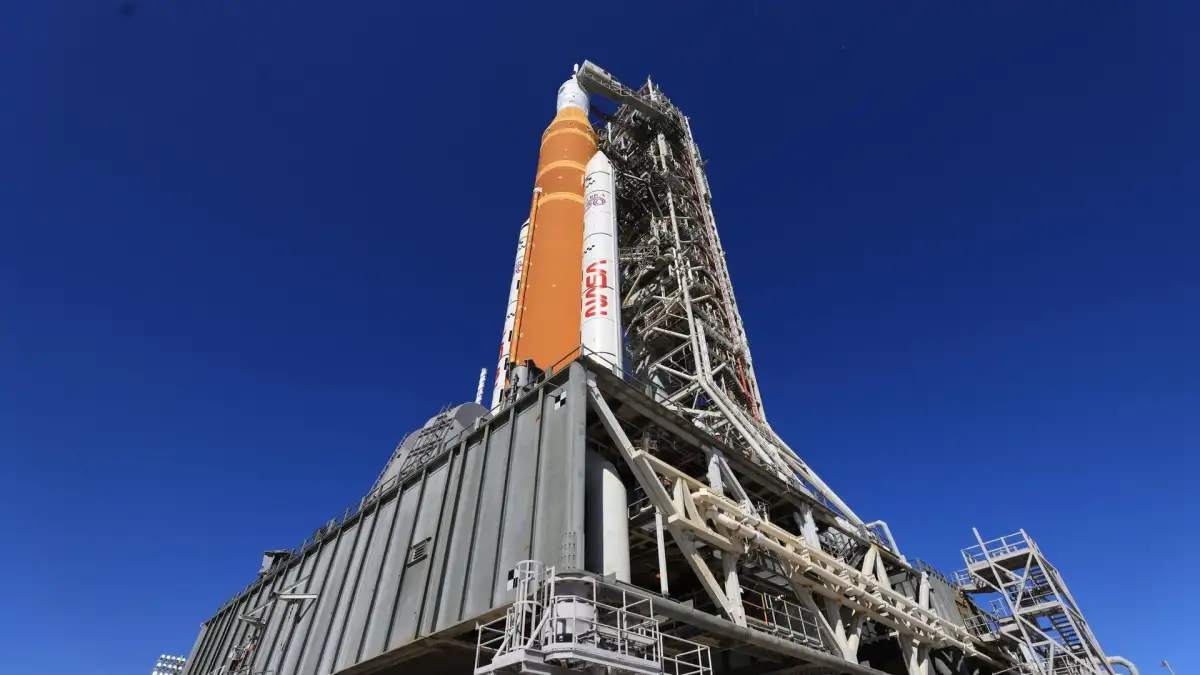
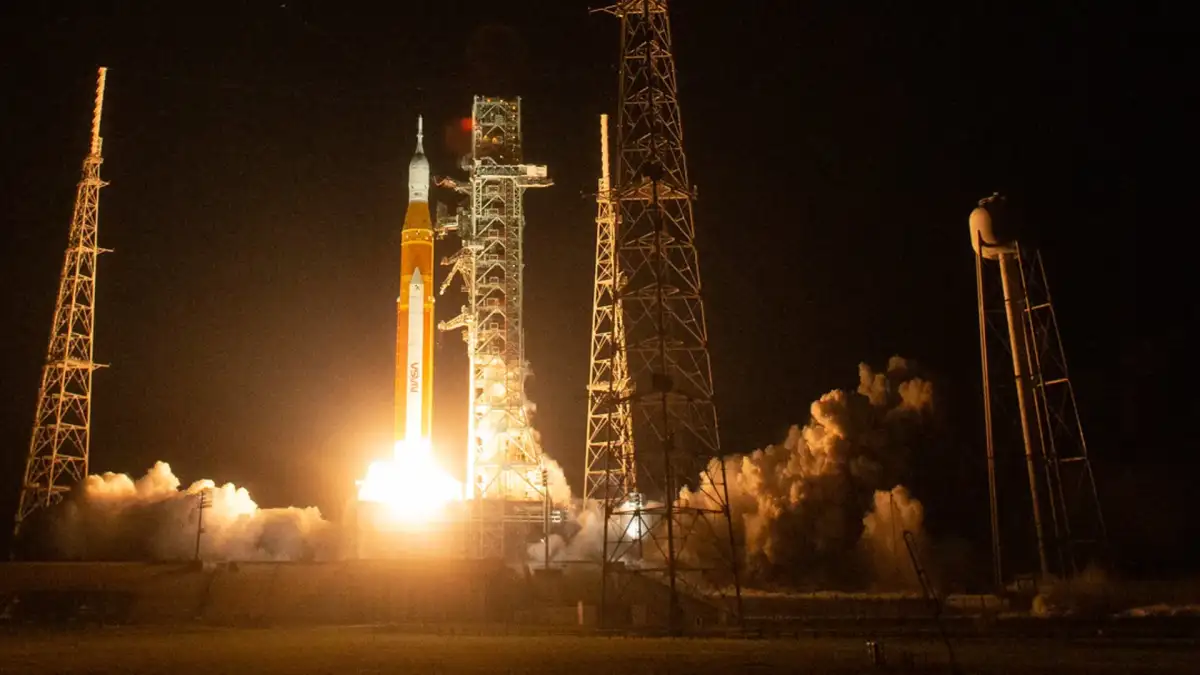
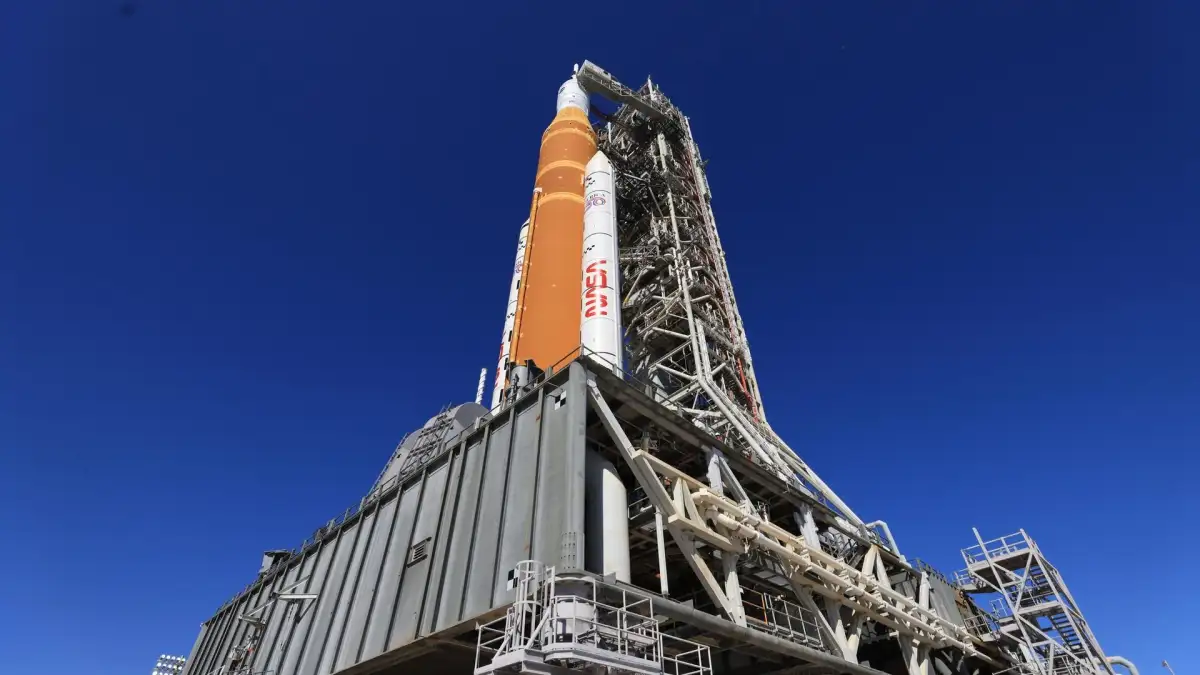
The planned March launch of NASA's Artemis II mission, which aims to send four astronauts on a journey around the moon, is now facing a likely postponement. Recent technical problems discovered with the Space Launch System (SLS) rocket are expected to push the mission into April. This marks another setback for the program, which is a crucial step in NASA's broader lunar exploration and future Mars mission objectives.
Key takeaways
A helium flow issue in the rocket's upper stage has been identified.
This problem is expected to delay the Artemis II launch from March to April.
The mission is a preparatory step for longer-term lunar presence and Mars exploration.
Background of Artemis II
Artemis II is the second mission in NASA's Artemis program, a series of endeavors intended to return humans to the moon and establish a long-term presence there. The program's ultimate goal includes building a space station, known as Lunar Gateway, which will serve as a staging point for future missions to Mars.
The Artemis II mission was set to be the first human spaceflight to the moon in over half a century.
It is designed to send four astronauts on a 10-day mission circling the moon and returning to Earth.
The crew for Artemis II includes Commander Reid Wiseman, Pilot Victor Glover, and Mission Specialists Christina Koch and Jeremy Hansen.
Identification of New Rocket Issues
Recent events have brought to light new technical challenges with the SLS rocket, casting doubt on the previously announced March launch date.
Read More: NASA Robot Mission Launched to Raise Swift Telescope Orbit, Add 10 Years

Helium Flow Interruption: On Saturday, officials reported an interruption in the flow of helium to the rocket's upper stage. This issue is specific to the SLS rocket's interim cryogenic propulsion stage.
Helium flow is critical for purging the rocket's engines and pressurizing its fuel tanks, making this a significant technical concern.
Previous Setback: This new problem arises shortly after NASA had targeted March 6 for the launch. The discovery occurred just one day after the launch date announcement.
Ground Support Equipment Test: A prior, unannounced test of the SLS rocket also uncovered an issue related to ground support equipment, adding to recent technical difficulties.
Impact on Launch Schedule
The newly discovered technical faults are anticipated to necessitate adjustments to the mission's timeline.

Likely Delay to April: Multiple reports indicate that the problem will almost assuredly impact the March launch window, pushing the mission into April.
Some sources suggest specific available launch dates in April, including April 1, 3, 4, 5, and 6.
Need for Ground Operations: Engineers are encountering difficulties in repressurizing the Artemis II moon rocket's upper stage helium tanks. This problem is expected to require the rocket to be moved from the launch pad back to its processing hangar for thorough troubleshooting.
Previous Delays: The Artemis II mission has already experienced delays. A previous test earlier in the month was disrupted by a hydrogen leak, leading to a delay from an earlier target to March.
NASA's Response and Future Plans
NASA has acknowledged the challenges and is working to address them. The agency has previously emphasized safety as a paramount concern for the mission's success.
Focus on Safety: NASA Administrator Jared Isaacman has stated that the mission can only be successful if the entire crew is safe, suggesting a cautious approach to rescheduling.
Long-Term Vision: The Artemis missions are foundational to NASA's longer-term aspirations, including the establishment of the Lunar Gateway and eventual human expeditions to Mars.
Sources Used:
Sky News: NASA says moon mission could be delayed after discovering rocket fault - Published: 5 minutes ago - https://news.sky.com/story/nasa-says-moon-mission-could-be-delayed-after-discovering-rocket-fault-13510481
Space.com: Problem pops up with Artemis 2 moon rocket: 'This will almost assuredly impact the March launch window' - Published: 1 hour ago - https://www.space.com/space-exploration/artemis/problem-pops-up-with-artemis-2-moon-rocket-this-will-almost-assuredly-impact-the-march-launch-window
CBC News: NASA moon rocket hit by new problem expected to bump astronauts' lunar trip into April - Published: 1 hour ago - https://www.cbc.ca/news/world/nasa-moon-launch-problem-march-9.7101012
Los Angeles Times: Latest NASA rocket problem expected to bump astronauts' Artemis moon mission into April - Published: 56 minutes ago - https://www.latimes.com/world-nation/story/2026-02-21/new-nasa-rocket-problem-expected-to-bump-moon-mission-into-april
CBS News: NASA's Artemis II rocket hit by new problem expected to bump moonshot into early April - Published: 1 hour ago - https://www.cbsnews.com/news/nasas-artemis-ii-rocket-new-problem-expected-to-bump-moonshot-early-april/
USA Today: Will NASA's Artemis moon launch be bumped again? SLS test reveals new issue - Published: 5 days ago - https://www.usatoday.com/story/tech/science/space/2026/02/16/nasa-artemis-2-moon-launch/88646380007/
The Guardian: Nasa delays moon rocket launch by a month after fuel leaks during test - Published: Feb 4, 2026 - https://www.theguardian.com/science/2026/feb/03/nasa-delays-moon-rocket-launch-month-fuel-leaks-artemis
E! Online: NASA Delays Mission to the Moon After Discovering Issue With “Hydrogen Leak” - Published: Feb 3, 2026 - https://www.eonline.com/news/1428130/nasa-delays-moon-mission-due-to-hydrogen-leak