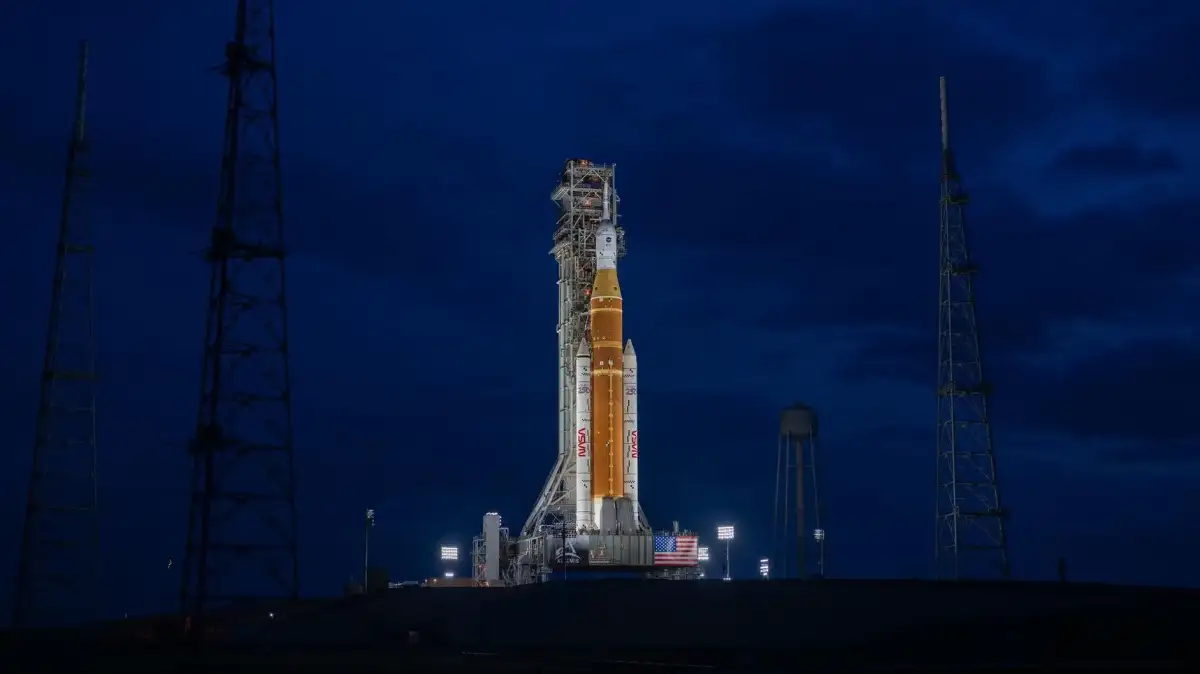
NASA's Artemis II mission, planned to carry four astronauts on a journey around the Moon, is experiencing significant delays. The mission's launch, initially slated for February and then eyed for March, is now uncertain due to ongoing problems identified with the Space Launch System (SLS) rocket during critical pre-launch tests. These issues, particularly concerning fuel leaks and helium flow interruptions, have forced NASA to reconsider its launch timelines.
Rockets Encountering Troubles
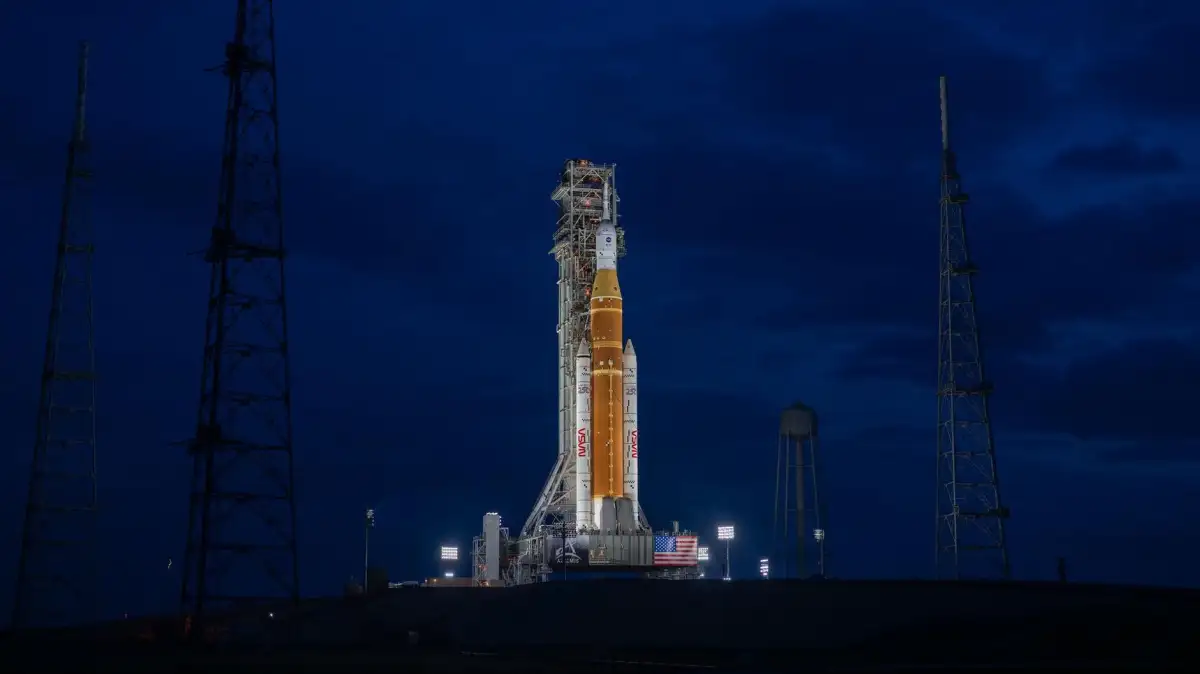
The Artemis II mission is designed to be the first crewed flight of NASA's Artemis program, aiming to return humans to the Moon. The mission involves a 10-day journey where astronauts will travel around the Moon and return to Earth, a feat not accomplished since the Apollo era. The rocket, SLS, and the Orion capsule are central to this endeavor.
Initial Delays: The mission faced delays due to problems discovered during a "wet dress rehearsal," a simulated launch countdown where the rocket is fueled.
Astronauts Involved: The crew includes three American astronauts: Reid Wiseman, Victor Glover, and Christina Koch, along with Canadian astronaut Jeremy Hansen.
Program Goals: Artemis II serves as a precursor to Artemis III, which aims to land astronauts near the Moon's south pole, and ultimately establish a sustainable lunar presence.
Identified Rocket Issues and Their Impact
Recent tests have revealed technical challenges with the SLS rocket, leading to postponement of the launch.
Read More: NASA Robot Mission Launched to Raise Swift Telescope Orbit, Add 10 Years
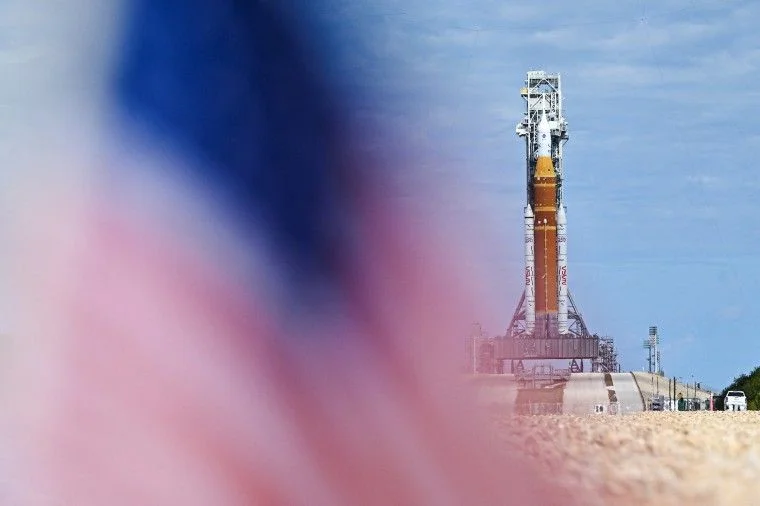
Hydrogen Leaks: During a wet dress rehearsal on February 3rd, engineers detected leaks of liquid hydrogen from the core stage of the SLS rocket. This issue required extensive troubleshooting, as similar problems were encountered during the Artemis I mission.
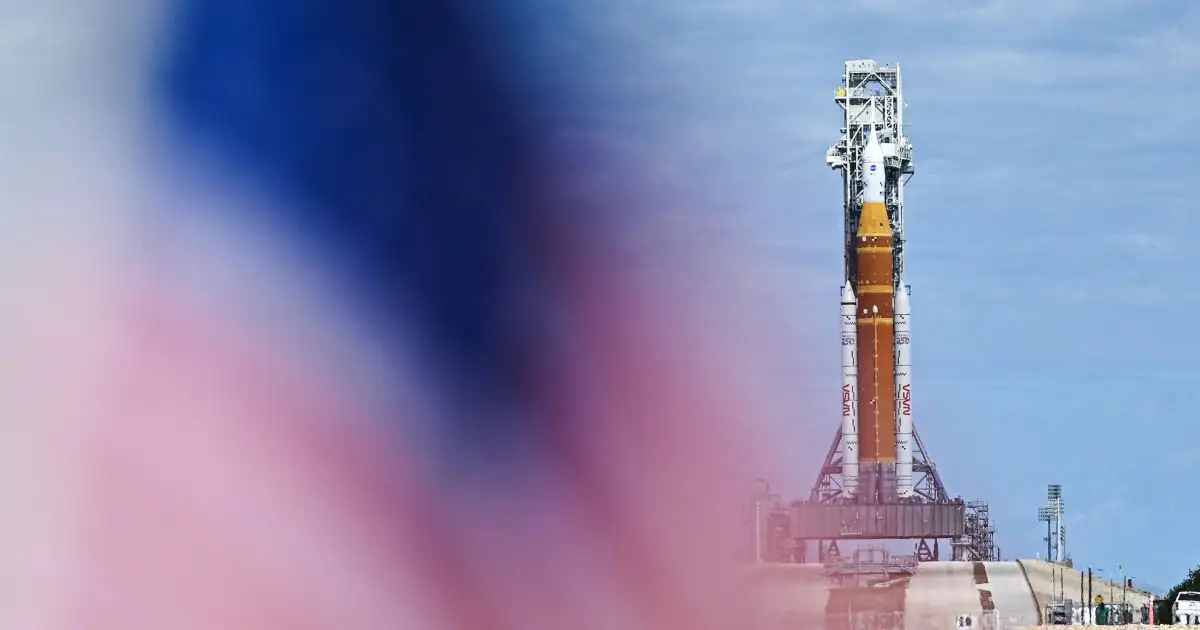
Helium Flow Interruption: More recently, on February 21st, NASA announced a new problem: an interruption in the flow of helium to the rocket’s upper stage. Helium is crucial for launch operations. This specific issue has led NASA to consider rolling the rocket back from the launch pad to the Vehicle Assembly Building (VAB) for repairs.
Launch Window Impact: The interruption in helium flow has "almost assuredly" impacted the March launch window, pushing potential launch dates to April at the earliest. This development follows previous optimism from NASA officials about meeting the March launch target.
Timeline of Recent Events
The sequence of events highlights the evolving challenges faced by the Artemis II mission.

Early February: A wet dress rehearsal identified liquid hydrogen leaks. This led to an initial delay, moving the launch window from February to March.
February 21st: NASA announced a helium flow issue in the rocket's upper stage.
Following the Helium Issue: NASA began preparing for a rollback of the Artemis II rocket and Orion spacecraft to the VAB for repairs, effectively removing the March launch window from consideration.
Expert Commentary and NASA Statements
NASA officials and external observers have commented on the setbacks.
NASA Administrator Jared Isaacman confirmed the helium flow problem via a social media post, stating the need for rollback and repairs, which would preclude a March launch.
John Honeycutt, chair of the Artemis II Mission Management Team, noted that while hydrogen leaks were anticipated and tested for after Artemis I, the issues encountered during the recent rehearsal "caught us off guard."
Analysis of Circumstantial Evidence
The recurring nature of fuel-related problems, specifically the hydrogen leaks, echoes issues seen in the previous Artemis I mission. While NASA states they took an aggressive approach to understand and address these leaks, their reappearance during the Artemis II rehearsal raises questions about the thoroughness of previous fixes or the complexity of the underlying system. The subsequent detection of a different issue with helium flow suggests that the rocket's systems may be presenting a range of unanticipated challenges.
Is the helium flow problem distinct from, or a consequence of, the previous hydrogen leak issues?
What are the specific engineering challenges that are causing these repeated problems with the SLS rocket's propulsion and fuel systems?
Conclusion and Next Steps
The Artemis II mission is currently facing a significant delay due to persistent technical problems with the SLS rocket, most recently a helium flow interruption. This has necessitated the rollback of the rocket to the VAB, effectively canceling the March launch attempt. NASA's immediate focus will be on diagnosing and repairing the helium flow issue. The success of these repairs will determine the earliest possible launch date, which is now anticipated to be in April. The program's ability to overcome these engineering hurdles will be critical for future lunar missions.
Read More: US 250th Anniversary on July 7, 2026, sees 20% not celebrating
Sources Used
NASA delays Artemis 2 moon mission because of extreme cold at the launch site: https://www.cbsnews.com/news/nasa-delays-artemis-moon-mission/
NASA delays Artemis II moon launch after issues during rehearsal: https://www.nbcnews.com/science/space/nasa-delays-artemis-ii-moon-launch-issues-wet-rehearsal-rcna257196
NASA delays Artemis II moon mission after critical test raises issues: https://www.scientificamerican.com/article/nasa-delays-artemis-ii-moon-mission-to-march-after-critical-test-raises/
NASA delays the launch of Artemis II lunar mission by at least a month: https://www.npr.org/2026/02/03/nx-s1-5698214/nasa-artemis-ii-launch-delay-moon
NASA delays its Artemis 2 moon mission because its giant rocket has a leak — we've seen this before: https://www.space.com/space-exploration/artemis/nasa-delays-artemis-2-moon-launch-to-march-after-encountering-issues-during-fueling-test
NASA to rollback Artemis moon rocket due to helium flow issue: https://mynews13.com/fl/orlando/space/2026/02/21/nasa-suggests-possible-rollback-of-artemis-moon-rocket-due-to-helium-flow-issue
NASA’s Artemis II Mission To Send Humans To Moon May Be Delayed Due To Rocket Issue: https://www.news18.com/world/nasa-uncovers-helium-flow-issue-artemis-ii-moon-mission-faces-delay-ws-l-9922441.html
Problem pops up with Artemis 2 moon rocket: 'This will almost assuredly impact the March launch window': https://www.space.com/space-exploration/artemis/problem-pops-up-with-artemis-2-moon-rocket-this-will-almost-assuredly-impact-the-march-launch-window
Problem With Artemis Rocket Is Likely to Delay NASA’s Moon Mission: https://dnyuz.com/2026/02/21/problem-with-artemis-rocket-is-likely-to-delay-nasas-moon-mission/
Nasa delays moon rocket launch by a month after fuel leaks during test: https://www.theguardian.com/science/2026/feb/03/nasa-delays-moon-rocket-launch-month-fuel-leaks-artemis
Nasa delays historic moon mission launch | CNN: https://www.cnn.com/2026/02/03/science/nasa-artemis-2-delays-moon-mission-launch
Nasa to launch historic Artemis II moon mission on 6 March after delays: https://www.theguardian.com/science/2026/feb/20/nasa-artemis-ii-moon-mission-launch
Artemis II’s lunar mission is delayed to March after problems in NASA’s dress rehearsal | Houston Public Media: https://www.houstonpublicmedia.org/articles/news/nasa/2026/02/03/542379/moon-nasa-artemis-2-launch-delay/
Artemis II Launch: NASA May Delay Rocket Due to Helium Issue: https://www.deccanherald.com/science/nasa-may-take-moon-mission-artemis-ii-rocket-back-to-assembly-site-affecting-march-launch-window-3907158
First crewed mission around the Moon in 53 years delayed by leak: https://www.abc.net.au/news/science/2026-02-04/artemis-2-mission-delayed-hydrogen-leak/106302956
NASA reveals new problem with Artemis II rocket, further delaying launch: https://www.scientificamerican.com/article/nasa-reveals-new-problem-with-artemis-ii-rocket-further-delaying-launch/