A recent series of incidents has brought the persistent issue of racial abuse against professional footballers to the forefront, with multiple players targeted on social media platforms in a single weekend. The events highlight a continuing struggle for governing bodies and clubs to effectively combat hate speech in online spaces.
Background: A Pattern of Abuse
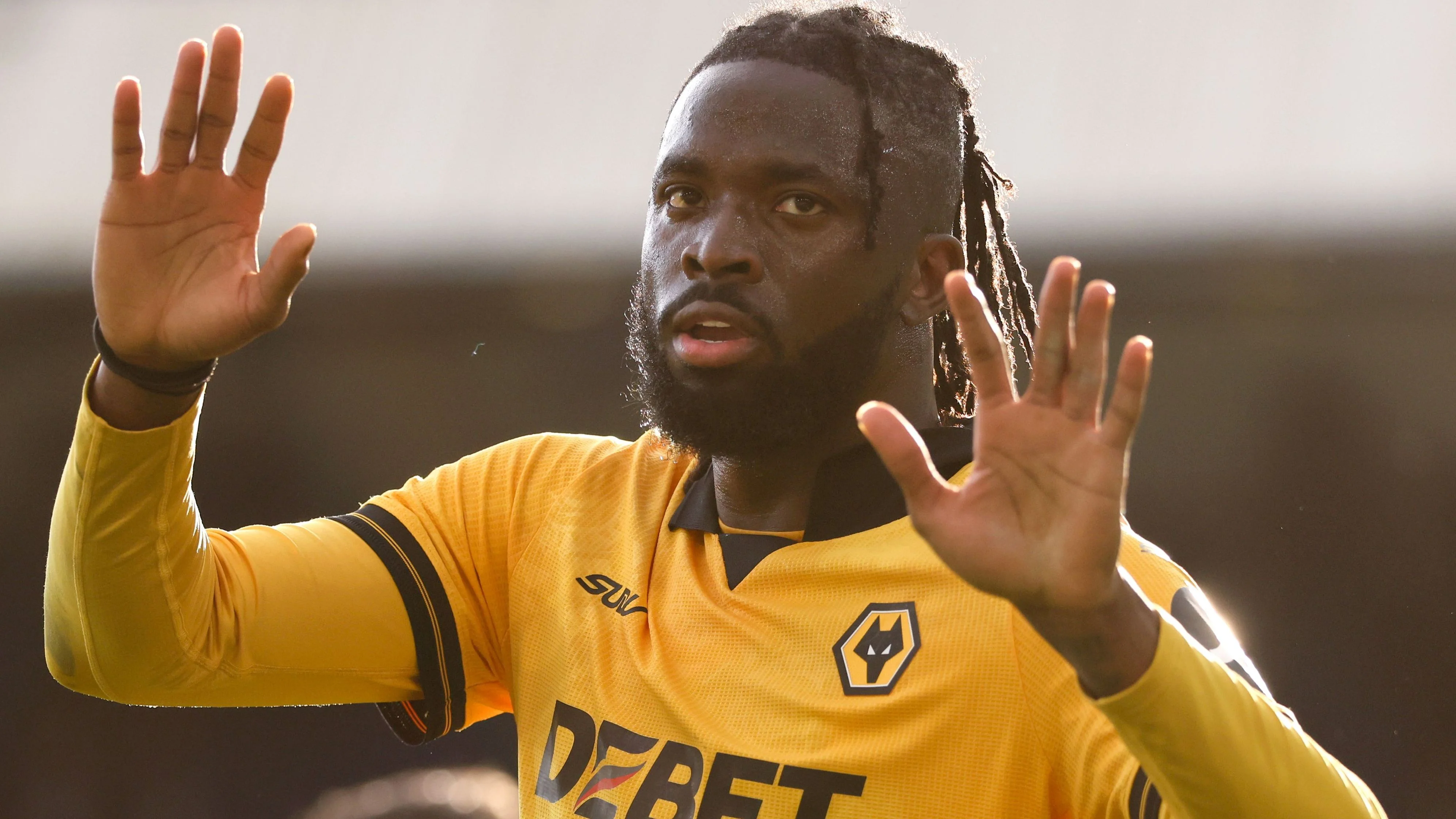
Over a recent weekend, at least three Premier League footballers, Tolu Arokodare, Wesley Fofana, and Hannibal Mejbri, were subjected to racial abuse online. The abuse directed at Arokodare, a striker for Wolves, followed his team's 1-0 defeat against Crystal Palace, reportedly after he missed a penalty. Similar incidents targeted Fofana of Chelsea and Mejbri of Burnley after their teams' 1-1 draw. Romaine Mundle, a Sunderland winger, was also reported to have received racist abuse online.

These events are not isolated. The report mentions an ongoing UEFA investigation into alleged racial abuse directed at Real Madrid winger Vinicius Jr during a Champions League match, and a separate case where a Liverpool man is facing trial in April for abuse.
Read More: Canada's Milano-Cortina 2026 Winter Olympics: Mixed Medals and Setbacks
Incidents and Club Responses
Tolu Arokodare received racist messages on Instagram following Wolves' loss to Crystal Palace. In response, Wolves issued a strong statement condemning the "abhorrent and unlawful behaviour," expressing their full support for Arokodare. The club stated, "There is no room for racism. We condemn this abhorrent and unlawful behaviour in the strongest possible terms." Wolves confirmed they had reported the posts to social media platforms and relevant authorities. Screenshots of some of the abuse were shared by the club.

Similarly, Chelsea defender Wesley Fofana and Burnley midfielder Hannibal Mejbri were targeted with racist abuse on Instagram after their match on Saturday. Mundle, a Sunderland player, also faced online racial abuse, leading him to deactivate his Instagram account.
Read More: Arsenal Player Gabriel Mocks Tottenham With Social Media Post After 4-1 Win
The consistency of the messaging from the clubs – condemning the abuse as "abhorrent," "unlawful," and stating "there is no room for racism" – underscores a united front against these online attacks.
The Nature of the Abuse
The racist messages directed at Arokodare included racist slurs, references to monkeys with animal emojis, the N-word, and profanities, according to reports. The abuse was posted on social media platforms, primarily Instagram.
The use of anonymous accounts is frequently mentioned as a facilitator of this abuse, with statements expressing concern about individuals acting with "apparent impunity."

Broader Context and Investigations
These incidents contribute to a disturbing pattern of racial abuse aimed at footballers. Wolves' statement emphasized that "No player should be subjected to such hatred simply for doing their job." The mention of UEFA's investigation into the Vinicius Jr incident and the upcoming trial for a Liverpool individual suggest that authorities are attempting to address such behavior, though the pace and effectiveness of these actions remain points of discussion. Lancashire Police, alongside the UK Football Policing Unit, are reportedly investigating abuse sent to Hannibal Mejbri.
Read More: Team USA Honors Johnny Gaudreau's Family with Children on Ice After Olympic Gold Win
The collective condemnation from clubs and the involvement of law enforcement and sporting bodies indicate an ongoing effort to address the problem, even as the abuse continues to occur.
Expert Analysis
"This is a deeply ingrained problem that online platforms have struggled to effectively police," stated an unnamed football safety expert. "The anonymity offered by social media is a key enabler. While clubs and authorities are taking steps, the sheer volume of abuse suggests the current measures are insufficient to deter perpetrators."
"We stand firmly alongside him [Arokodare], and alongside all footballers who are forced to endure this abuse from anonymous accounts acting with apparent impunity." - Wolves FC Statement
"There is no place for racism – in football, online, or anywhere in society. We condemn this abhorrent and unlawful behaviour in the strongest possible terms." - Wolves FC Statement
The consistent phrasing across different club statements, such as "abhorrent and unlawful behaviour," indicates a coordinated approach to describing and condemning the incidents.
Read More: Marcus Rashford Barcelona Transfer: Man Utd Future Unclear Until End of Season 2026
Conclusion and Implications
The weekend's events underscore the persistent and widespread nature of racial abuse targeting footballers online. Despite condemnations from clubs and ongoing investigations, perpetrators, often using anonymous accounts, continue to direct hate speech towards players.
Key Findings: Multiple players were racially abused on social media within a short period. Clubs have responded with strong condemnations and reporting the incidents to authorities. The abuse appears to originate from anonymous online accounts.
Implications: The continued prevalence of such abuse raises questions about the effectiveness of current moderation policies on social media platforms and the deterrent impact of investigations and legal processes. The impact on the mental well-being of players remains a significant concern.
Next Steps: Continued pressure on social media companies to enhance their moderation efforts, robust prosecution of offenders, and ongoing support for targeted players are critical. The focus remains on how to create a safer online environment for all individuals, particularly those in public-facing roles like professional athletes.
Sources Used:
BBC Sport: https://www.bbc.com/sport/football/articles/cz6egezw1d3o (Published: Recent, detailed report on Arokodare's abuse and broader context of similar incidents.)
Sky Sports: https://www.skysports.com/football/news/11095/13510939/wolves-striker-tolu-arokodare-and-sunderland-winger-romaine-mundle-subjected-to-racist-abuse-on-social-media (Published: Recent, mentions Arokodare, Mundle, Fofana, and Mejbri, details club responses.)
ESPN: https://www.espn.co.uk/football/story//id/48008435/wolves-condemn-abhorrent-unlawful-abuse-tolu-arokodare (Published: Recent, focuses on Wolves' statement and support for Arokodare, links to Fofana/Mejbri incidents.)
Goal.com US: https://www.goal.com/en-us/lists/wolves-share-abhorrent-racist-abuse-aimed-at-tolu-arokodare-furious-statement-defeat-crystal-palace/blt2cd455db0770a89e (Published: Recent, mentions Wolves sharing screenshots and Arokodare's apology.)
Tribal Football: https://www.tribalfootball.com/article/soccer-premier-league-wolves-issue-statement-condemning-disgusting-racist-abuse-against-striker-arokodare-fba6853e-a0bf-4398-a2e5-99b0d6a34781 (Published: Recent, emphasizes Wolves' condemnation and support.)
Express & Star: https://www.expressandstar.com/sport/football/wolverhampton-wanderers-fc/2026/02/22/wolves-issue-statement-condemning-disgusting-racist-abuse-against-striker-tolu-arokodare/ (Published: Recent, details Wolves reporting abuse to platforms/authorities, mentions Mejbri investigation.)
OneFootball: https://onefootball.com/en/news/wolves-condemn-disgusting-racist-abuse-of-striker-tolu-arokodare-after-crystal-palace-defeat-42452035 (Published: Recent, details nature of abuse against Arokodare, reporting actions.)
The Argus: https://www.theargus.co.uk/sport/national/25876738.wolves-condemn-abhorrent-unlawful-racist-abuse-tolu-arokodare/ (Published: Recent, reiterates club support and links to Fofana/Mejbri.)