The Parliament has officially cemented Amaravati as the singular, permanent capital of Andhra Pradesh with the passage of the A.P. Reorganization (Amendment) Bill, 2026. This legislative act confers statutory recognition upon Amaravati, resolving protracted ambiguity surrounding the state's administrative center and potentially rekindling investor confidence. The bill's traversal through parliamentary chambers was notably marked by widespread political support, according to IT and HRD Minister Nara Lokesh.

Lokesh, in meetings with Prime Minister Narendra Modi, conveyed his profound appreciation, framing the bill's passage as a "crucial milestone" and a testament to the "strong coordination between the State and the Centre." He asserted that this development reaffirms Amaravati's status and fosters confidence in its future.
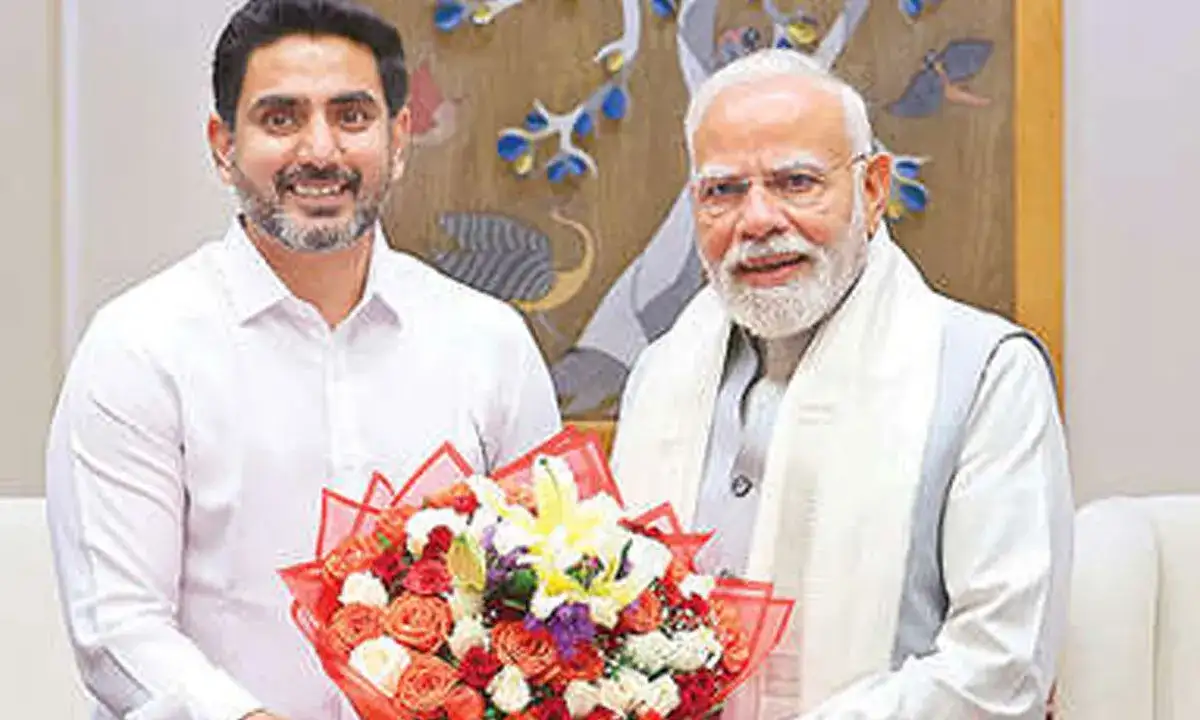
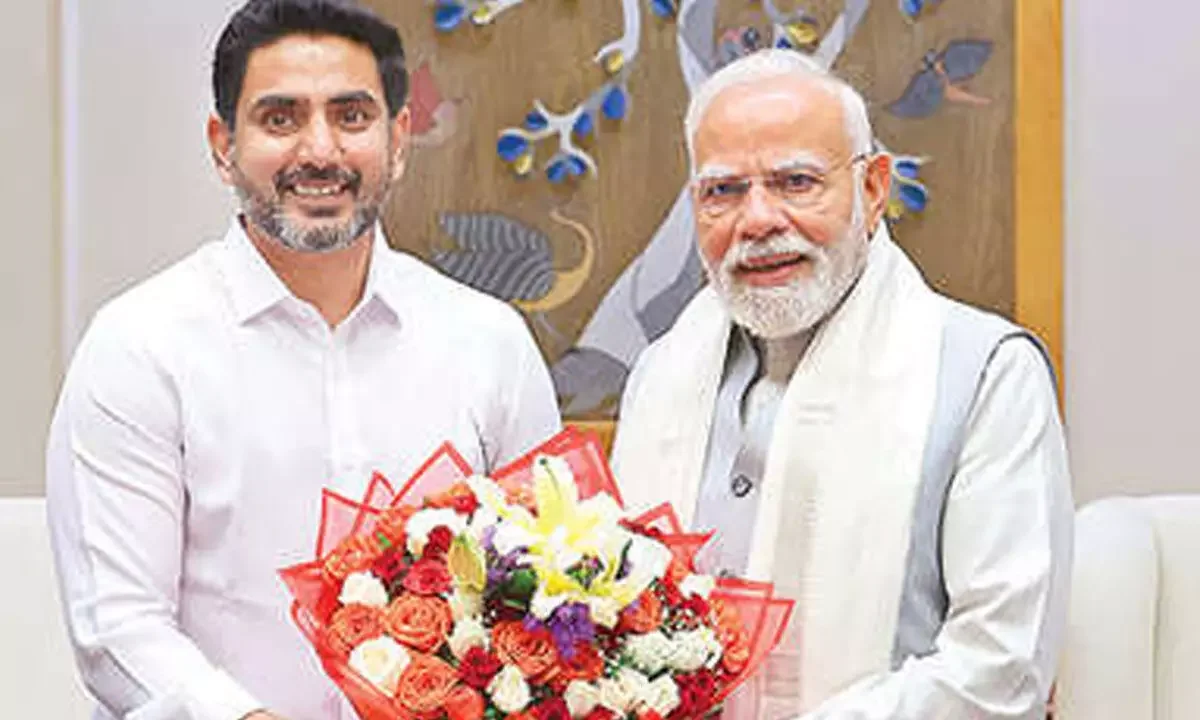
The minister's effusive thanks, extended on behalf of the people of Andhra Pradesh, included a presentation of a shawl to the Prime Minister. This gesture underscores a narrative of collaborative effort, with Lokesh crediting the Central government for its pivotal role in marshaling support across various political factions.
Read More: Democrats Win Votes from Republicans and Independents in Florida, New Jersey, Virginia
State's Development Narrative: A Focus on Investment and Jobs
Beyond the capital's official designation, Lokesh has positioned Prime Minister Modi as a bulwark for Andhra Pradesh's progress. In a previous instance, Lokesh hailed Modi as "India's ultimate shield," linking the relaunch of Amaravati's development to "unstoppable progress." He cited significant investment figures, including ₹8 lakh crore secured within a ten-month period, purportedly generating five lakh jobs. The state's stated ambition includes the creation of 20 lakh jobs over five years, with specific large-scale projects like NTPC Green Energy and ArcelorMittal highlighted as contributors.

Broader Engagements and Central Support
Minister Lokesh's interactions with the Prime Minister have extended beyond the Amaravati Bill. Meetings in September 2025 saw Lokesh seeking enhanced central assistance for investment and development initiatives. During these discussions, the approval of an Advanced System in Package (ASIP) semiconductor unit for Andhra Pradesh was acknowledged as a significant development for the state's industrial landscape. The Prime Minister reportedly assured Lokesh of the Centre's full cooperation in supporting Andhra Pradesh's growth trajectory. Lokesh has also engaged with other high-ranking officials, including the Vice-President and Union Ministers, to apprise them of the state government's perceived achievements.
Read More: Falling coconut trees injure people and damage homes in India
Historical Context of Andhra Pradesh's Capital Discussions
The designation of Amaravati as Andhra Pradesh's capital has been a complex issue. Following the state's bifurcation in 2014, a decision was made to establish a new capital at Amaravati. However, subsequent political shifts led to proposals for a multi-capital model, sparking considerable debate and uncertainty. The recent parliamentary action appears to solidify Amaravati's position, effectively superseding earlier discussions about decentralizing administrative functions and bringing a definitive resolution to the long-standing question of the state's capital. The passage of the bill by Lok Sabha, which some reports indicate occurred amidst a walkout by a particular party, marks the culmination of legislative efforts to legally affirm Amaravati's status.