As of today, 20 May 2026, the expansion of extractive industries in the Arctic has reached a critical friction point between European "green" industrial policy and the territorial sovereignty of the Sami people. Proposed and active mining projects in northern Norway and Sweden—specifically targeting copper and rare-earth elements—are colliding with ancient reindeer migration routes, threatening to dismantle a pastoral lifestyle that has persisted for millennia.
The transition to renewable energy requires rare minerals, yet the state-sanctioned excavation of these resources creates a direct causality with the erosion of Indigenous land rights and cultural continuity.
Conflict Metrics: Industry vs. Tradition
| Project/Region | Mineral Target | Primary Conflict | Status |
|---|---|---|---|
| Nussir, Norway | Copper | Repparfjord ecosystem disruption | Contested |
| Per Geijer, Sweden | Rare-earth elements | Migration route fragmentation | Legal challenge |
| Rönnbäck, Sweden | Various | Cultural/Land usage collapse | Long-term dispute |
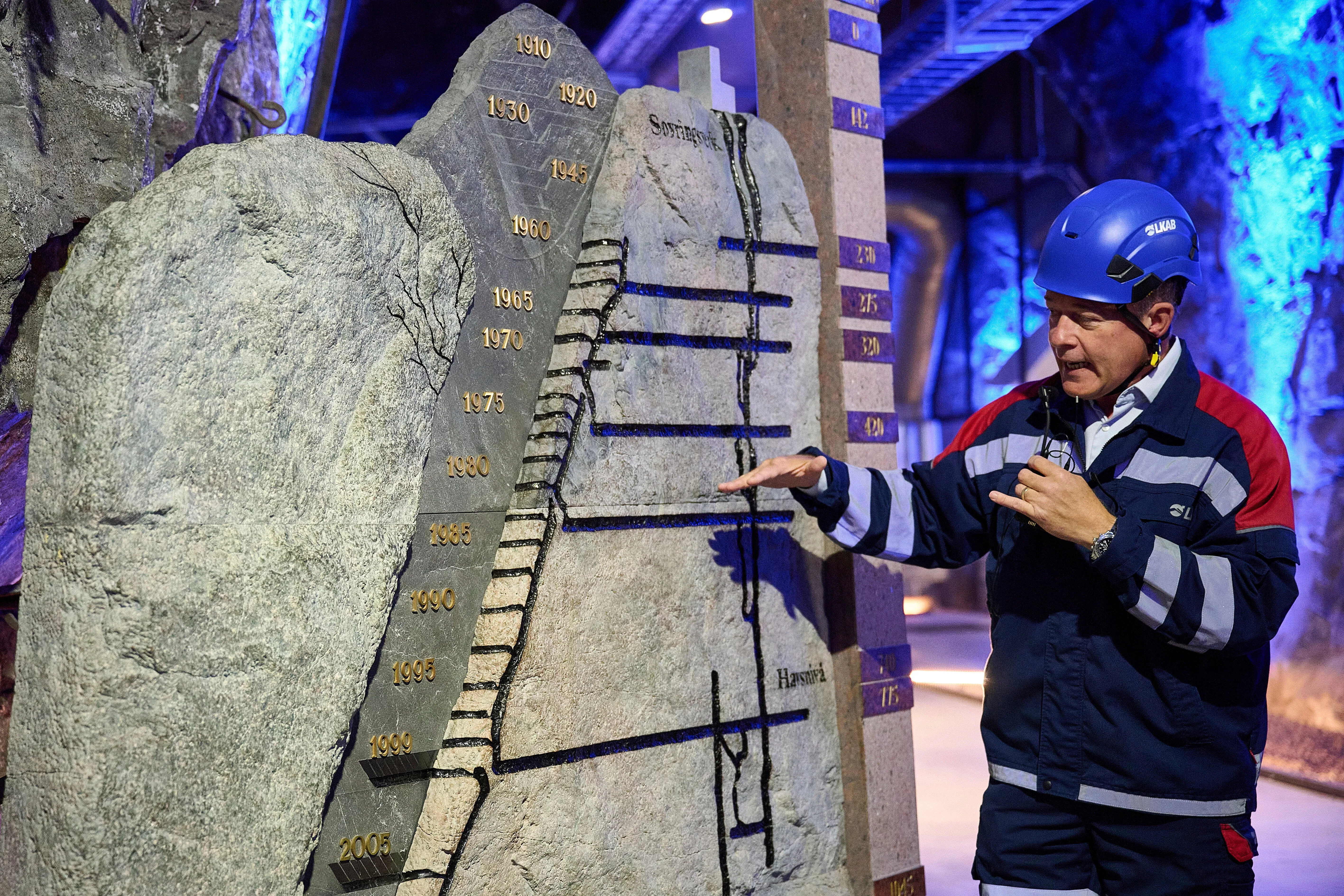
State-owned entities, such as Sweden’s LKAB, justify these developments as vital for European strategic autonomy, explicitly aiming to reduce dependency on China for critical components used in electric vehicles and wind turbines.
Sami representative bodies report a systematic failure in consultation, arguing that administrative processes ignore the foundational requirement of reindeer husbandry to sustain the community’s social structure.
Scientific models indicate that the Arctic is warming three times faster than the global average, creating a double-bind: climate change is already causing unpredictable ice-locked pastures, and industrial infrastructure further restricts the ability of herds to migrate toward more stable grazing grounds.
The Material Cost of "Green" Sovereignty
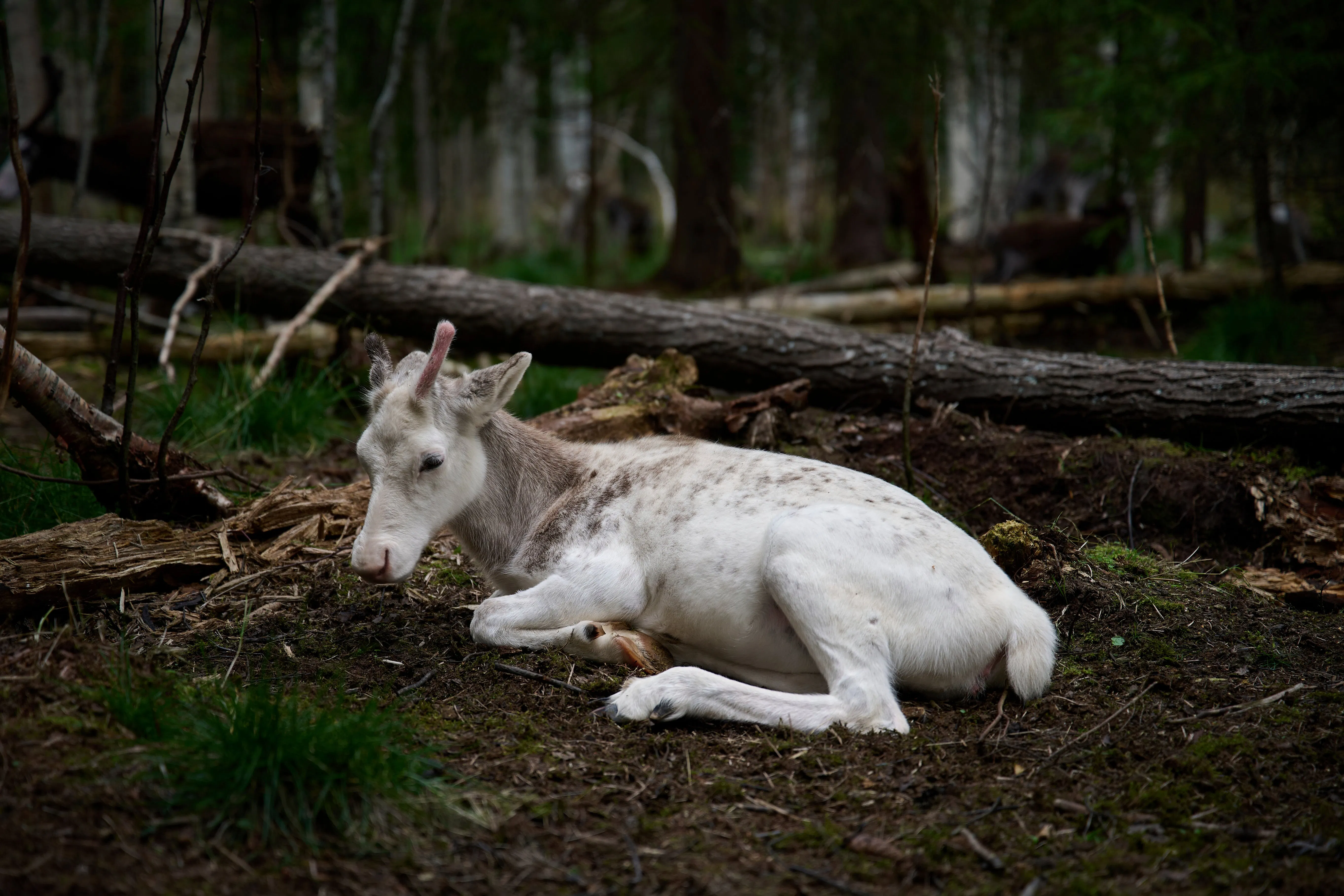
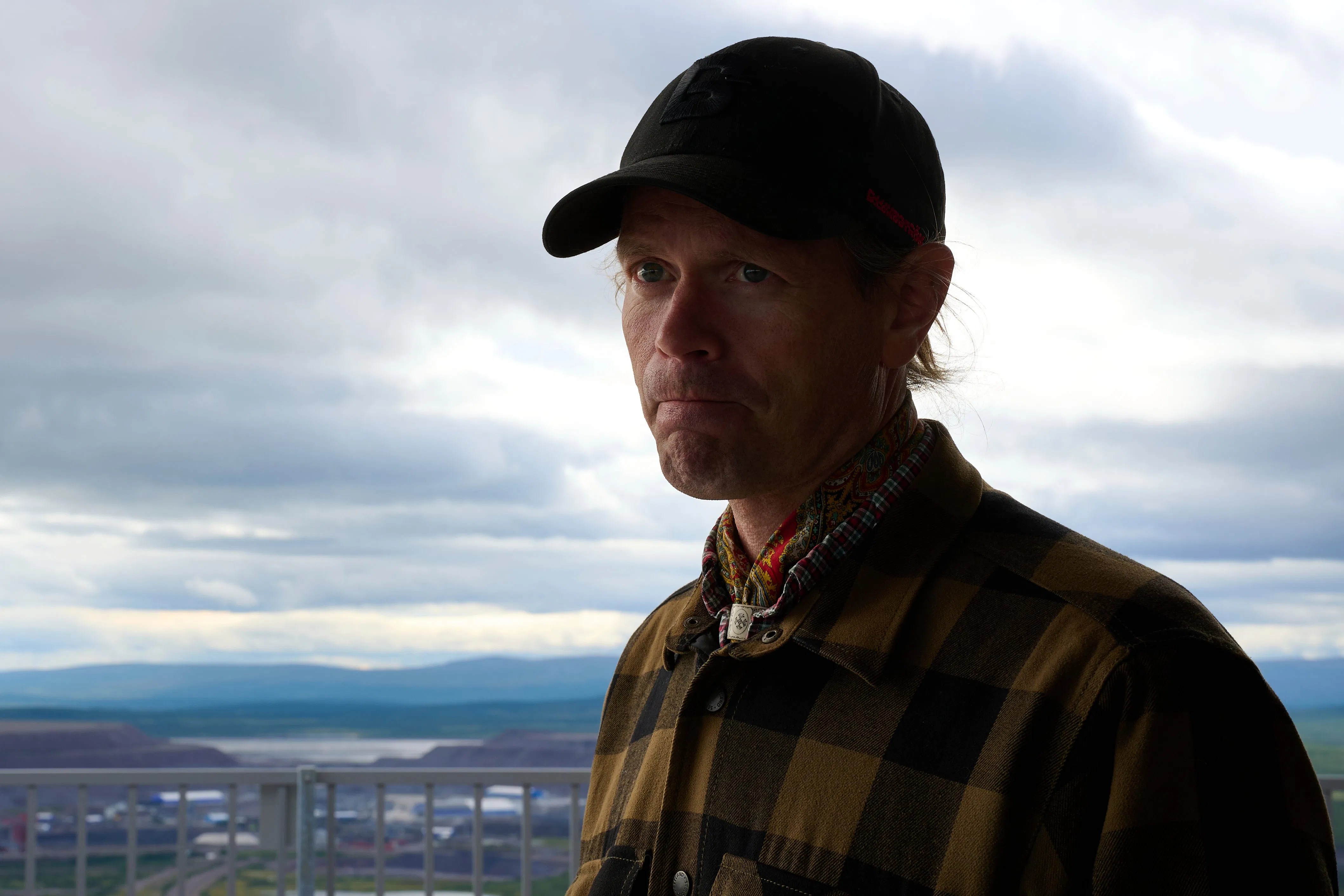
The tension stems from a rigid dichotomy in policy framing: the necessity of the Energy Transition against the Indigenous Rights of Europe's only recognized Indigenous group. While state actors promote these mines as "green," local herders, such as Lars-Marcus Kuhmunen of the Gabna village, identify these developments as the terminal point for their traditional economy.
Read More: Amazon Land Use Changes Cause Disease Clusters in Brazil
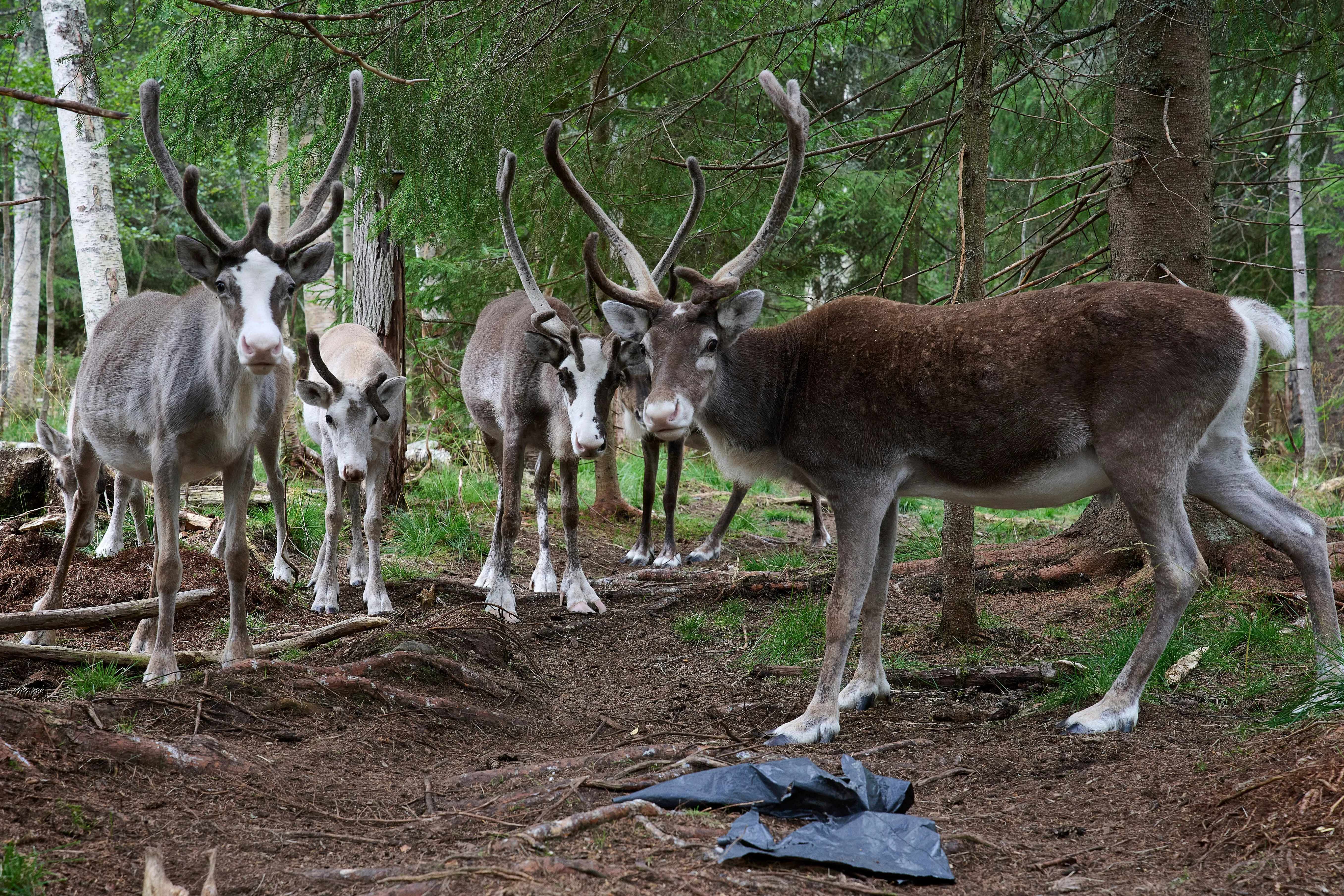
The Sami Parliament and local herding districts continue to contest these developments in court, though confidence in favorable legal outcomes remains low. The current state of affairs suggests that the shift toward electrified economies is replicating older colonial patterns, where remote Indigenous lands are viewed primarily as warehouses for raw material, rather than as living ecosystems defined by specific, ancestral human relationships.
Historical Context
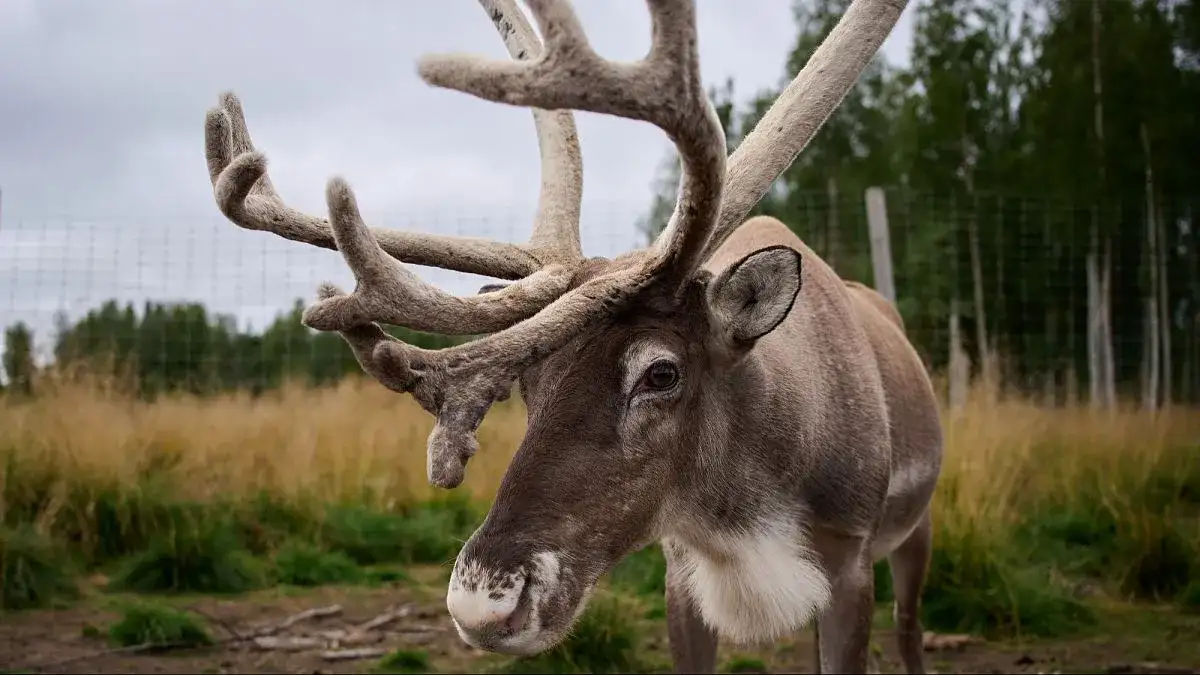
The current escalation follows years of pressure from the Green Energy shift. Since at least 2023, the discourse has pivoted from localized land-use concerns to broader structural questions regarding whether Europe can sustain its environmental objectives without perpetuating the destruction of northern minority cultures. Researchers note that Climate Change in the region is already thinning herd survival rates; the addition of industrial infrastructure effectively acts as a physical barrier that turns changing weather into a survival crisis, forcing herds into smaller, fragmented spaces.
Read More: AI and Indigenous Data Rights: New Laws Needed by April 2027