Intel is reportedly enacting a supply strategy that pressures personal computer manufacturers into adopting its newer, likely more expensive 18A-process chips. This comes as supplies of older Intel 7-based processors dwindle, forcing companies in markets like the US, China, and Taiwan to re-evaluate their product designs and supply chains. The shift appears to be a calculated move to bolster the adoption of Intel's next-generation technology, positioning it as crucial for the company's broader turnaround efforts.

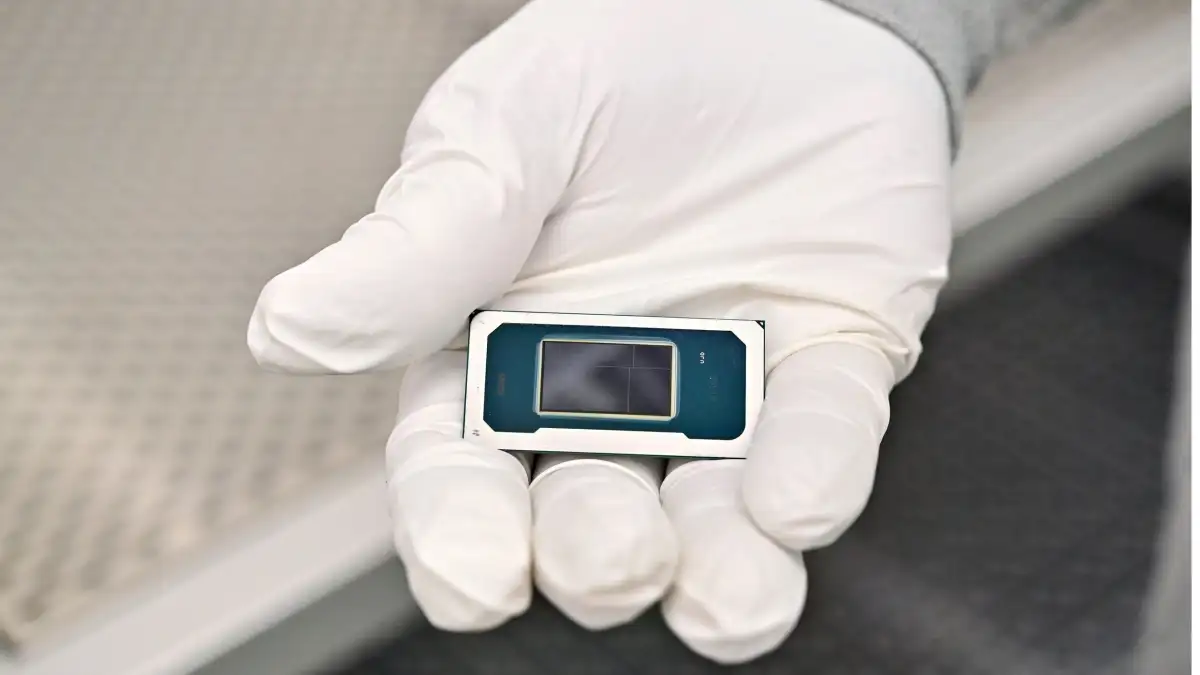
PC manufacturers are finding themselves in a difficult spot. Intel is reportedly curtailing the availability of its older Intel 7 chips, with existing capacity being redirected towards server and industrial uses where profit margins are deemed higher. This leaves Original Equipment Manufacturers (OEMs) with limited options, effectively pushing them towards newer processor families like Panther Lake (Core Ultra Series 3) and Wildcat Lake (Core Series 3), both slated for production on the 18A process.
Read More: ICE and Ornn Launch GPU Compute Power Futures Contracts
The Push for 18A: A Gamble on Future Tech
The emphasis on the 18A manufacturing process underscores its importance to Intel's strategic vision. This process is seen as a cornerstone of the company's attempt to regain its footing in a highly competitive semiconductor landscape. However, the transition is not without its complications. Reports suggest that the 18A process has encountered significant challenges, including potential 'yield woes' that could jeopardize the launch timelines for crucial products like the Panther Lake chips.

This situation creates a difficult paradox for PC builders. While Intel is pushing for the adoption of 18A, the availability of desktop CPUs on this cutting-edge process is currently non-existent, with future generations like Nova Lake anticipated to fill that gap. This means that for existing desktop lines, like the planned Arrow Lake Plus models, the situation remains unclear, potentially impacting the intended value proposition of those CPUs.
Read More: Embracer Group seeks partners for Saints Row and Deus Ex in May 2026
Doubts Emerge Over 18A's Long-Term Viability
Concerns have surfaced regarding the long-term commitment to the 18A process itself. Reports from mid-2025 indicate that Intel is contemplating a shift away from external customers for its 18A technology, focusing instead on its internal needs and advancing towards the even newer 14A process. Some sources even characterize the 18A endeavor as a significant financial setback. This strategic pivot suggests a reassessment of resources and market strategy, with the success of the 14A process becoming a key determinant of Intel's future market standing.
The tight supply of older chips and the push for 18A are significant developments that could reshape the personal computer market. Manufacturers are faced with the potential need for expensive redesigns and a reliance on technology whose future appears to be in flux, all while Intel attempts to navigate its own manufacturing and strategic challenges.
Read More: Google AI image labels in search results starting May 2026