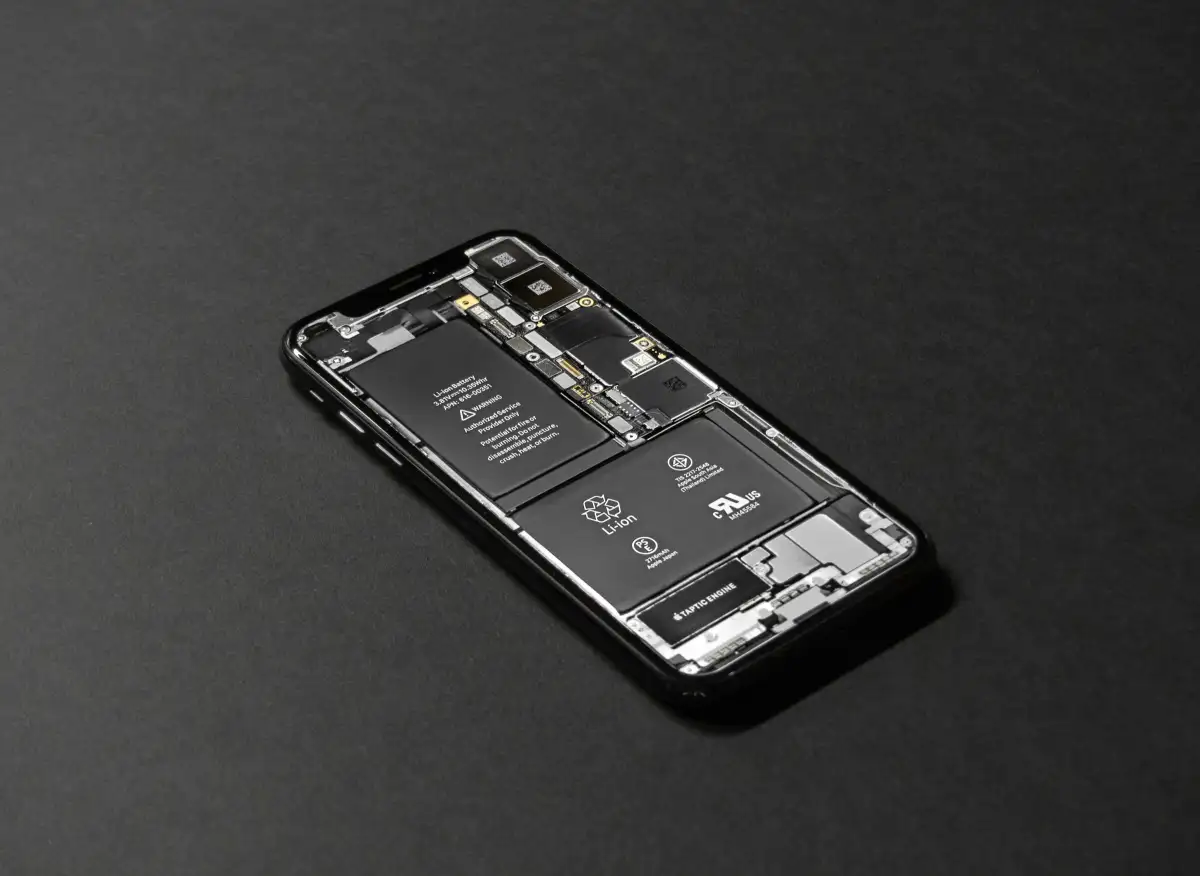
TSMC is actively developing fabrication processes that dip below the 2-nanometer mark, with initial targets for 1.6nm and potentially even 1nm nodes, signaling a future where Apple's devices will likely leverage these advancements. While the precise timeline remains fluid, these next-generation processes are being discussed in the context of iPhone releases from 2026 onwards, with speculation pointing towards the iPhone 18 and subsequent models. Apple, as a primary client for TSMC, is anticipated to be among the first to integrate these sub-nanometer technologies into its A-series and M-series chips.

The 2-Nanometer Horizon Approaches
TSMC's 2-nanometer (nm) process is slated to be a significant leap, with initial production facilities being established and plans for expansion underway. Apple is positioned to be the inaugural recipient of these 2nm chips, expected to debut in its devices around the iPhone 18 timeframe. This advancement is projected to power not only future iPhones, such as the iPhone 18, but also forthcoming iPads and Macs featuring M6 chips. Reports suggest that Apple may reserve the 2nm process for its higher-tier Pro models initially, potentially due to cost considerations. The adoption of these smaller nodes promises enhanced processing speeds, improved graphics performance, and greater energy efficiency, continuing the trend seen with previous node transitions.
Read More: Reddit Sues AI Firms Over Data Use in October 2025 Lawsuits

A Shifting Timeline for Current Nodes
The anticipated timeline for 2nm chips appearing in iPhones suggests a potential delay from earlier expectations. While initial rumors pointed to the iPhone 17 series, more recent analyses indicate that these devices might continue to utilize enhancements of the 3nm process. It appears likely that the iPhone 17 lineup will remain on a third-generation 3nm process, with the iPhone 18 models being the first to widely adopt the 2nm technology. This gradual rollout of new process nodes is a departure from Apple's previous two-year cycles with 7nm and 5nm technologies, suggesting a more intricate development and refinement phase for the 3nm and 2nm generations.
Beyond 2nm: The Sub-Nanometer Push
The technological frontier is already pushing beyond 2nm. TSMC has publicly outlined its next-generation fabrication processes, including a 1.6nm node, with production potentially commencing around 2026, aligning with the expected release of the iPhone 18. Further into the future, discussions are emerging about even more advanced 1.4nm and 1nm processes, with Apple actively exploring the possibility of securing manufacturing capacity for these nodes. This aggressive development path by TSMC, coupled with Apple's role as a key customer, strongly suggests that devices from 2027 onwards could feature processors built on these sub-2nm architectures. These future nodes are expected to incorporate new technologies like System-on-Wafer (SoW) and advanced packaging techniques to further boost performance and reduce physical space.
Read More: Jet Fuel Shortage Causes Flight Cancellations and Higher Fares
Historical Context and Technological Underpinnings
Apple has consistently been at the forefront of adopting TSMC's cutting-edge fabrication technologies. Its use of the 3-nanometer node for its latest iPhones and Macs, following the earlier adoption of 5nm and 7nm processes, highlights this symbiotic relationship. Each reduction in nanometer size typically translates to a denser integration of transistors, leading to more powerful and energy-efficient chips. TSMC's advancements in manufacturing techniques, such as the transition to Gate-All-Around (GAA) architectures and the development of specialized technologies like Super Power Rail (SPR), are crucial enablers of these smaller node sizes. These innovations are not merely about shrinking transistors but also about enhancing performance and power management, which are critical for the demanding applications in modern consumer electronics, including the growing interest in AI.