The path to Formula 1 remains a labyrinthine gauntlet, heavily skewed by financial muscle and sheer perseverance. Recent reports highlight that nearly every young driver navigating the junior racing ranks—from karting through Formula 4, FRECA, Formula 3, and Formula 2—originates from affluent backgrounds. The financial burden is immense, often necessitating millions to progress through these demanding categories. This reality underscores a stark disparity, where even considerable success, such as winning races in prestigious junior series, isn't always a guarantee of sponsorship or progression, sometimes forcing promising talents out of championships prematurely.

The economic reality of aspiring to Formula 1 is such that it's virtually impossible to compete without substantial financial backing. While talent is undoubtedly a prerequisite, it's frequently overshadowed by the prohibitive costs associated with racing at elite levels. Driver development programs within F1 teams have become more prevalent, representing the standard route for entry, yet even these programs often require significant personal investment from the drivers and their families.
Read More: Christian Horner to Attend 2026 British Grand Prix

The Ascending Ladder of Cost
The journey to F1 typically begins in karting, a foundational discipline where many future stars, including Max Verstappen's father Jos, hone their skills. From there, drivers must contend with increasingly expensive single-seater formulas.
Formula 4: A common starting point after karting, demanding considerable investment.
Formula Regional European Championship (FRECA): Represents a significant step up in both competition and cost.
FIA Formula 3 Championship: A crucial proving ground where drivers like O'Sullivan achieved runner-up status.
Formula 2: The final hurdle before F1, requiring the acquisition of an FIA Super License, itself contingent on a successful record in junior formulas.
Beyond the Track: The Unseen Pressures
The pursuit of an F1 dream extends beyond race wins and podiums. Drivers frequently face intense uncertainty regarding their funding and race participation, even at the start of a season. This prolonged period of anxiety and a lack of consistent support can be a significant personal challenge, forcing drivers to develop resilience and adaptability.
Furthermore, while merit and performance are paramount, the article also touches on the idea that background, gender, or race should not be impediments, though the financial barriers implicitly raise questions about equitable access.
Support Structures and Industry Roles
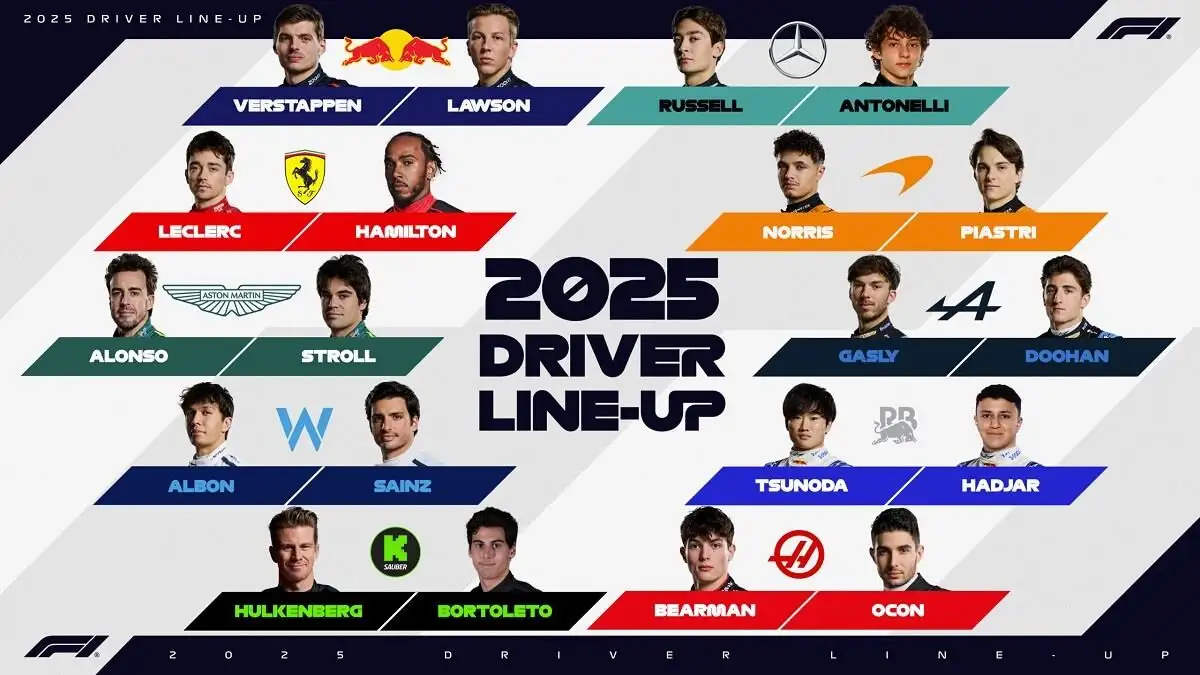
Even when drivers are backed by F1 teams, the financial aspect remains a substantial concern. Support from these elite teams, while valuable, does not always negate the need for personal wealth. Beyond the drivers, the F1 ecosystem includes specialized roles, such as Pirelli tyre engineers and fitters, who work closely with teams to optimize performance, illustrating the complex professional structure surrounding the sport. The experiences of drivers like Hadjar and Bearman, and the celebrated debut of Oscar Piastri, offer glimpses of hope, fueled by recent performances that have injected belief into the aspirations of new talent.
Read More: Solaris Energy SEI Stock Price Forecast Reaches $91.98 by July 2027