Europe faces a looming jet fuel deficit, with warnings of critically low supplies potentially lasting only six weeks if Middle Eastern shipments remain obstructed. The ripple effects are already manifesting globally, compelling airlines to slash flight schedules, impose hefty surcharges, and escalate ticket prices. This crisis, directly linked to the ongoing conflict involving the U.S., Israel, and Iran, has sent jet fuel costs soaring, roughly doubling since the war's inception.

The crux of the issue lies in the disruption of vital shipping routes, particularly the Strait of Hormuz, a critical chokepoint for oil and refined products originating from the Middle East. The U.S. naval blockade and Iran's closure of the strait have effectively choked off a significant portion of the global jet fuel supply. While some crude oil can bypass the blockage via pipelines, jet fuel lacks such alternative transit options, making its availability acutely vulnerable.
Read More: Sitges Beach Access Changes Affecting Home Mort and Desenrocada

Airlines worldwide are scrambling to adapt. Scandinavian carrier SAS has announced the cancellation of approximately 1,000 flights throughout April, citing the dramatic surge in jet fuel costs as the primary driver. Ryanair, Europe's largest airline, is reportedly contemplating route reductions and capacity cuts for the summer months if the fuel scarcity persists. Other carriers, including Air India, Air New Zealand, and Delta Airlines, are implementing similar measures, ranging from flight cancellations to increased baggage fees and adjusted fuel surcharges. China Eastern Airlines has already raised domestic flight surcharges, while Korean Air has entered emergency management mode.
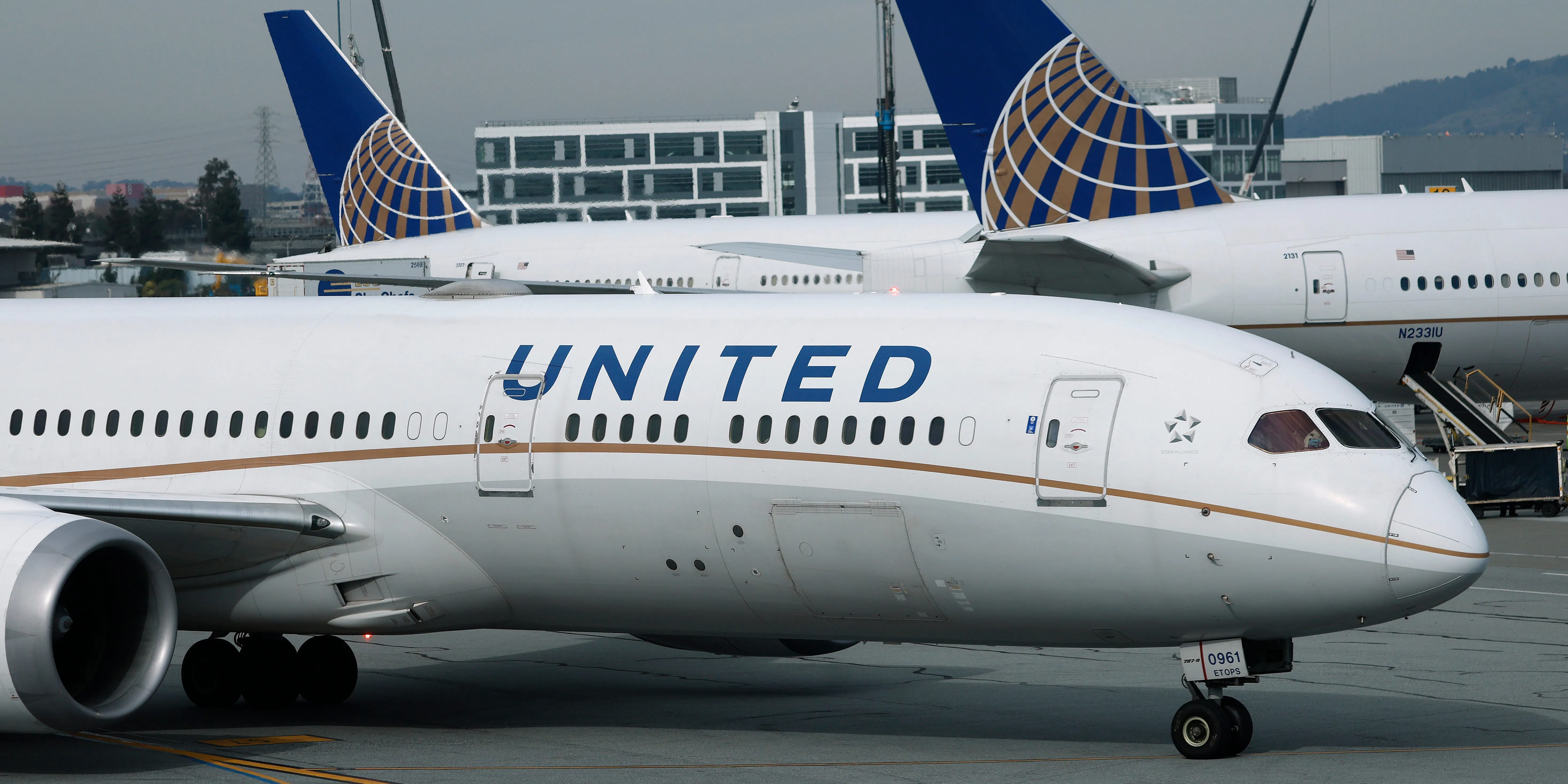
The economic ramifications for Europe are substantial, particularly with the peak summer travel season on the horizon. Airports group ACI Europe has sounded the alarm, indicating that a severe shortage could impact travel within three weeks, potentially disrupting a sector that contributes significantly to the EU's GDP and supports millions of jobs. The airline industry, characterized by its sensitivity to price fluctuations, is particularly exposed, with fuel costs rapidly passed on to consumers.
Read More: DailyObjects Aims for ₹230 Crore Revenue by March 2026
While the U.S., a major oil producer, reports less concern over immediate jet fuel availability domestically, the elevated global prices translate to more expensive flights for travelers. The intricate network of refined product flows, which rely heavily on Middle Eastern refineries, has been profoundly shaken. This leaves nations dependent on these supplies, such as many in Europe, facing stark choices and the prospect of severe travel disruptions.
The conflict, which escalated following the collapse of peace negotiations between the U.S. and Iran, has placed immense pressure on Tehran through oil export restrictions. However, this geopolitical maneuver has precipitated a global energy market shock, with jet fuel emerging as a particularly vulnerable commodity. The final shipments of Gulf jet fuel to the UK and mainland Europe, traversing the Strait of Hormuz before its closure, have arrived, offering only a temporary reprieve.
Read More: Margot Robbie seen at Club 55 Saint-Tropez yesterday in casual outfit