Opposition Leader Angus Taylor has signaled a significant shift in the Liberal Party's climate strategy, moving away from a focus on nuclear energy and centering the debate on the role of coal in reducing power costs. This marks the opening salvo in what is being termed 'Climate War 3.0'.
Taylor's new policy emphasizes fossil fuels as a means to cut electricity bills, a stark departure from the previous stance under Peter Dutton, which, while critical of renewables, still aimed for emissions reduction through nuclear power. The alignment of Taylor's approach with One Nation's calls for publicly funded new coal plants suggests a broadening of the Liberal's appeal, potentially resonating with voters concerned about energy prices and traditional energy sources.
Energy Minister Chris Bowen countered these claims by referencing reports from the Australian Energy Regulator, which have indicated that older, increasingly unreliable, and costly-to-operate coal plants are a key driver of rising power prices. CSIRO findings, he noted, consistently point to renewable energy as the most cost-effective source of new electricity generation. Queensland's state government, however, has indicated a continued reliance on coal for decades, committing to maintain existing facilities.
Read More: Taiwan Holds Nantou County Drills to Prepare for State Collapse
Global Context on Coal's Role
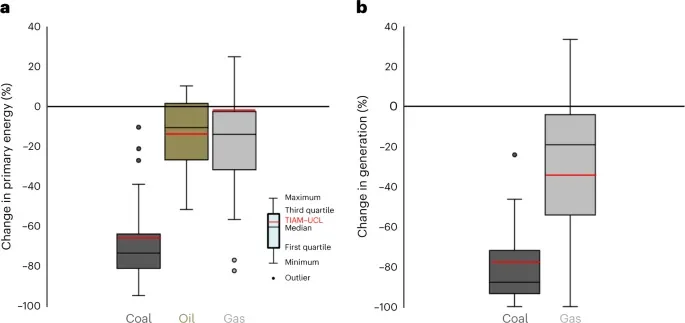
The International Energy Agency (IEA) has highlighted coal's problematic position in 'Net Zero Transitions', stating in a November 2022 report that all long-term scenarios meeting international climate goals necessitate a rapid decrease in global coal emissions. While acknowledging the cost-effectiveness of renewables for new power generation, the IEA also points out the considerable difficulties in reducing emissions from the current global fleet of coal-fired power plants.
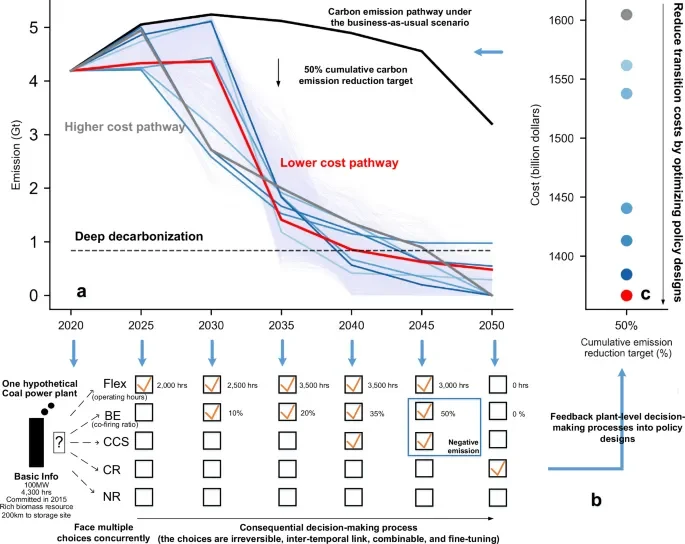
Research published in Nature Climate Change in February 2023 explored the 'socio-political feasibility of coal power phase-out and its role in mitigation pathways'. Similarly, a January 2025 Nature Communications paper examined 'reducing transition costs towards carbon neutrality of China’s coal power plants', underscoring the global challenges associated with managing existing coal infrastructure in the pursuit of climate objectives. The complexity of these transitions is further evidenced by datasets tracking coal plants globally, such as that maintained by Global Energy Monitor.
Read More: Solaris Energy SEI Stock Price Forecast Reaches $91.98 by July 2027