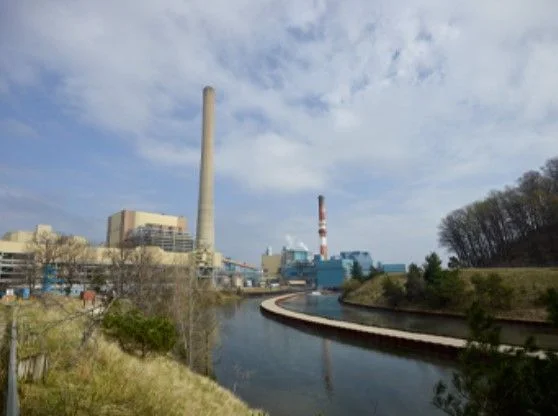
A west Michigan coal-fired power plant, the J.H. Campbell Generating Complex, has been repeatedly ordered by the Trump administration to remain operational past its scheduled May 31, 2025, closure. The U.S. Department of Energy's directives, issued multiple times, argue that the plant is necessary to maintain energy reliability and keep costs low in the Midwest. However, these orders have faced significant pushback from environmental groups, the utility operator Consumers Energy, and state officials, with legal challenges already underway.

The latest order extends the plant's operation until February 17, 2026, totaling 270 days beyond its initial retirement date. This persistent intervention comes despite Consumers Energy not requesting the extension and facing costs for operating the plant even when not at full capacity. The total cost to ratepayers for keeping the plant online has been estimated at $113 million.
Read More: Solaris Energy SEI Stock Price Forecast Reaches $91.98 by July 2027

Repeated Orders, Growing Opposition
The Trump administration has issued at least three separate orders to keep the 63-year-old Campbell plant running. The initial order in May extended its life for three months, citing the need for reliable electricity during the summer. This was followed by subsequent 90-day extensions, the most recent of which pushes the closure date to February 17, 2026.
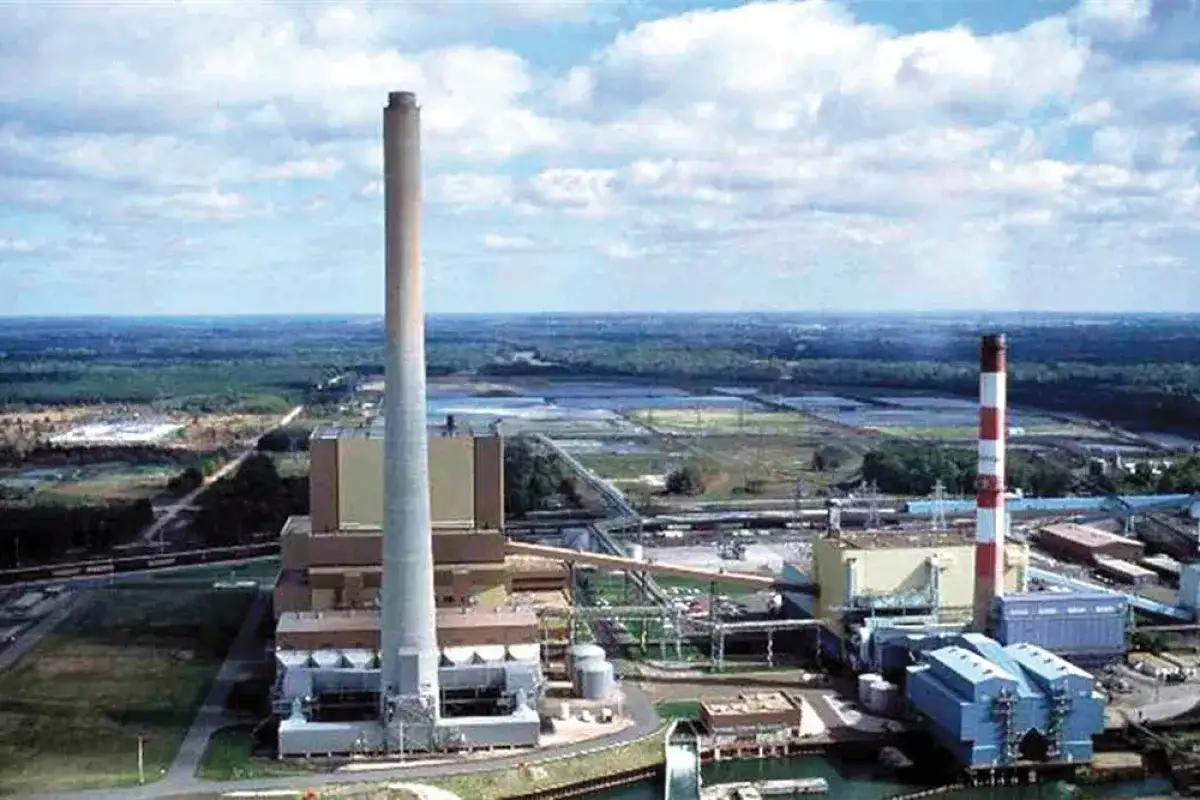
These decisions have drawn criticism from various quarters:

Consumers Energy, the plant's operator, initially planned to retire the plant to save customers money and reduce greenhouse gas emissions. While complying with the orders, the utility has stated it did not request the extensions.
Environmental groups, including the Environmental Defense Fund (EDF), Sierra Club, and the Michigan Environmental Council, argue the orders are illegal and unnecessary. They highlight data suggesting coal plants, including Campbell, experience frequent outages due to equipment failure, contradicting claims of reliability.
Michigan's attorney general's office has also challenged the administration's mandates, filing lawsuits over the matter. State and regional energy regulators have reportedly expressed no concerns about imminent energy shortages in the region.
The Cost of "Reliability"
The push to keep the Campbell plant online comes at a substantial financial cost. Reports indicate that operating the aging facility has cost ratepayers approximately $113 million. Environmental groups like EDF also point to significant financial losses and breakdowns at the plant, even while under the administration's extended operating orders.
Beyond the financial burden, the continued operation of the coal plant carries a significant environmental impact. The plant emits approximately 7.7 million tons of carbon dioxide annually when burning coal. The administration's justification for these orders often revolves around "emergency powers," typically reserved for wartime or disaster situations, a rationale that has been met with skepticism and legal challenges.
Read More: McCoy Biagioli wins 115th Michigan Amateur Golf Title on July 3 2026
Background: A Shift in Energy Landscape
The J.H. Campbell Generating Complex, located in West Olive, Michigan, has been a fixture in the state's energy landscape for decades. However, in recent years, utilities like Consumers Energy have been transitioning towards cleaner energy sources, driven by economic factors and environmental considerations. The increasing affordability of natural gas and renewable energy alternatives has made older, coal-fired plants less competitive. The Trump administration's insistence on keeping this plant operational appears to run counter to this broader trend, sparking a contentious debate over energy policy, reliability, and the future of fossil fuels.