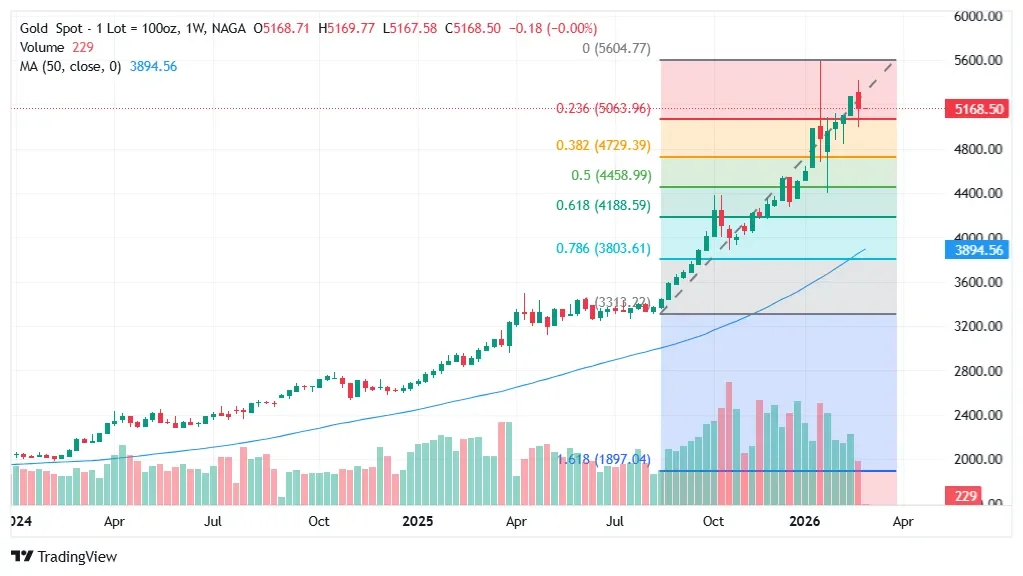
Gold prices have seen a nearly 10% drop, defying expectations from several financial institutions that had maintained price outlooks around $5,800. This significant price adjustment occurred despite a surge in oil prices and heightened geopolitical tensions, factors that historically tend to boost gold's appeal as a safe-haven asset. The downturn suggests a complex interplay of forces influencing capital flows and investor sentiment.
The primary drivers behind gold's recent fall appear to be a rotation of capital out of the precious metal, altered inflation expectations, and a recalibration of monetary policy outlooks. Even as geopolitical risks remain elevated, rising oil prices, which typically fuel inflation concerns, seem to be pushing investors away from gold in the short term. This paradox highlights a departure from traditional market responses.
Divergent Forecasts and Investor Behavior
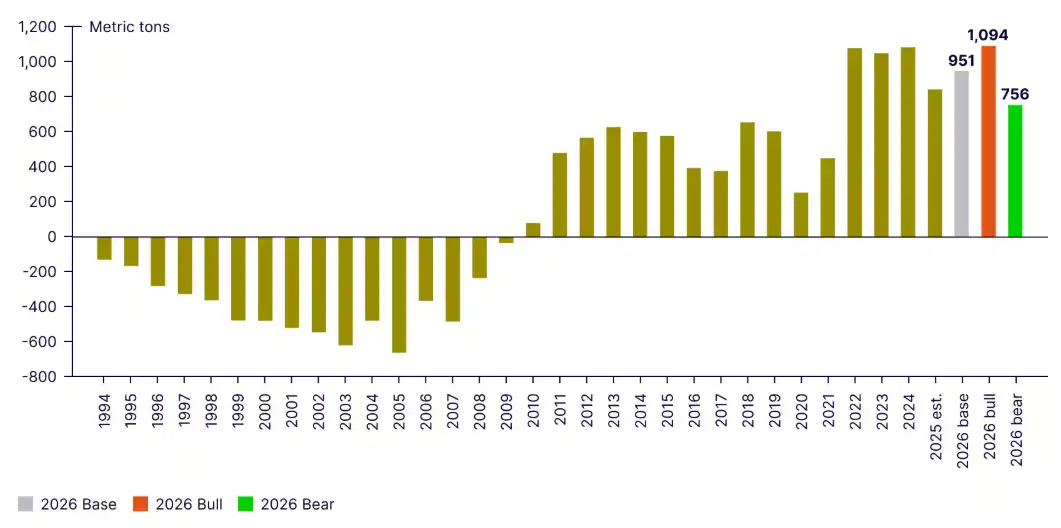
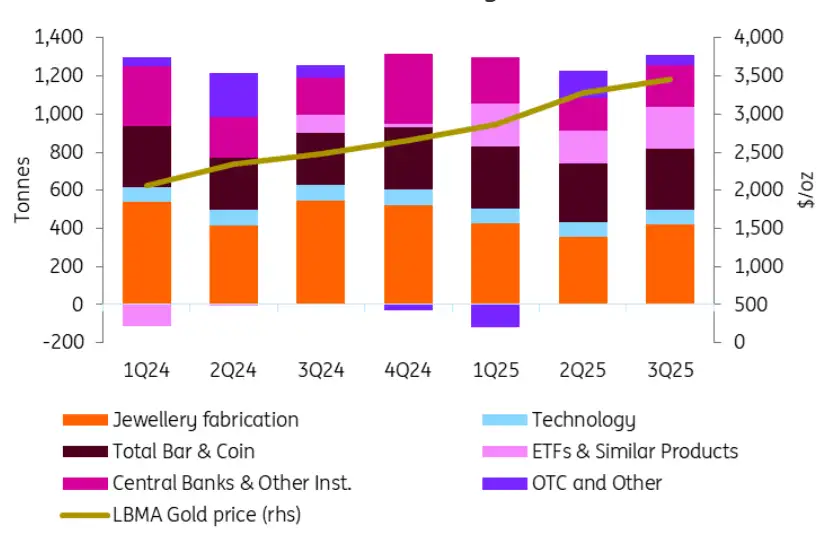
While analysts from institutions like J.P. Morgan Global Research and others had projected sustained strong demand from investors and central banks, averaging around 585 tonnes per quarter, the market has responded differently. Reports from sources such as Kitco Analysis and LiteFinance indicate that some banks, including J.P. Morgan, ANZ, and HSBC, had earlier anticipated volatility but still pegged targets around the $5,800 mark. However, recent market movements indicate a departure from these projections.
Read More: Solaris Energy SEI Stock Price Forecast Reaches $91.98 by July 2027
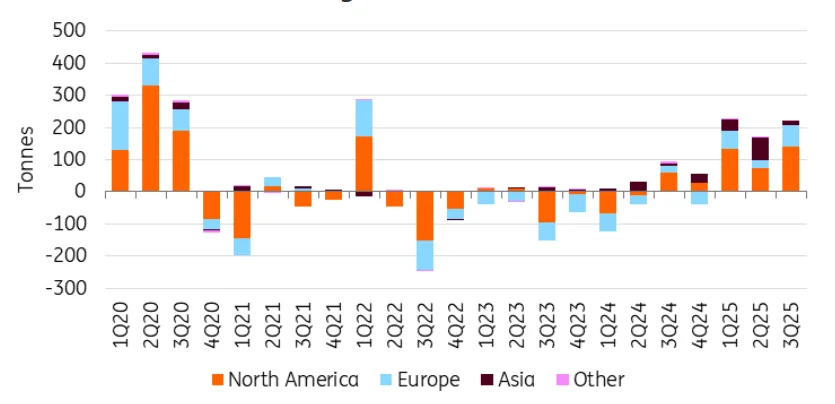
Investors appear to be reacting to a disappointing performance in the first quarter of 2026. Data from popular gold exchange-traded funds (ETFs), like the SPDR Gold Trust (GLD), show outflows in recent weeks, suggesting that some investors are beginning to exit their gold positions. This shift in behavior occurs even as some analysts, including those quoted by Investopedia, advise against abandoning gold, emphasizing its role as a diversification tool and its potential for long-term upside.
Gold's Enduring Role and Market Volatility
Despite the current price dip, gold continues to be viewed as a vital asset for portfolio diversification and crisis resilience. VanEck, in its outlook for 2026 and beyond, highlights gold's long-term potential, acknowledging that periods of volatility are to be expected. The inherent volatility of gold, despite its reputation as a safe haven, stems from sustained demand that often supports higher prices, though this demand is subject to shifting macroeconomic expectations.
Read More: Fastmarkets changes 26 tube and pipe prices to math formulas in 2026
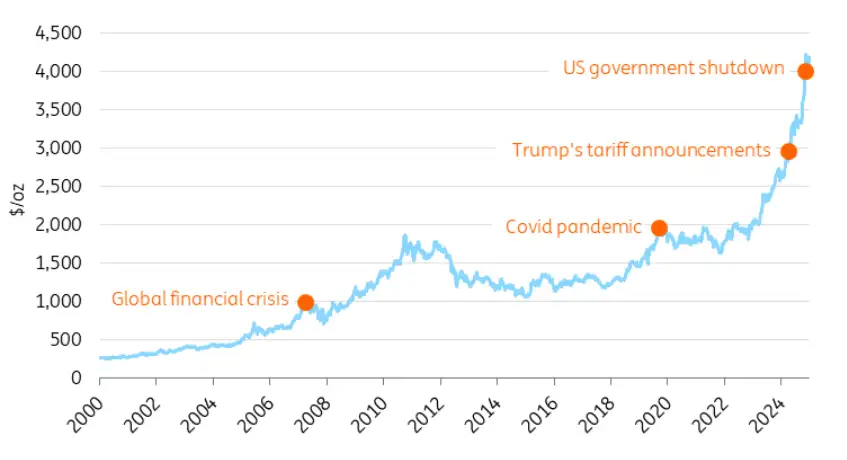
The factors influencing gold prices are multifaceted. They include the strength of the US dollar, which can put downward pressure on the yellow metal, as well as fundamental economic indicators and geopolitical events. While some analysts have focused on technical analysis, forecasting potential breakouts in patterns like symmetrical triangles, the current market environment seems to be dominated by broader economic and political considerations, leading to the recent significant price decline.