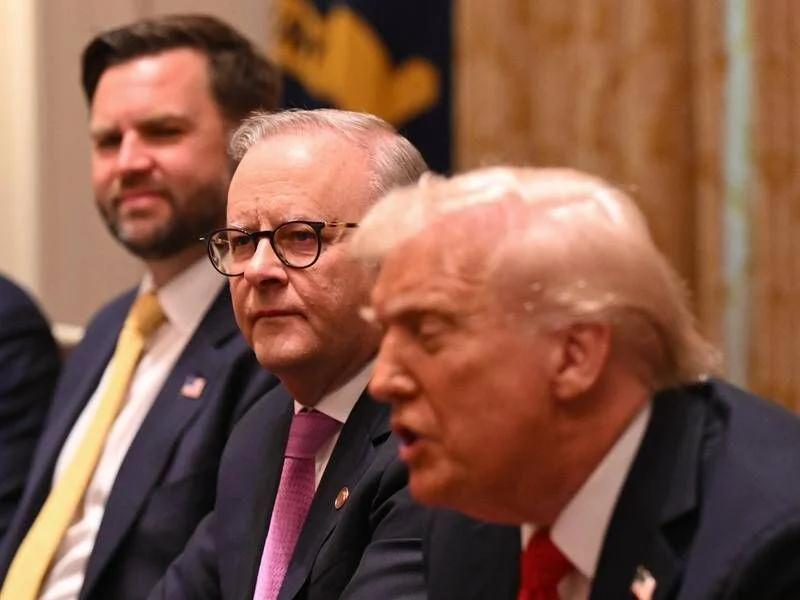
Prime Minister Anthony Albanese has publicly branded US President Donald Trump's threats against Iran as "extraordinary" and "inappropriate," marking a notable shift in his previously measured approach to the volatile US leader. The comments, made in rare moments of direct criticism, follow a two-week ceasefire agreement between the US and Iran, which saw a temporary suspension of attacks in exchange for the reopening of the Strait of Hormuz, a critical oil shipping lane.
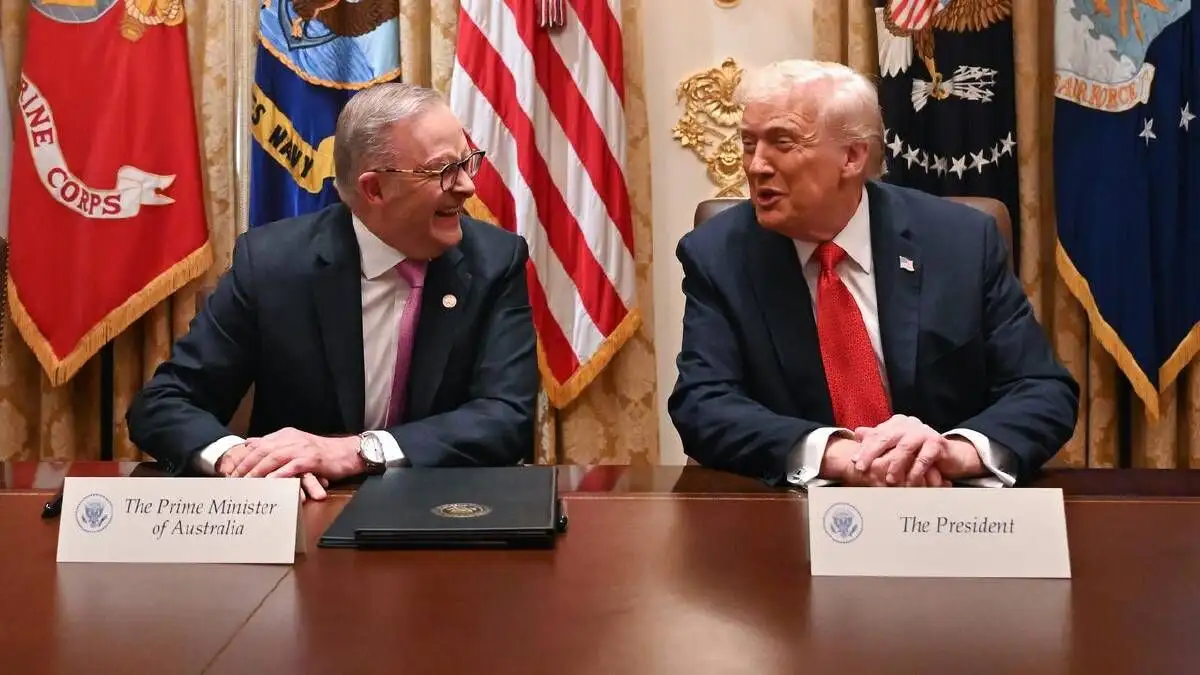
Albanese's direct criticism, calling Trump's threats to bomb bridges and power plants, and to end Iran's "whole civilisation," as "beyond the realms of acceptability," signals a potential recalibration of Australia's foreign policy stance under the strain of the escalating conflict.
This direct critique stands in contrast to Albanese's prior strategy of largely avoiding public commentary on Trump's pronouncements, a tactic aimed at preventing provocation and maintaining diplomatic ties. The shift appears to be a calculated response to rhetoric that the Prime Minister evidently believes has crossed an unacknowledged line.
Read More: Taiwan Holds Nantou County Drills to Prepare for State Collapse
A Shift from Restraint
Previously, Albanese had maintained a position of non-engagement with Trump's more inflammatory statements, opting not to "buy-in and don't bite back." This approach, however, seems to have been superseded by the severity of Trump's threats, which included the potential widespread bombing of civilian infrastructure if Iran did not surrender by a self-imposed deadline. The Prime Minister's office indicated that silence was no longer an option under these circumstances.
Broader Political Reactions and Economic Concerns
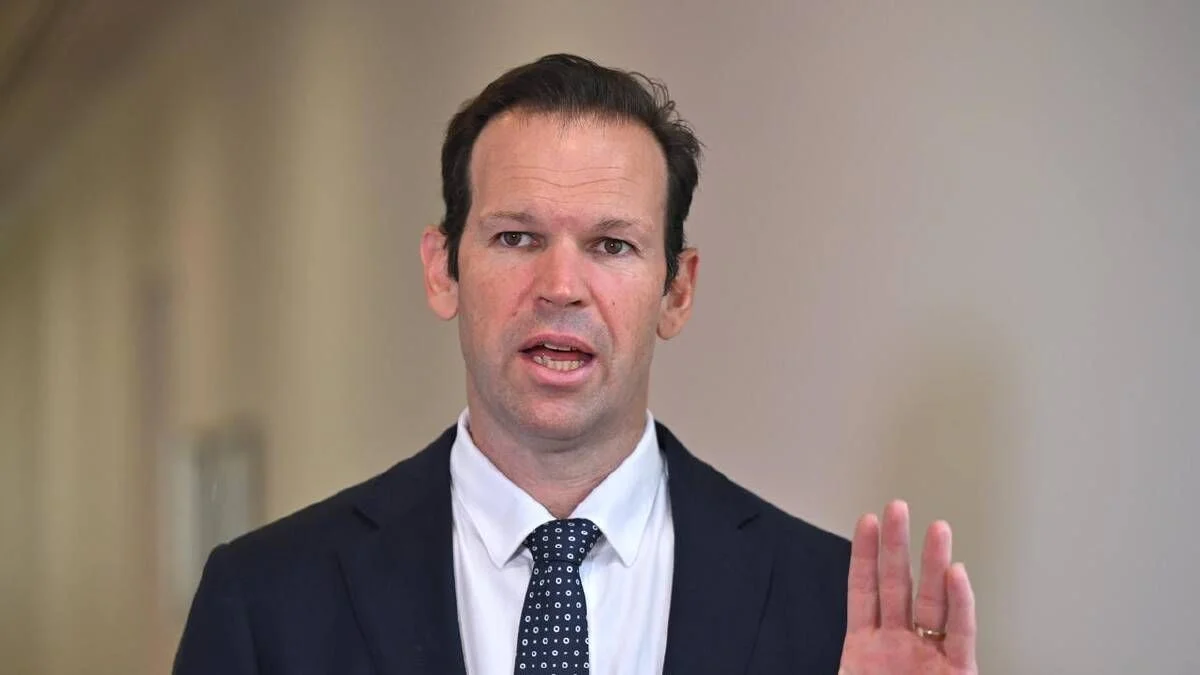
The situation has also drawn commentary from within Australia's political landscape. Nationals leader Matt Canavan has echoed sentiments of criticism towards Trump's threats, calling them "extraordinary" and suggesting Australia should not support such actions. This position has placed Canavan at odds with some Liberal counterparts, who, while welcoming the ceasefire, have been more reserved in their direct criticism of the US President.
Read More: AFP Reviews War Crime Claims Against Australian in Gaza
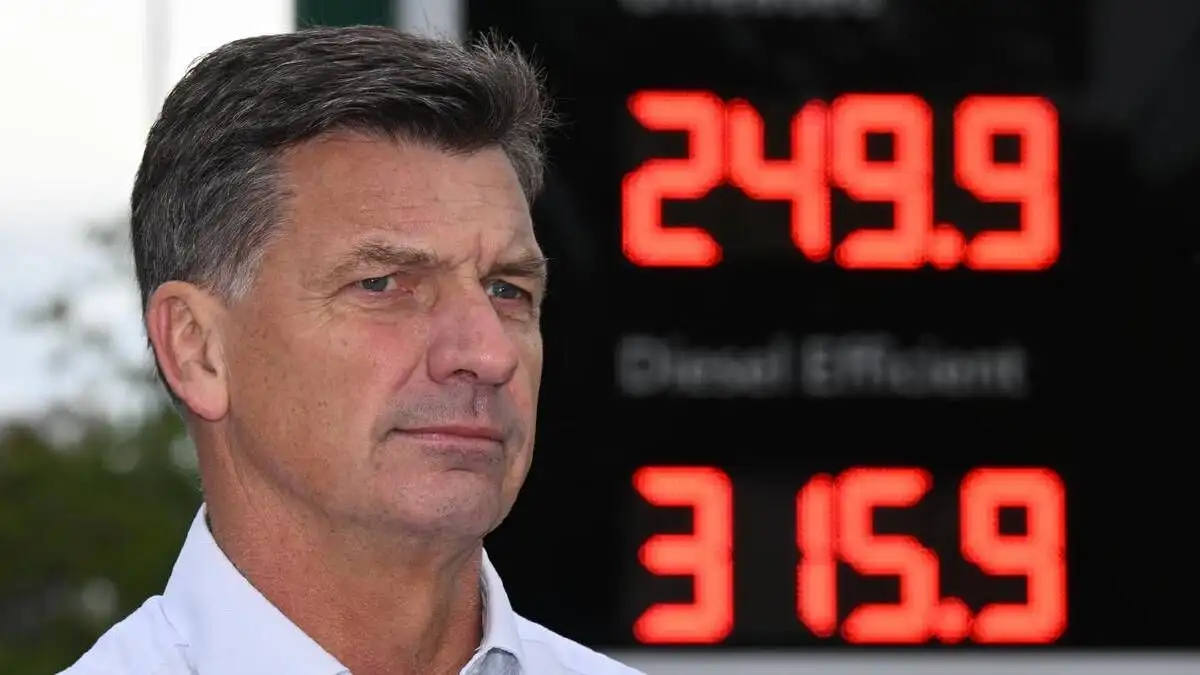
Meanwhile, the economic ramifications of the conflict remain a significant concern. Truck drivers have warned of an impending industry shutdown due to fuel crises, with calls from the Coalition for the government to clarify the impact of the Strait of Hormuz's conditional reopening on Australian fuel prices and supply. The de facto closure of this vital waterway has already sent oil prices soaring and disrupted global supply chains.
Context of the Iran War and Ceasefire
The recent developments stem from a broader conflict initiated by US and Israeli strikes on February 28th, which Iran retaliated against by effectively shutting down the Strait of Hormuz. The subsequent two-week ceasefire agreement, brokered by Trump, offers a temporary reprieve, but questions linger regarding the long-term implications for Iran's nuclear program and the stability of the region.
Ernest Moniz, a former US energy secretary involved in the Obama-era Iran nuclear deal, has noted the precariousness of the situation, highlighting that allies remain in an "awkward position" unless Iran makes significant concessions. The uncertainty surrounding Iran's enriched uranium stockpile adds another layer of complexity to the fragile peace.
Read More: FBI Analysts Review Georgia 2020 Election Data in Fulton County
Australia, while welcoming the ceasefire, has stressed the need for de-escalation and clear objectives. The government's stance reflects a broader international unease with the unpredictable nature of the conflict and the rhetoric employed by key players.