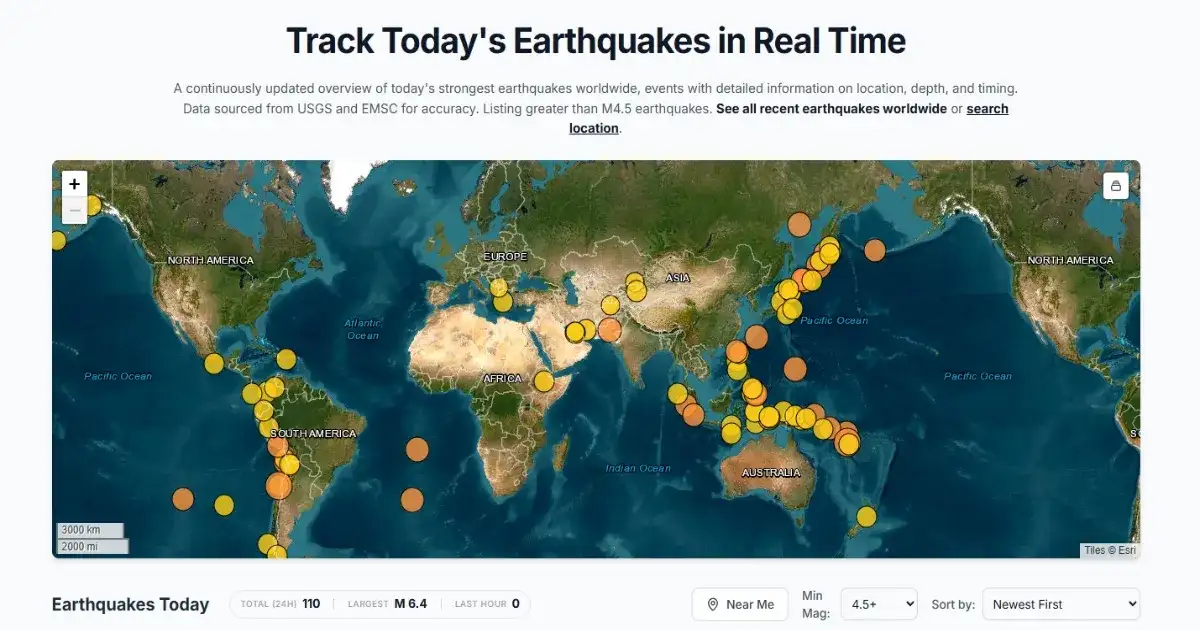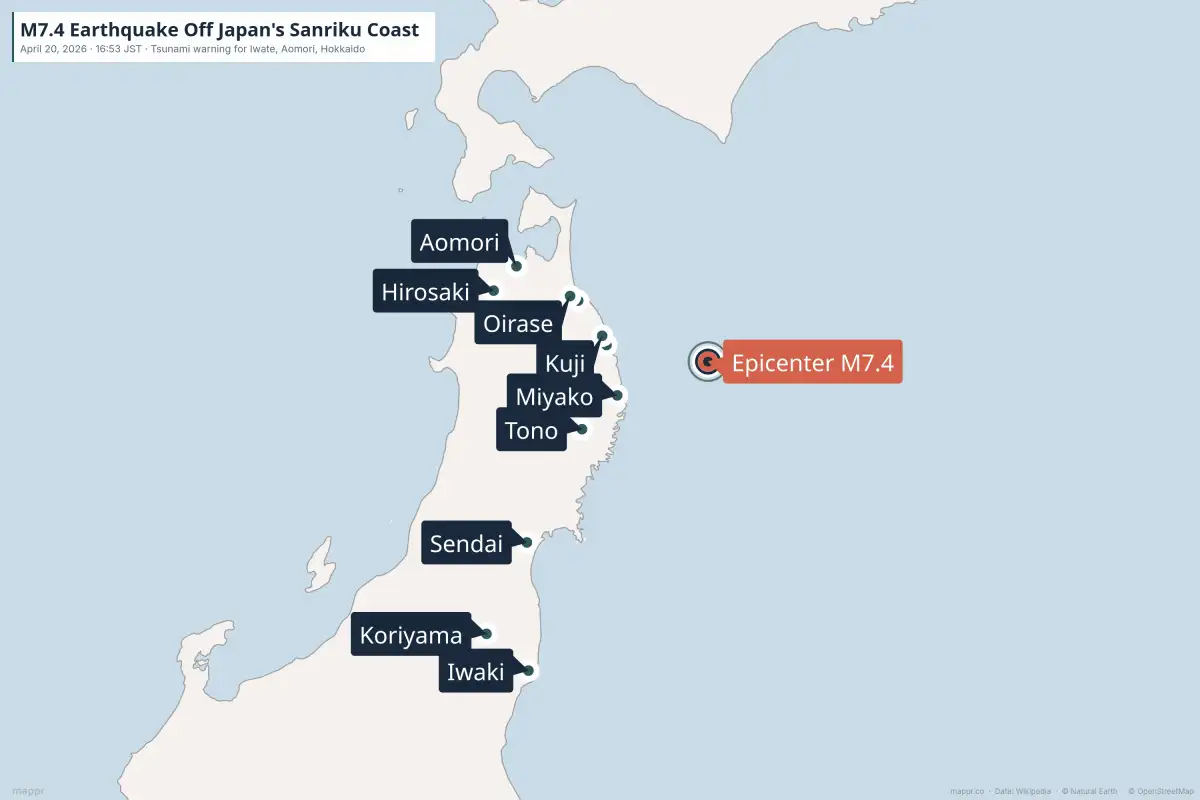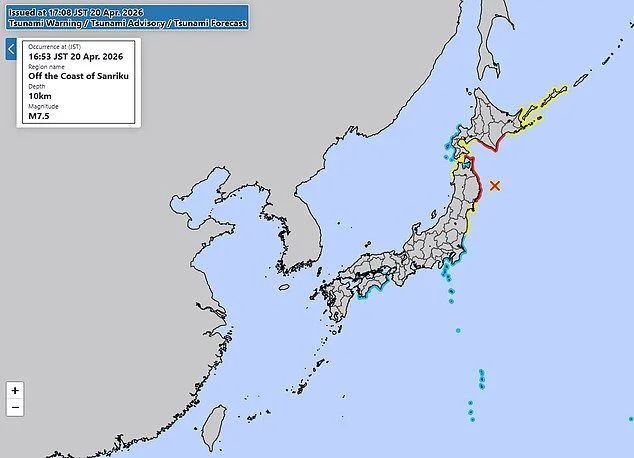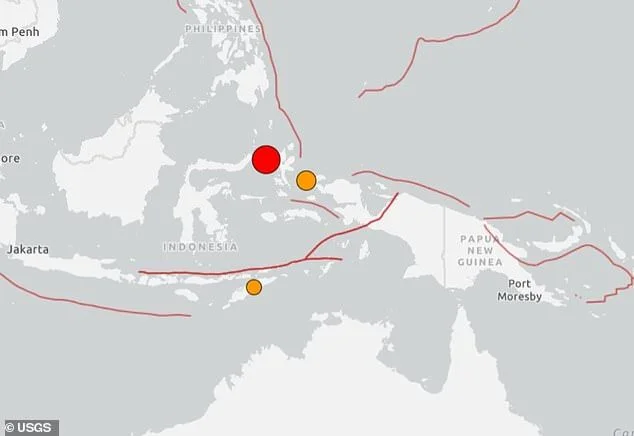
A significant 7.4 magnitude earthquake ruptured the seabed west-northwest of Ternate, Indonesia, according to data from the United States Geological Survey (USGS). The tremor's force has prompted the Pacific Tsunami Warning Centre to issue advisories regarding potential tsunami threats for Indonesia, the Philippines, and Malaysia.
The earthquake's epicentre was pinpointed 127 kilometers off the coast, near Ternate, a city with a population exceeding 205,000. While this specific event registered at a substantial magnitude, it occurs against a backdrop of considerable seismic activity. On average, the region experiences an earthquake of magnitude 7 or higher annually. Past records indicate a frequent occurrence of seismic events, with the majority registering below magnitude 5, and a notable 153 events surpassing magnitude 5 in number.
The geological disruption underscores the volatile nature of the 'Ring of Fire,' a region renowned for its intense seismic and volcanic activity. This area, encircling the Pacific Ocean basin, is where a significant percentage of the world's earthquakes and volcanic eruptions occur. The precise impact of the tsunami warning on coastal communities remains under observation.
Read More: Minor Earthquakes Felt Across US West Coast States on June 5
BACKGROUND: GEOLOGICAL CONTEXT AND REGIONAL VULNERABILITY
Indonesia, an archipelago nation situated on the Pacific Ring of Fire, is inherently susceptible to significant seismic events due to its location at the convergence of several tectonic plates. These immense geological forces regularly cause stress to build up, releasing energy in the form of earthquakes. The region's susceptibility to both earthquakes and the subsequent threat of tsunamis has led to the development of various early warning systems and preparedness measures.
The Philippines and Malaysia, also bordering the Pacific Ocean, share similar geological characteristics and face comparable risks. The repeated occurrence of strong seismic activity in this zone highlights the ongoing need for robust disaster response mechanisms and public awareness campaigns regarding earthquake and tsunami safety.