The World Health Organization (WHO) has formally classified the current Ebola outbreak in the Democratic Republic of the Congo (DRC) and Uganda as a 'Public Health Emergency of International Concern' (PHEIC). As of May 19, 2026, health authorities report eight laboratory-confirmed cases, roughly 336 suspected cases, and at least 87 suspected deaths.

The pathogen has reached Kinshasa, the capital of the DRC, significantly expanding the known geographic scope from the initial epicenter in Ituri Province.
Cross-border transmission is confirmed, with two laboratory-confirmed cases identified in Kampala, Uganda, involving individuals who traveled from the affected Congolese region.
At least four healthcare workers are among the dead, indicating failures in infection prevention protocols within clinical settings.
The United States has enacted public health entry restrictions following the diagnosis of a U.S. national with the strain within the DRC.
Official Stance and Travel Policy
Despite the emergency declaration, the WHO explicitly advises against the implementation of international travel or trade restrictions. The agency maintains that while the situation is grave, it does not currently fulfill the criteria for a pandemic emergency under the International Health Regulations.

| Metric | Status / Data |
|---|---|
| Outbreak Origin | Mongwalu health zone, Ituri, DRC |
| Initial Detection | April 24, 2026 (Nurse) |
| Confirmed Deaths | 87 (Suspected) |
| Geographic Reach | Ituri, Kinshasa, and Kampala |
Epidemiological Context
The virus circulating in this outbreak is reportedly a rare variant, complicating the medical response as established treatments for common strains may not be effective. Medical intervention is currently limited to symptomatic care.
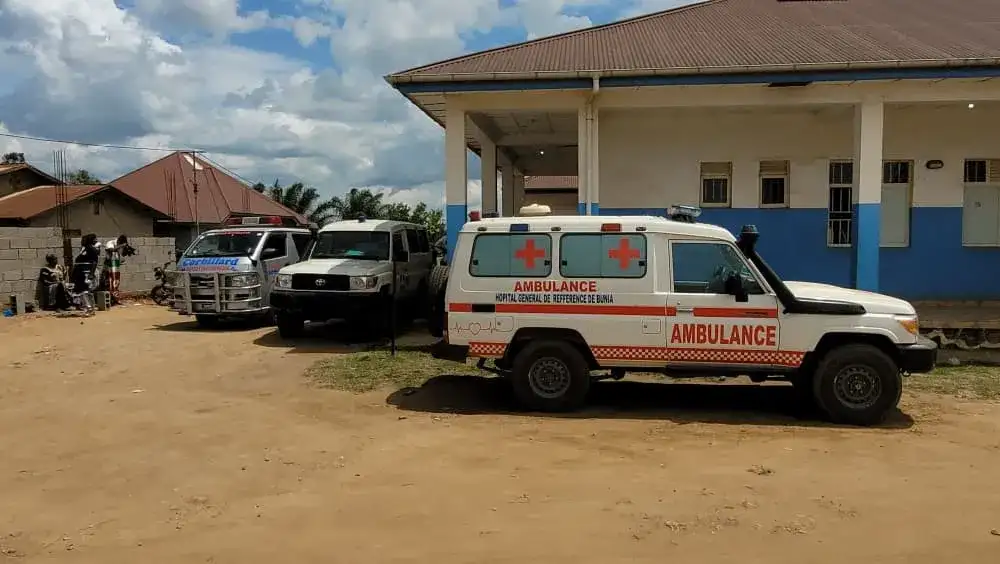
The Africa Centres for Disease Control and Prevention (Africa CDC) initiated high-level coordination with health officials from the DRC, Uganda, and South Sudan following the confirmation of the cluster on May 15. The Mongwalu zone, characterized by high-traffic mining operations, remains the primary concern for containment efforts due to the difficulty of monitoring movement in such remote, mobile populations.
Read More: India IVF Costs And Social Barriers Limit Access In April 2026
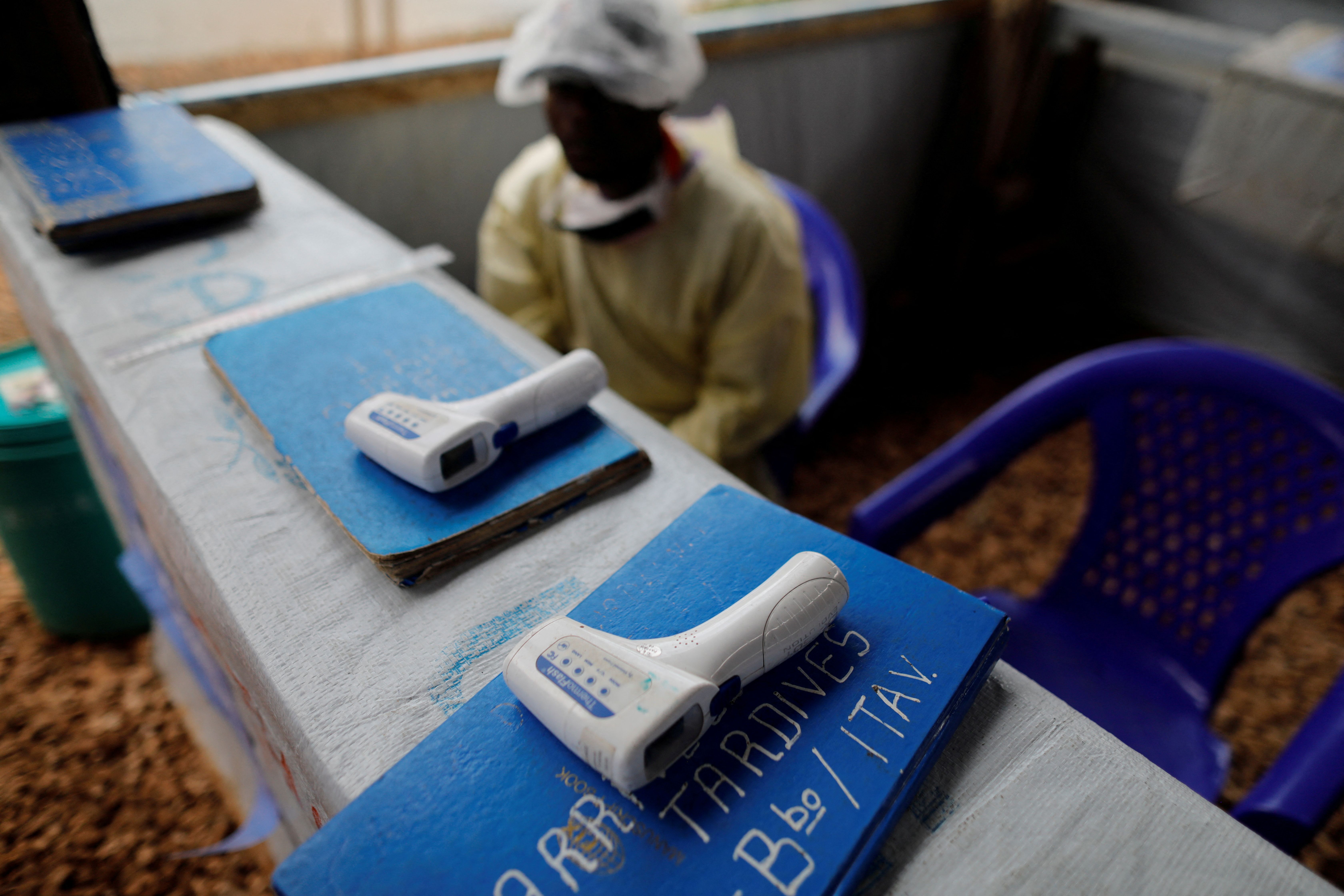
The designation of a PHEIC serves as a mechanism to galvanize international resource mobilization, surveillance, and synchronized policy-making, rather than a precursor to border closures.