)
Outgoing Interim Leader Highlights Connectivity, China Ties, and US Trade Hopes
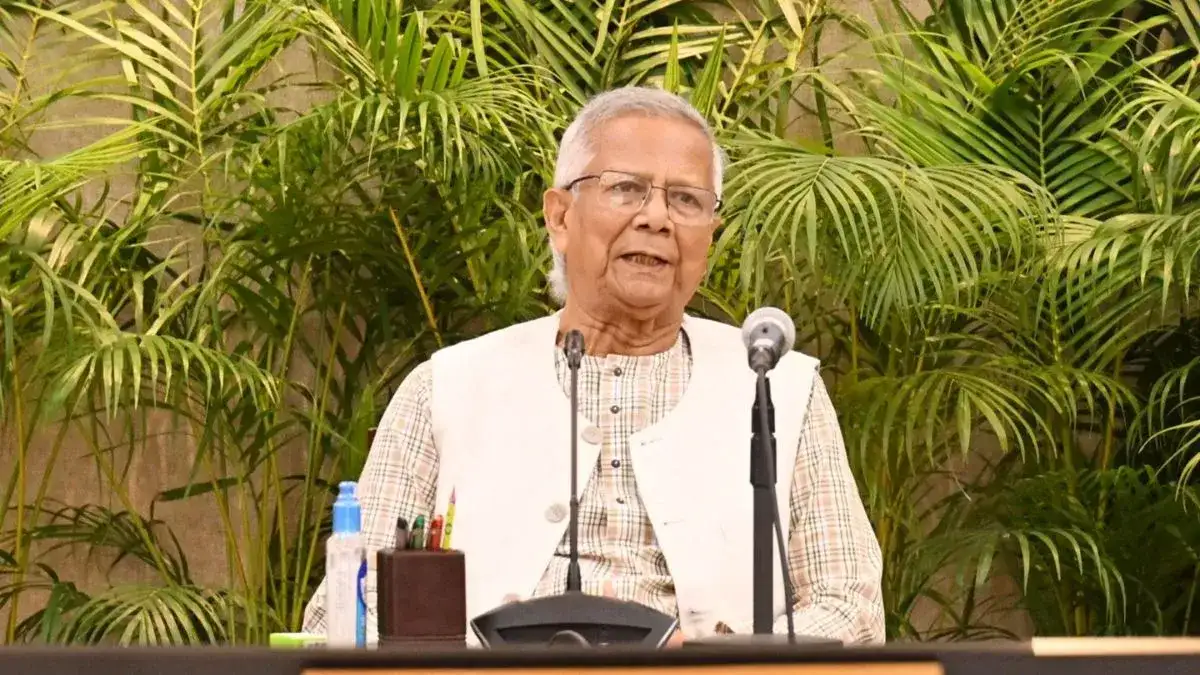
Muhammad Yunus, the outgoing interim chief of Bangladesh, delivered a farewell address that has drawn attention for its references to regional economic connectivity, particularly concerning India's northeastern states, often termed the "Seven Sisters." His speech, delivered as Bangladesh transitions to a new government led by Tarique Rahman of the BNP, also touched upon strengthening ties with China and aspirations for trade with the United States. The remarks, made in the context of Yunus facing domestic criticism, have been interpreted by some as a signal of Bangladesh's evolving foreign policy approach, potentially creating diplomatic ripples with neighboring India.

Context of Yunus's Departure and Speech
The interim government, headed by Nobel laureate Muhammad Yunus, concluded its tenure following a significant election victory by the Bangladesh Nationalist Party (BNP). This transition marks a shift in Bangladesh's political landscape. Yunus's final speech was delivered during this period of change, allowing him to reflect on key issues and outline a vision for regional engagement. His tenure has been characterized by observations of a cooling in relations with India, with New Delhi reportedly raising concerns about the treatment of minorities, especially Hindus, in Bangladesh.
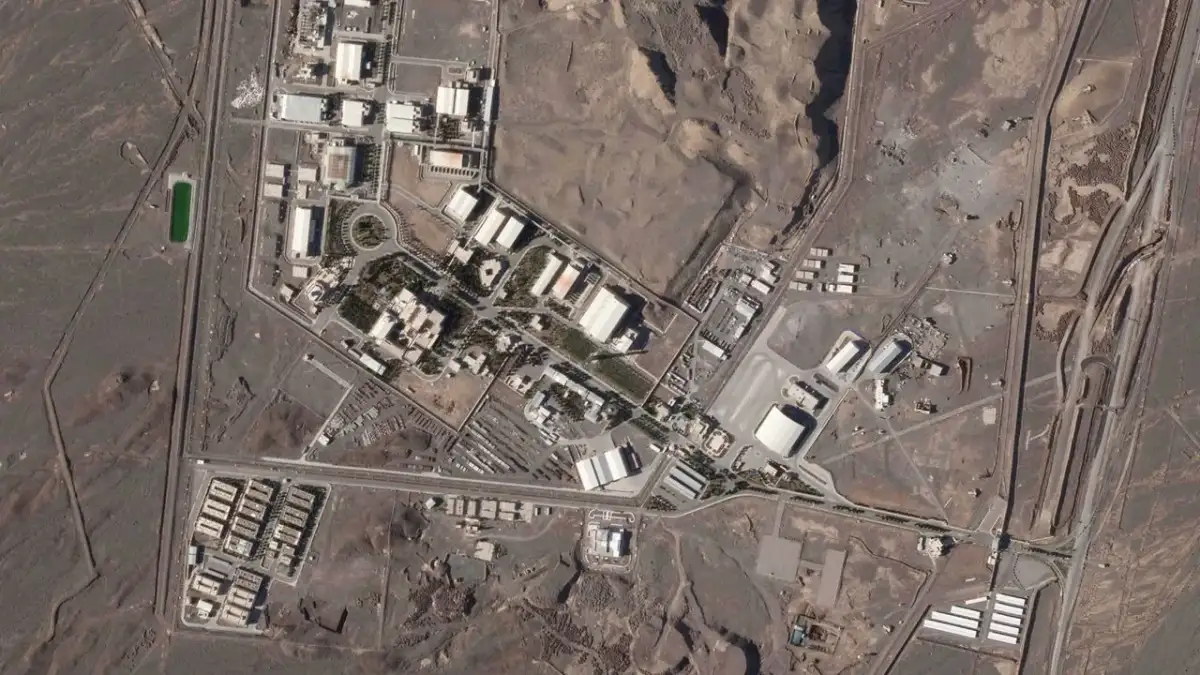
Read More: Iran Zagros Mountain Nuclear Site Construction Update April 2026

The speech also comes at a time when Bangladesh is navigating its relationships with major global powers. Yunus's mention of potential trade agreements with the United States and his recent meeting with China's President Xi Jinping underscore these broader geopolitical considerations. The Rohingya refugee crisis was also highlighted, indicating its continued significance on the foreign policy agenda.
Evidence of Yunus's References
Multiple reports detail the specific elements of Yunus's farewell address:

Regional Connectivity: Yunus proposed a sub-regional economic vision that included Bangladesh's maritime access, Nepal, Bhutan, and India's northeastern states.
He stated: "This region along with Nepal, Bhutan and the Seven Sisters has great economic potential." (Article 6)
He also noted: "Our open seas are not just borders - they are gateways to the global economy." (Article 5)
Indirect Reference to India: While discussing the "Seven Sisters," direct mention of India was notably absent.
He referred to the "Seven Sisters" without directly naming India. (Article 4)
This indirect approach is seen as a calculated move to redefine the region's economic identity. (Article 10)
China and US Relations: The speech acknowledged growing ties with China and hopes for trade with the US.
Progress on Chinese-supported projects, including those near India's strategic Siliguri corridor, was cited. (Article 2)
Hopes for a potential US trade agreement were also expressed. (Article 1)
Domestic Pressures: The timing and content of the speech have been linked to mounting criticism Yunus faced at home regarding democratic normalcy and minority protection. (Article 2, Article 3)
The "Seven Sisters" and Regional Economic Vision
Yunus's framing of a sub-regional economic vision centered around Bangladesh's ports and maritime access is a recurring theme in the reports. This approach implicitly positions Bangladesh as a gateway for landlocked neighbors, including India's northeastern region.
Potential Economic Benefits: Yunus suggested that Bangladesh could offer significant economic potential for the "Seven Sisters," Nepal, and Bhutan, highlighting open seas as pathways to the global economy. (Article 5, Article 7)
Blurring Political Lines: By combining India's northeastern states with sovereign neighbors like Nepal and Bhutan within a single economic framework, Yunus's statements have been seen by some as blurring political boundaries. This formulation may be intended to assert Bangladesh's strategic choices in regional connectivity, independent of Indian planning. (Article 2, Article 3)
Interpretations of Yunus's Intentions
The motivations behind Yunus's specific references in his farewell speech are subject to varied interpretations.
Assertion of Sovereignty: Some sources suggest Yunus used the speech to project defiance and assert Bangladesh's regained sovereignty in foreign policy. (Article 2, Article 9) This perspective views the speech as a signal that Bangladesh would no longer solely prioritize Indian security sensitivities. (Article 2)
Provocation and Diplomatic Signaling: The indirect but pointed references to India's northeastern states, especially when coupled with progress on Chinese-backed projects, are seen by some analysts as potentially provocative to New Delhi. (Article 1, Article 2) This could be interpreted as an attempt to recalibrate regional dynamics.
Domestic Political Strategy: The speech's content has also been analyzed for its domestic implications, suggesting a calculated effort to address local audiences amidst criticism. (Article 3, Article 10)
Implications for India-Bangladesh Relations
Yunus's farewell address introduces a complex layer to the ongoing India-Bangladesh relationship, particularly given the recent downturn in ties.
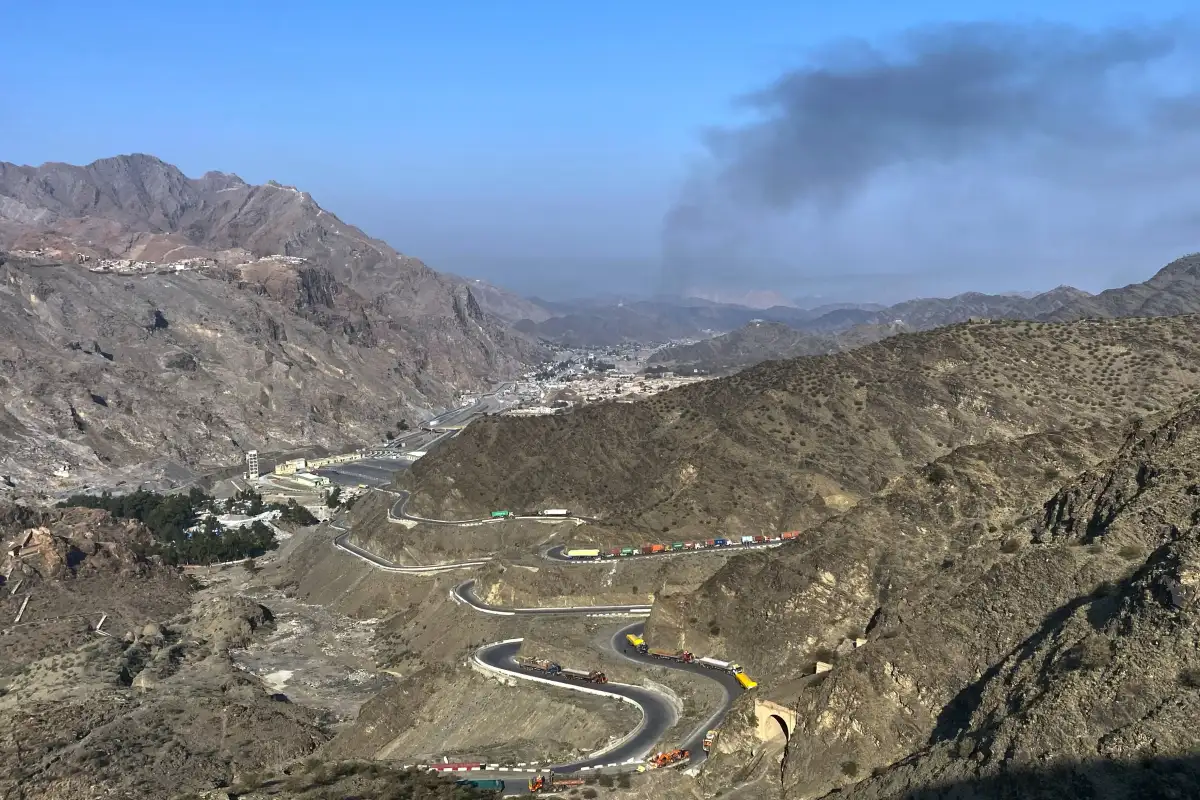
Read More: US supports Pakistan border strikes against Taliban as of April 2026
Strained Relations: India has reportedly expressed concerns over attacks on minorities in Bangladesh during Yunus's tenure. (Article 4, Article 6, Article 9) This has contributed to political tensions that analysts suggest have affected economic ties. (Article 6)
Regional Economic Balance: The emphasis on regional connectivity, with Bangladesh at its center, could lead to discussions about a shifting economic balance in the region. India's historical view of its northeastern region and its strategic corridors suggests a keen interest in such developments.
Future Engagement: The incoming BNP government will need to navigate these regional dynamics, balancing its foreign policy aspirations with the established relationships in South Asia. Yunus's remarks may provide a point of reference for future discussions on sub-regional economic cooperation.
Conclusion
Muhammad Yunus's farewell speech highlighted key foreign policy considerations, including regional connectivity with India's northeastern states, strengthening ties with China, and fostering trade with the United States. The indirect but deliberate references to the "Seven Sisters" alongside Nepal and Bhutan, without naming India, have generated diplomatic discussion. These remarks, made amidst a backdrop of domestic pressures and a recent cooling of India-Bangladesh relations, can be seen as an assertion of Bangladesh's evolving foreign policy and a signal of its ambition for greater regional economic engagement. The long-term implications of these statements for sub-regional cooperation and bilateral relations will likely unfold as the new Bangladesh government assumes its responsibilities.
Sources Used:
Zeenews.india.com: Provides an overview of Yunus's exit speech, emphasizing US trade hopes, the Rohingya crisis, China ties, and indirect references to India's "Seven Sisters."🔗 https://zeenews.india.com/world/yunus-highlights-china-ties-indias-7-sisters-and-us-trade-in-exit-speech-3017706.html
NDTV.com: Focuses on Yunus's "defiant" tone, bringing up China and India's "Seven Sisters" amidst domestic criticism. It highlights his assertion of regained sovereignty and progress on Chinese projects.🔗 https://www.ndtv.com/world-news/bangladesh-news-under-fire-at-home-muhammad-yunus-rakes-up-china-indias-7-sisters-in-exit-speech-11013039
News.abplive.com: Reports on Yunus presenting a regional economic vision involving Bangladesh, Nepal, Bhutan, and India's Northeast, triggering diplomatic debate.🔗 https://news.abplive.com/news/world/bangladesh-yunus-invokes-india-seven-sisters-china-in-farewell-address-amid-mounting-pressure-at-home-1827426
Thedailyjagran.com: Mentions Yunus sparking controversy with "Seven Sisters" remarks, focusing on China ties and omitting direct reference to India. It also notes his silence on minority attacks.🔗 https://www.thedailyjagran.com/world/muhammad-yunus-mentions-india-seven-sisters-in-farewell-speech-focuses-china-10299126
Indiatoday.in: States that Yunus "needles India again" with the "Seven Sisters" remark, linking it to his past references during a visit to China and suggesting it will "rankle New Delhi."🔗 https://www.indiatoday.in/world/story/bangladesh-muhammad-yunus-india-northeast-seven-sisters-china-farewell-speech-2869407-2026-02-17
Hindustantimes.com: Highlights Yunus's "farewell note" on India's "7 sisters" for the new government, outlining a sub-regional economic vision likely to draw attention in New Delhi amid strained ties.🔗 https://www.hindustantimes.com/india-news/in-farewell-note-muhammad-yunus-leaves-message-on-indias-7-sisters-for-new-bangladesh-tarique-rahman-govt-101771299855902.html
Timesnownews.com: Characterizes Yunus's exit speech as "defiant," using the "Seven Sisters" remark to highlight economic potential for Bangladesh, particularly for landlocked regions.🔗 https://www.timesnownews.com/india/muhammad-yunus-strikes-defiant-note-in-exit-speech-rakes-up-seven-sisters-as-economic-potential-for-bangladesh-article-153625871
Moneycontrol.com: Reports on Yunus highlighting northeastern India, Nepal, and Bhutan in his farewell speech ahead of the Bangladesh government change.🔗 https://www.moneycontrol.com/world/seven-sisters-mentioned-yunus-highlights-northeastern-india-nepal-bhutan-ahead-of-bangladesh-govt-change-article-13831254.html
Rediff.com: Details Yunus asserting Bangladesh's restored sovereignty and national interests, noting the downturn in Bangladesh-India relations during his tenure.🔗 https://www.rediff.com/news/report/yunus-rakes-up-indias-seven-sisters-in-farewell-speech/20260217.htm
News18.com: Frames Yunus's remarks as a deliberate omission of India's name while referring to the "Seven Sisters" and proposing a sub-regional economic framework, viewed as a calculated move to redefine regional identity.🔗 https://www.news18.com/world/yunus-bangladesh-seven-sisters-nepal-bhutan-omitting-india-new-govt-formation-ws-l-9908325.html