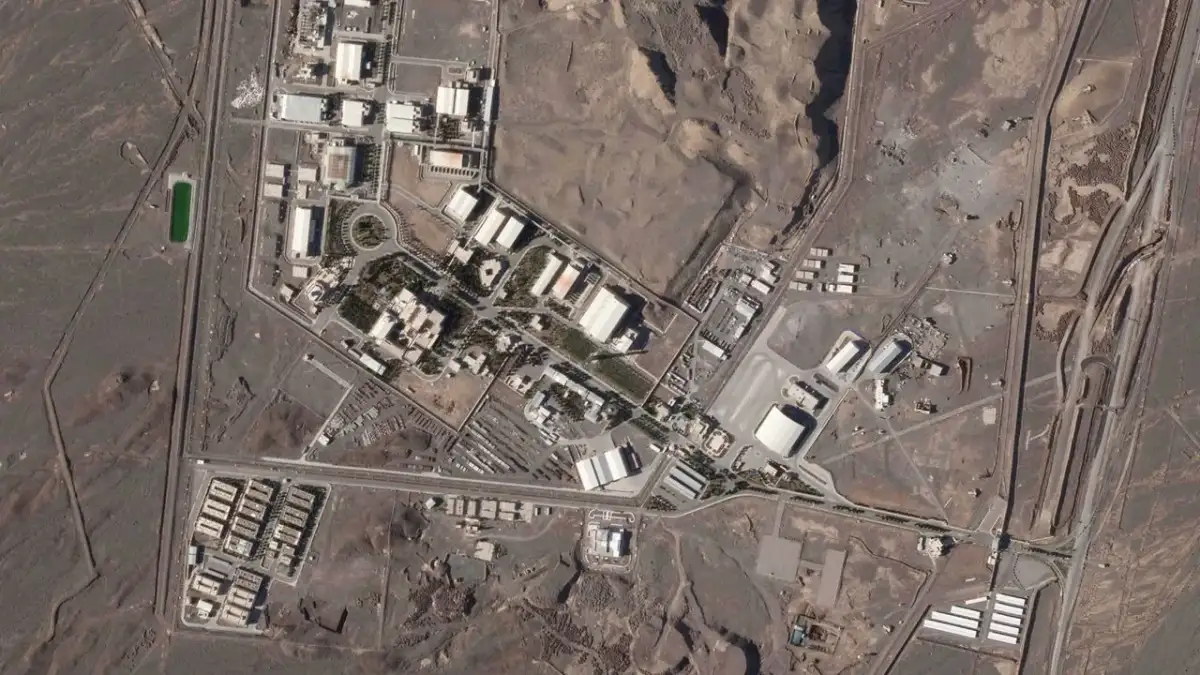
Nuclear Discussions and Declarations Under Strain
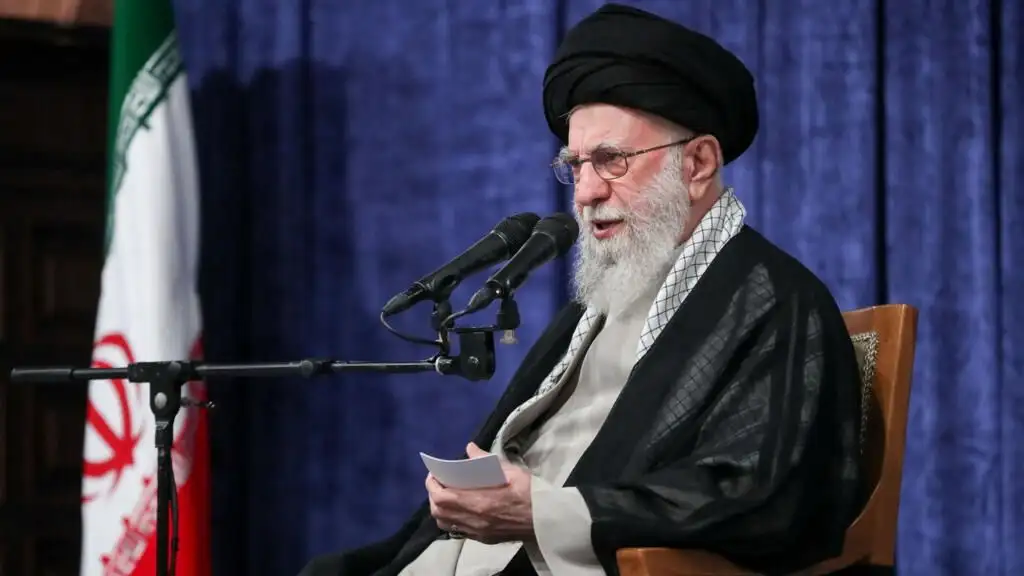
Ayatollah Ali Khamenei, Iran's Supreme Leader, has voiced strong defiance against the United States, stating that Washington "will not succeed" in overthrowing the Islamic Republic. These remarks coincide with ongoing indirect nuclear talks between Iran and the US in Geneva. The statements highlight a significant divide, with Iran maintaining its right to enrich uranium for peaceful purposes while facing pressure for sanctions relief and limits on its nuclear program.
Nuclear Talks Begin Amidst Rhetoric
Indirect nuclear negotiations between the United States and Iran commenced in Geneva. This follows a meeting between Iran's Foreign Minister and IAEA chief Rafael Grossi in the same city. US Secretary of State Marco Rubio, speaking with Hungary’s Prime Minister Viktor Orban, indicated that reaching an agreement with Iran would be challenging.
Iran has signaled a degree of flexibility in the talks, expressing readiness to discuss steps regarding its enriched uranium stockpile in return for sanctions relief. However, Iran has explicitly ruled out any discussion of zero enrichment. Meanwhile, the US has deployed the USS Gerald R. The specific details and timing of the USS Gerald R.'s deployment in relation to the talks remain unconfirmed in the provided data.
Read More: Iran Zagros Mountain Nuclear Site Construction Update April 2026
Khamenei's Assertions of Resilience
In a speech, Khamenei directly addressed the US, referencing remarks attributed to US President Donald Trump. Khamenei stated, "In one of his recent speeches, the US president said that for 47 years America has not succeeded in destroying the Islamic republic… I tell you: you will not succeed either." He further warned that even the most powerful military could face significant setbacks.

"I tell you: you will not succeed either." - Ayatollah Ali Khamenei
Iran's Stance on Uranium Enrichment
Iran maintains that its right to enrich uranium is protected under the United Nations’ Nuclear Non-Proliferation Treaty (NPT), and it insists it will not relinquish this right under any circumstances. While US President Donald Trump has previously threatened military action if a nuclear deal isn't reached, his statements on Iran's right to enrich uranium have varied. Reports indicate that Iran and the US held previous rounds of talks in Oman. Iranian Foreign Minister Abbas Araghchi confirmed that Iran had been offered a date for further discussions but had not yet agreed to it.
Read More: 40 Die in Quetta to Peshawar Bus Crash in Balochistan on April 3 2026
Rejection of Direct Negotiations
On multiple occasions, Khamenei has categorically rejected the idea of direct negotiations with the United States regarding Iran's nuclear program. He has characterized such proposals as "imposition" rather than genuine negotiation.

"It’s not a negotiation but an imposition." - Ayatollah Ali Khamenei (reported by Al Jazeera)
Khamenei emphasized that his remarks were specifically directed at the United States, not European nations. European countries have reportedly expressed willingness to extend deadlines for negotiations if Iran engages in direct talks with the US, grants UN nuclear inspectors access to its sites, and provides an accounting for its enriched uranium.
Conflicting Narratives on Nuclear Intentions
Iran has consistently denied pursuing nuclear weapons, asserting its right to develop nuclear energy for peaceful means. Conversely, European states and the US contend that Iran is developing nuclear weapons. These tensions were exacerbated following a military engagement involving Israeli and US forces, which reportedly struck Iranian nuclear facilities. The provided data suggests this event occurred in June, leading Iran to suspend nuclear negotiations with the US.
Read More: Ayatollah Ali Khamenei Funeral Schedule in Iran and Iraq April 2026
"Iran has repeatedly denied pursuing nuclear weapons, but affirmed its right to peacefully pursue nuclear energy." - Extracted from Al Jazeera report.
Expert Perspectives on Stalled Diplomacy
Analysts suggest that Khamenei's firm stance effectively closes off potential avenues for averting the reimposition of UN sanctions on Tehran. The Supreme Leader's rhetoric indicates a refusal to "surrender to pressure." His pronouncements have been made against the backdrop of global leaders gathering for the United Nations General Assembly (UNGA).
"He repeated Tehran’s long-standing position that it does not seek nuclear weapons." - Extracted from WION report.
Findings and Implications
The nuclear talks between Iran and the US are taking place under a cloud of strong rhetoric from Iran's Supreme Leader. Ayatollah Ali Khamenei has presented a clear opposition to direct negotiations with the US and reaffirmed Iran's nuclear doctrine, which includes the right to enrich uranium. While Iran signals a willingness to discuss its enriched uranium stockpile for sanctions relief, the fundamental disagreement over enrichment rights and the rejection of direct talks create significant hurdles. The ongoing exchange highlights a complex geopolitical situation where diplomatic discussions are interwoven with declarations of national resolve and defiance. The implications of these divergent positions on the future of Iran's nuclear program and international sanctions remain a critical point of observation.
Read More: Khamenei Funeral Starts July 4, Burial July 9 in Mashhad
Iran's core position: The right to enrich uranium under the NPT is non-negotiable.
US stance: Requires limitations on Iran's nuclear program in exchange for sanctions relief.
Khamenei's approach: Rejection of direct talks, emphasis on resisting external pressure.
Sources:
Iran International: Live updates on the Geneva nuclear talks, including statements from Khamenei and observations on the negotiation dynamics.https://www.iranintl.com/en/liveblog/202602154712
Insider Paper: Reports Khamenei's direct address to the US regarding its inability to overthrow the Islamic Republic, timed with the start of the Geneva talks.https://insiderpaper.com/khamenei-says-us-will-not-succeed-in-destroying-iran-as-nuclear-talks-start/
CNN: Details Khamenei's skepticism about the success of US-Iran talks and Iran's insistence on its right to enrich uranium under the NPT. It also mentions past rounds of talks and potential future dates.https://www.cnn.com/2025/05/20/middleeast/iran-supreme-leader-talks-us-conclusion-unlikely-intl
Al Jazeera: Focuses on Khamenei's rejection of talks with the US, framing it as "imposition" and reaffirming Iran's nuclear doctrine while facing potential sanctions.https://www.aljazeera.com/news/2025/9/23/khamenei-rules-out-talks-with-us-over-nuclear-programme-as-sanctions-loom
France 24: Reports on Khamenei's dismissal of direct talks with the US over the nuclear program, seen as a move that could avert UN sanctions, while clarifying his comments did not apply to Europe.https://www.france24.com/en/asia-pacific/20250923-iran-khamenei-dismisses-direct-talks-with-us-over-nuclear-program
WION: Highlights Khamenei's rejection of talks, stating Iran will not "surrender to pressure," and reiterates Tehran's position on not seeking nuclear weapons.https://www.wionews.com/world/-sheer-dead-end-khamenei-rejects-talks-with-us-over-nuclear-program-says-will-not-surrender-to-pressure-1758686253476
The Jerusalem Post: Covers Khamenei's defiance against US pressure on nuclear talks, noting that Iran is only interested in developing nuclear power, as stated after agreeing to resume talks with European powers.https://www.jpost.com/middle-east/iran-news/article-865163