Researchers have found a way to understand how people might react to pictures used in conservation campaigns before those campaigns even begin.
A recent study, published in Frontiers in Human Neuroscience, explored how the brain responds to images of nature versus images of cities. By measuring brain activity, scientists discovered that seeing nature scenes makes the brain more attentive. This finding has important implications for conservation groups trying to get people to care about wildlife. Understanding how images affect our brains can help make conservation messages more effective and potentially lead to greater support for protecting nature.
Study Details and Findings
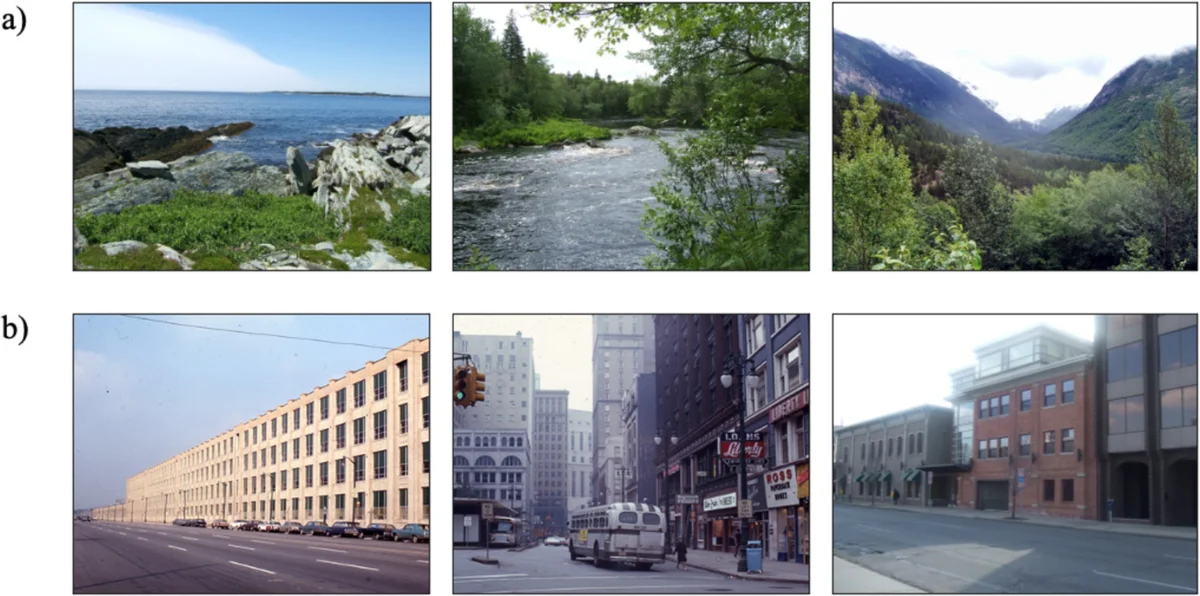
The research involved participants looking at two types of pictures for about ten minutes: scenes from nature and scenes from urban areas. While they viewed these images, their brain activity was recorded using electroencephalography (EEG).
Read More: Scientists Show Earth is Round, Not Flat
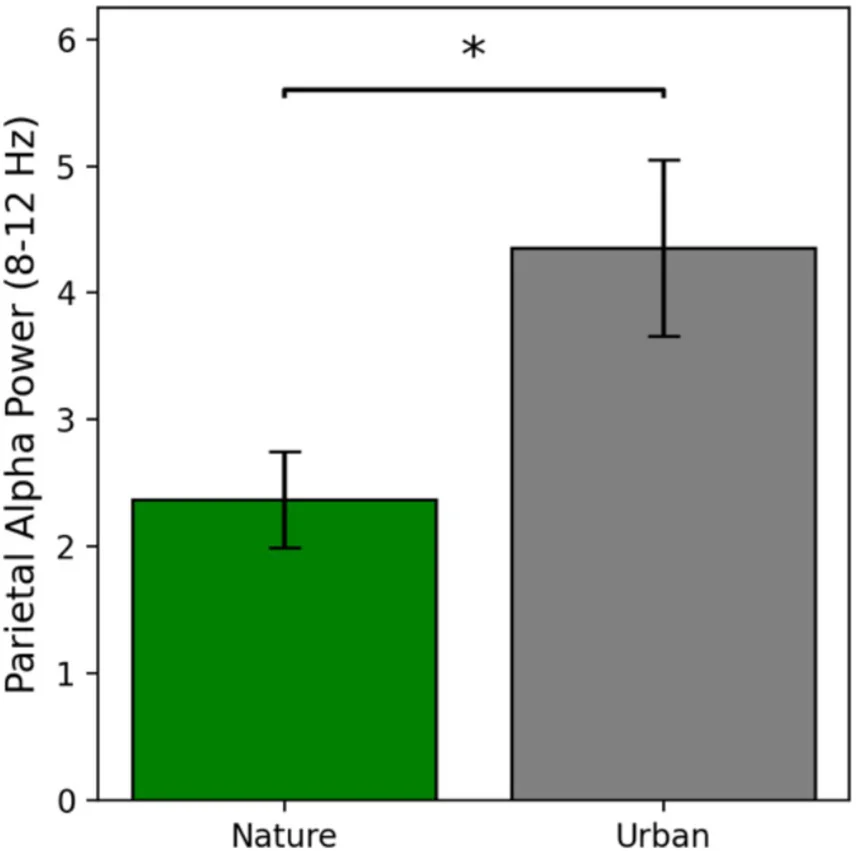
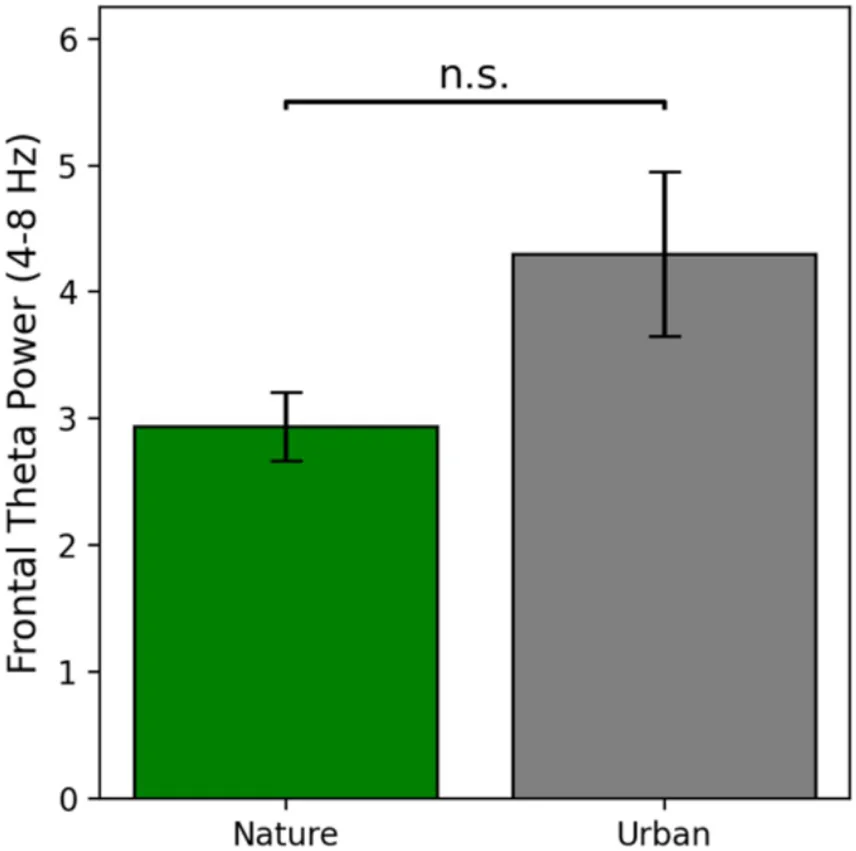
Nature vs. Urban Scenes: The study found that when people looked at images of nature, a specific type of brain wave activity, called parietal alpha power, was lower. This suggests that nature images are more attention-grabbing and hold our interest more than urban images.
Brain Wave Patterns: The average parietal alpha power when viewing nature images was 2.37 (with a standard error of 0.38). In contrast, when viewing urban images, the average was 4.36 (with a standard error of 0.70). The lower number for nature scenes indicates a higher level of brain engagement.
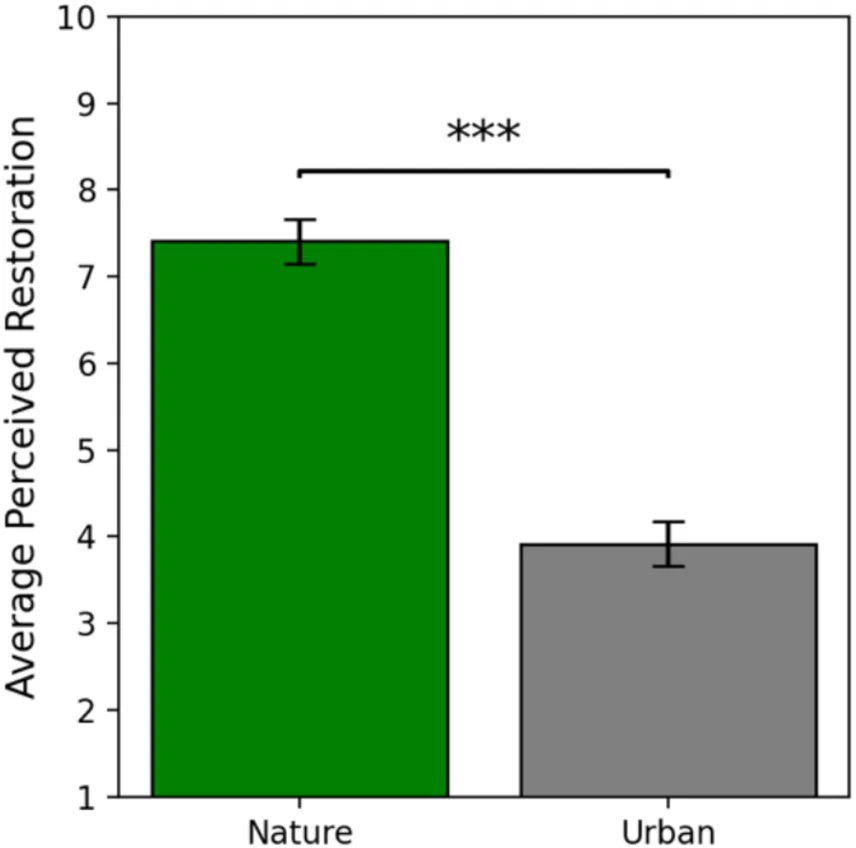
Feeling of Recovery: Participants also reported that nature images made them feel more restored and relaxed compared to urban images.
What This Means for Conservation
Conservation organizations often use powerful images to connect with the public and raise awareness about wildlife and environmental issues. This study offers a scientific way to gauge how well certain types of images might perform.
Read More: Court Says Santos Did Not Mislead Investors About Climate Goals
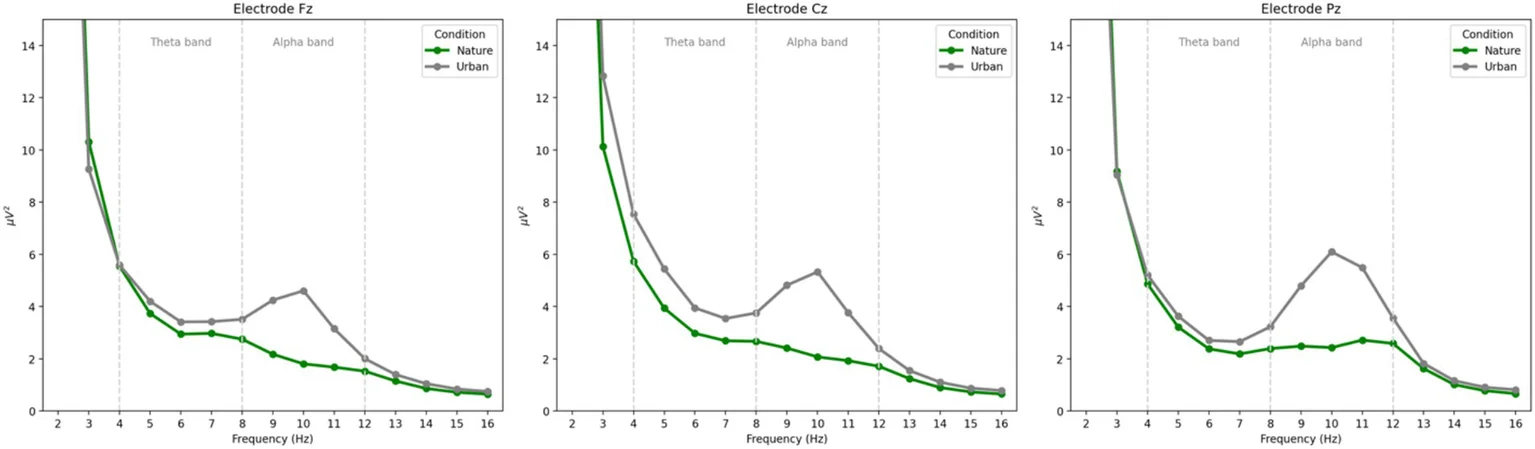
Predicting Engagement: By measuring brain responses like parietal alpha power, it might be possible to predict which images will capture people's attention the most. This could help conservationists choose the most impactful visuals for their campaigns.
Improving Messaging: If nature images are inherently more engaging and restorative, using them in conservation efforts could make messages about wildlife more persuasive. This could lead to more people becoming interested in and supportive of conservation goals.
Expert Insights
While not directly quoted in the provided summaries, the findings align with existing understanding of how nature impacts human psychology. Similar research has explored the restorative effects of nature on mental well-being. The idea that visual stimuli can elicit measurable brain responses that correlate with engagement is a fundamental concept in neuroscience and has been applied to fields ranging from advertising to education.
Conclusion
The research published in Frontiers in Human Neuroscience provides objective data suggesting that nature images are more visually captivating than urban ones, as evidenced by specific brain wave patterns. This discovery offers a valuable tool for conservation groups seeking to craft more effective communication strategies. By leveraging this understanding of brain responses, conservation efforts can potentially be amplified, leading to greater public engagement and support for protecting the natural world.
Read More: NASA Says Earth Will NOT Lose Gravity on August 12
Sources Used:
Frontiers | Nature images are more visually engaging than urban images: evidence from neural oscillations in the brain
Published: May 29, 2025
Link: https://www.frontiersin.org/journals/human-neuroscience/articles/10.3389/fnhum.2025.1575102/full
Context: This is the primary research article detailing the study on brain responses to nature versus urban images.