A Conditional Presence
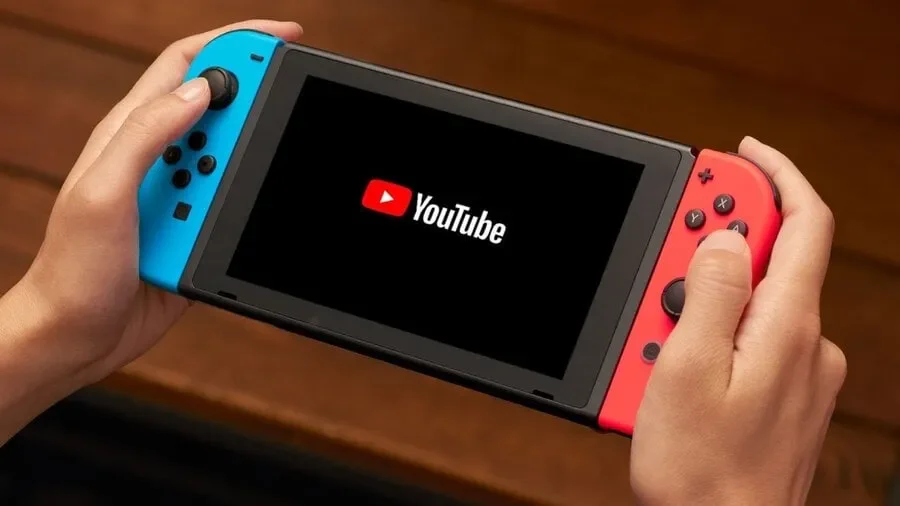
The Nintendo Switch 2 console, upon its release, lacks a native YouTube application. Official communications from YouTube, specifically via their 'Team YouTube' X account, have indicated that a dedicated app is "coming soon," suggesting ongoing development in partnership with Nintendo. This confirmation follows a period where the existing YouTube app for the original Nintendo Switch was found to be incompatible with the new hardware.

Users attempting to access YouTube on the Switch 2 are met with notices stating the software cannot initiate.
This situation mirrors the delayed launch of the YouTube app for the original Nintendo Switch, which arrived over a year after that console's debut.
While details remain sparse, the prospect of a Switch 2 version raises expectations for enhanced features, such as potential 4K video and HDR output, leveraging the console's upgraded specifications.
The absence of YouTube is not isolated, with several other third-party applications also reportedly facing compatibility issues on the Switch 2 at launch.
A Pattern of Staggered Support
The situation echoes the rollout of services on previous Nintendo hardware. The original Nintendo Switch did not feature a YouTube app at its launch in March 2017. It wasn't until November 2018 that a dedicated application became available. This historical precedent suggests a deliberate, albeit sometimes protracted, strategy from Nintendo and its partners in integrating multimedia services with their gaming consoles. The current delay on the Switch 2 therefore, may be less an oversight and more a characteristic pattern of how these platforms evolve beyond their core gaming functions.
Read More: Steam Controller Files Released April 27, 2026 As Steam Machine Faces Delays
Background:
The Nintendo Switch 2, the successor to the highly successful hybrid console, has generated considerable anticipation. Its arrival was accompanied by a landscape of both familiar and nascent features. While backward compatibility with many Switch games was expected and largely delivered, the integration of essential multimedia applications like YouTube proved to be a more gradual process. This underscores a common dynamic in the gaming industry: the interplay between hardware capabilities, software development timelines, and the establishment of content ecosystems. The prolonged anticipation for YouTube on the Switch 2 highlights the complex negotiations and technical groundwork required to bring such popular third-party services to new gaming platforms, especially when existing solutions are not directly transferable.