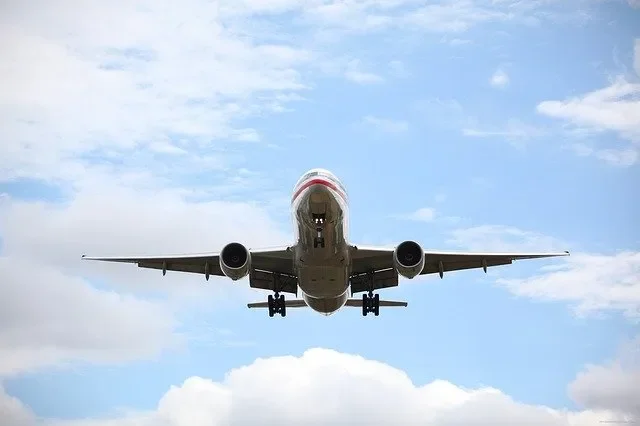
Global carriers have axed over 13,000 flights in May, shedding an estimated two million seats from schedules. This drastic measure is a direct response to soaring jet fuel prices, which have more than doubled since late February. The escalating costs are primarily linked to disruptions in oil flow through the Strait of Hormuz, a vital artery for global oil supply.
The cancellations, amounting to approximately 13,000 flights globally for May, represent a significant capacity reduction across the aviation industry. This signals a turbulent period for air travel, particularly with the looming half-term holiday.
Several major airlines have already implemented significant schedule reductions. Lufthansa plans to cut around 20,000 flights between May and October, while Air China has removed nearly 500,000 seats, including domestic services. European carriers like Air France-KLM and SAS have also trimmed their summer schedules.
Read More: Fresno Airport $85 Million Funding Boost Improves Travel in April 2026
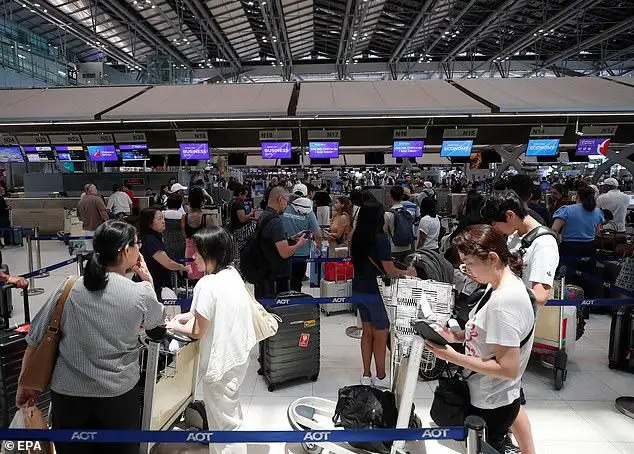
Airlines are navigating this crisis by making strategic adjustments to their operations. Beyond outright cancellations, many are employing smaller aircraft on key routes and consolidating passengers onto fewer planes. This allows them to maintain essential services while attempting to control costs and mitigate penalties for losing valuable take-off and landing slots at busy airports. The disruption is more acutely felt on less profitable routes, with airlines prioritizing high-demand corridors where ticket prices have consequently surged.
The UK's Vulnerability
The United Kingdom appears particularly exposed to potential jet fuel shortages. Analysts at Goldman Sachs have flagged the UK as the most vulnerable European nation due to its status as a large net importer of jet fuel, coupled with low inventory levels and reduced domestic refining capacity. While some major UK-based short-haul airlines have hedged their fuel costs, mitigating immediate price impacts, the broader picture points to significant systemic risks. The UK government has initiated contingency plans, urging refineries to maximize jet fuel production and introducing temporary rules to allow for schedule consolidation, thereby enabling airlines to save fuel by operating fewer flights. However, requests from the industry for tax cuts or the relaxation of environmental and noise regulations have so far been resisted.
Read More: Why Global Banks Are Making More Money In May 2026
Background: A Perfect Storm
The current predicament for airlines is the result of a confluence of factors. The conflict in the Middle East has directly impacted oil supply routes, driving up the price of crude oil and, subsequently, jet fuel. This surge in operational costs comes at a critical time, as airlines traditionally rely on the summer season for a significant portion of their annual revenue. The delicate balance airlines must strike involves controlling expenditure without alienating customers or losing market share, a challenge amplified by the risk of further disruptions and potential future supply chain volatility.